Understanding T1, T2, and T3 Copper Grades
Copper grades aren’t just numbers. T1, T2, and T3 differ in purity and performance, influencing how products behave. Understanding them...
Blog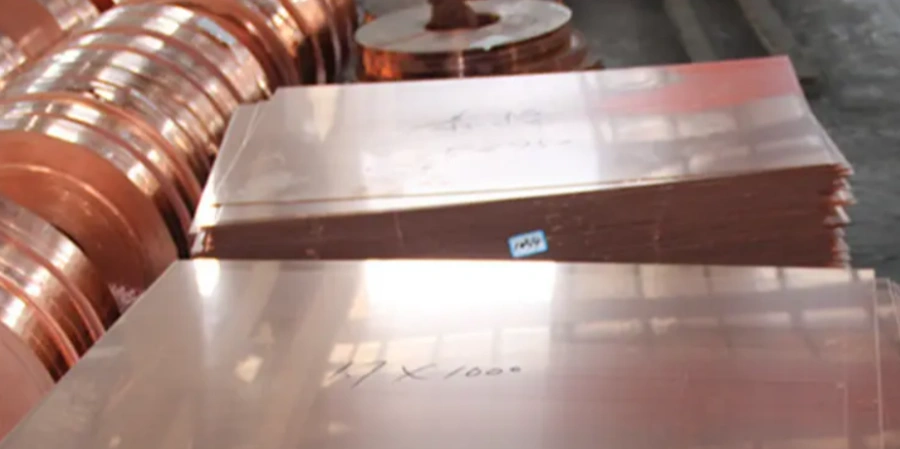

Copper grades aren’t just numbers. T1, T2, and T3 differ in purity and performance, influencing how products behave. Understanding them...
BlogRated current defines the safe, continuous load for any circuit breaker. Knowing it helps with proper sizing, avoiding overloads, and...
Blog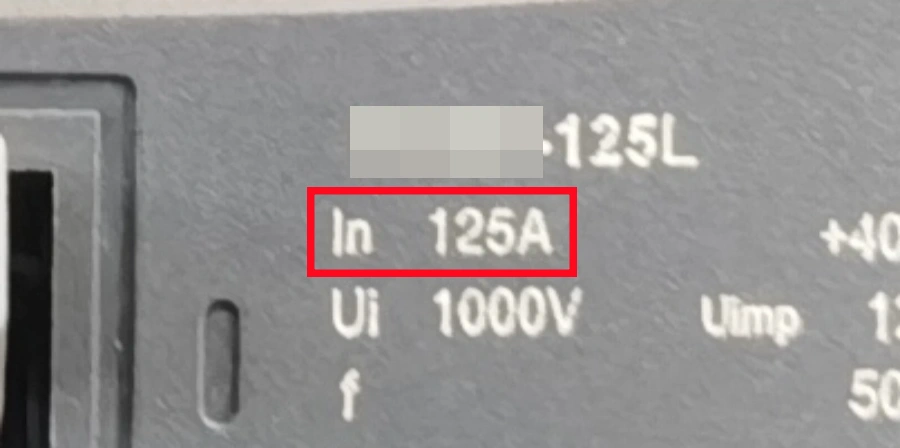
MCCB trip buttons provide a simple way to test a breaker’s mechanical reliability. Knowing how and when to use them...
Blog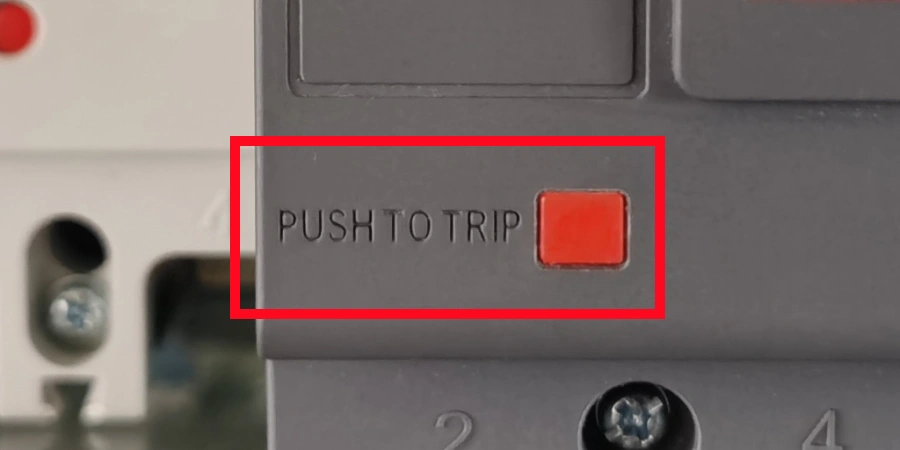
Selling circuit breakers in the EU means meeting RoHS requirements. From restricted substances to expiring exemptions, manufacturers must carefully manage...
Blog
RCDs have a small test button that many people overlook. A quick push lets you confirm the device is working,...
Blog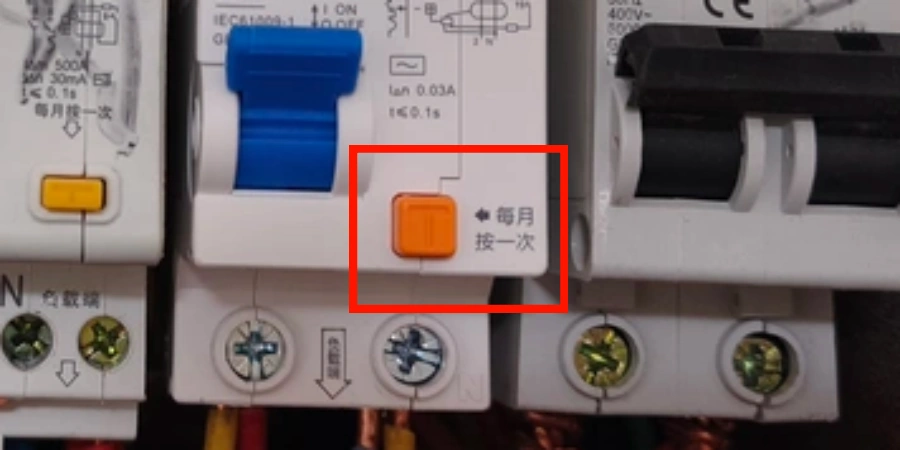
IEC compliance isn’t just a label—it’s a sign that a breaker is built to perform safely under real conditions, giving...
Blog
Behind the simple flip of a breaker handle lies unseen energy and risks. Awareness, proper positioning, and consistent safety habits...
Blog
CE certification affects more than just labels. Understanding the rules, standards, and responsibilities helps ensure circuit breakers are safe, compliant,...
Blog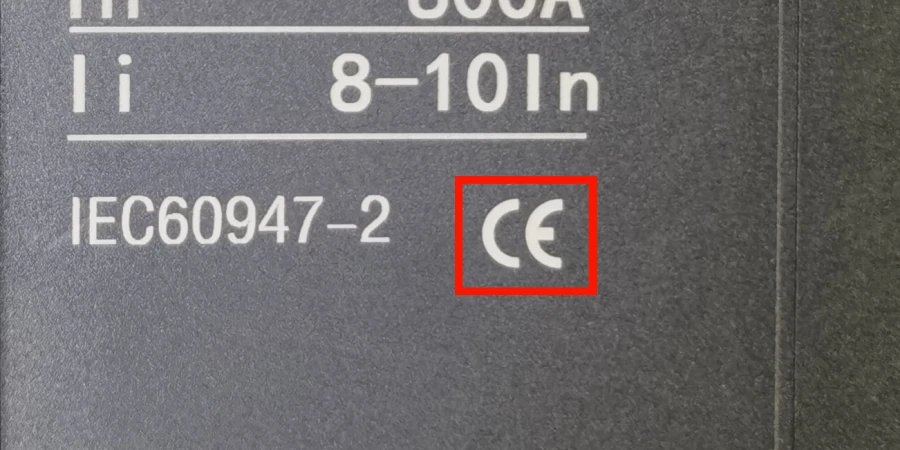
EN 60898-1 and IEC 60898-1 may look similar, but small differences affect compliance and documentation. Learning how they relate makes...
Blog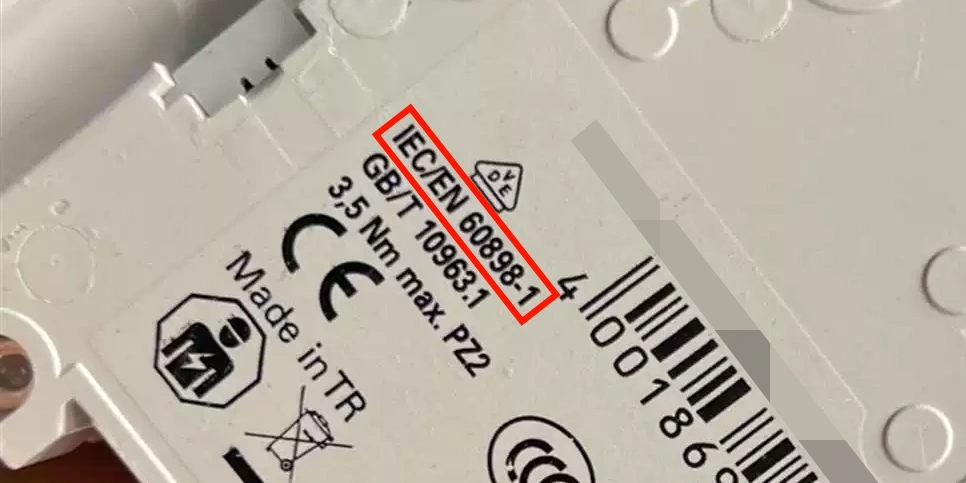
No more delays. We’re here to power your project with reliable circuit breakers and fast service.