
Miniature Circuit Breaker (MCB) Manufacturer in China
Safeguard your terminal electrical circuits with Sincede’s high-performance MCBs. Engineered for precision and safety, our MCBs provide reliable protection against overloads and short circuits in residential, commercial, and industrial power systems.
As a manufacturer-integrated group, we offer direct factory advantages: consistent quality control, moderate pricing, and a robust supply chain. From standard 6kA residential units to 10kA industrial-grade breakers and specialized 1200V DC solar protection, we provide the exact specifications your project demands.
Backed by global certifications, Sincede is more than a supplier—we are your technical partner. Explore our comprehensive range or contact our team for support!
- IEC 60898-1
- IEC 60947-2
- CE
- CB
- ISO
- RoHS
Miniature Circuit Breaker Wholesale
Select the optimized circuit protection for your specific application.
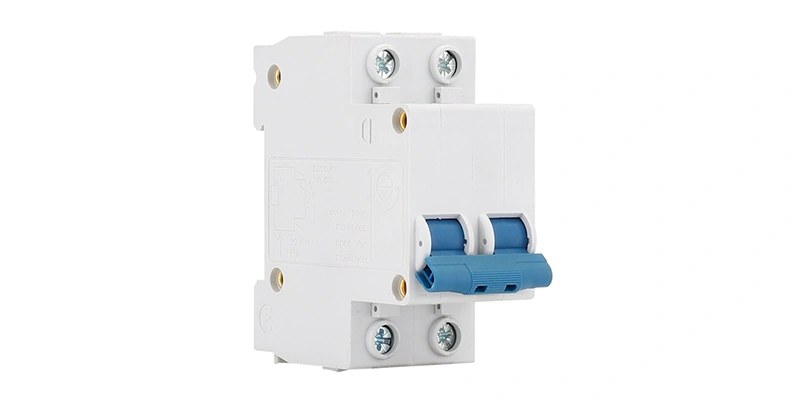
SC - 63 Series
Residential / CommercialBreaking Capacity: 4.5kA ~ 6kAApplication Guide: Optimized for household distribution boards and commercial lighting. Reliable protection for standard electrical systems.
- Rated Current: 1A – 63A
- Poles: 1P – 4P
- Curve: B, C, D
- Standard: IEC 60898-1
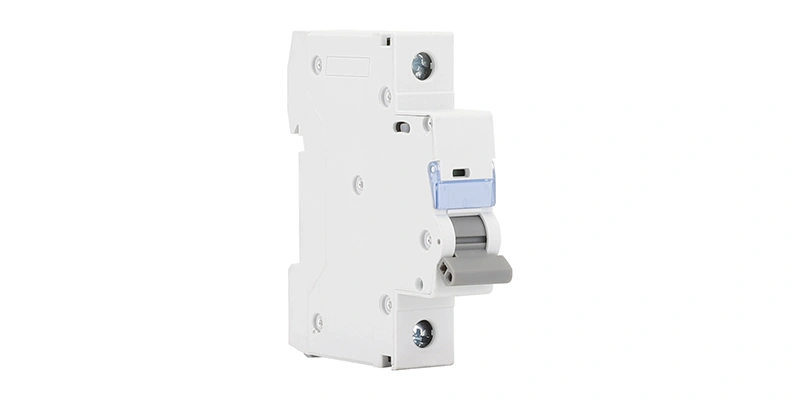
SC - 125 Series
Industrial / Heavy DutyBreaking Capacity: 6kA ~ 15kAApplication Guide: Engineered for industrial plants and heavy machinery. Features high-amp capacity for continuous operational stability.
- Rated Current: 63A – 125A
- Housing: V0 Flame Retardant
- Contact: 95% Silver Alloy
- Standard: IEC 60947-2
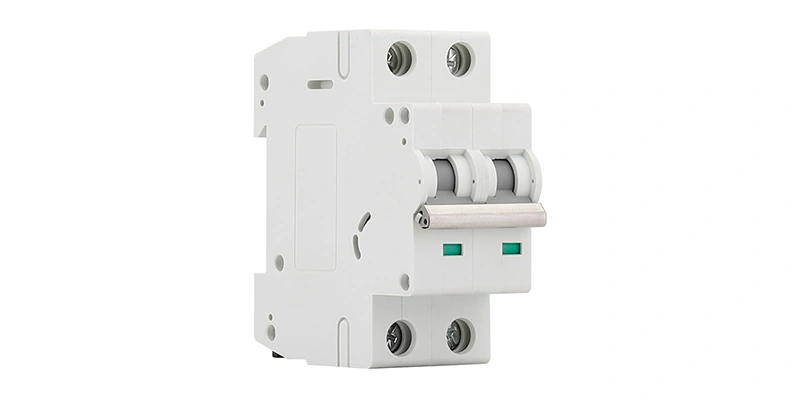
SC - PV Series
Photovoltaic / DC SystemMax Rated Voltage: DC 1200VApplication Guide: Designed for high-voltage DC circuits in solar combiners and inverters. Features non-polarized safety protection.
- Voltage: DC 500V – 1200V
- Polarity: Non-polarized
- Type: Magnetic Tripping
- Standard: IEC 60947-2
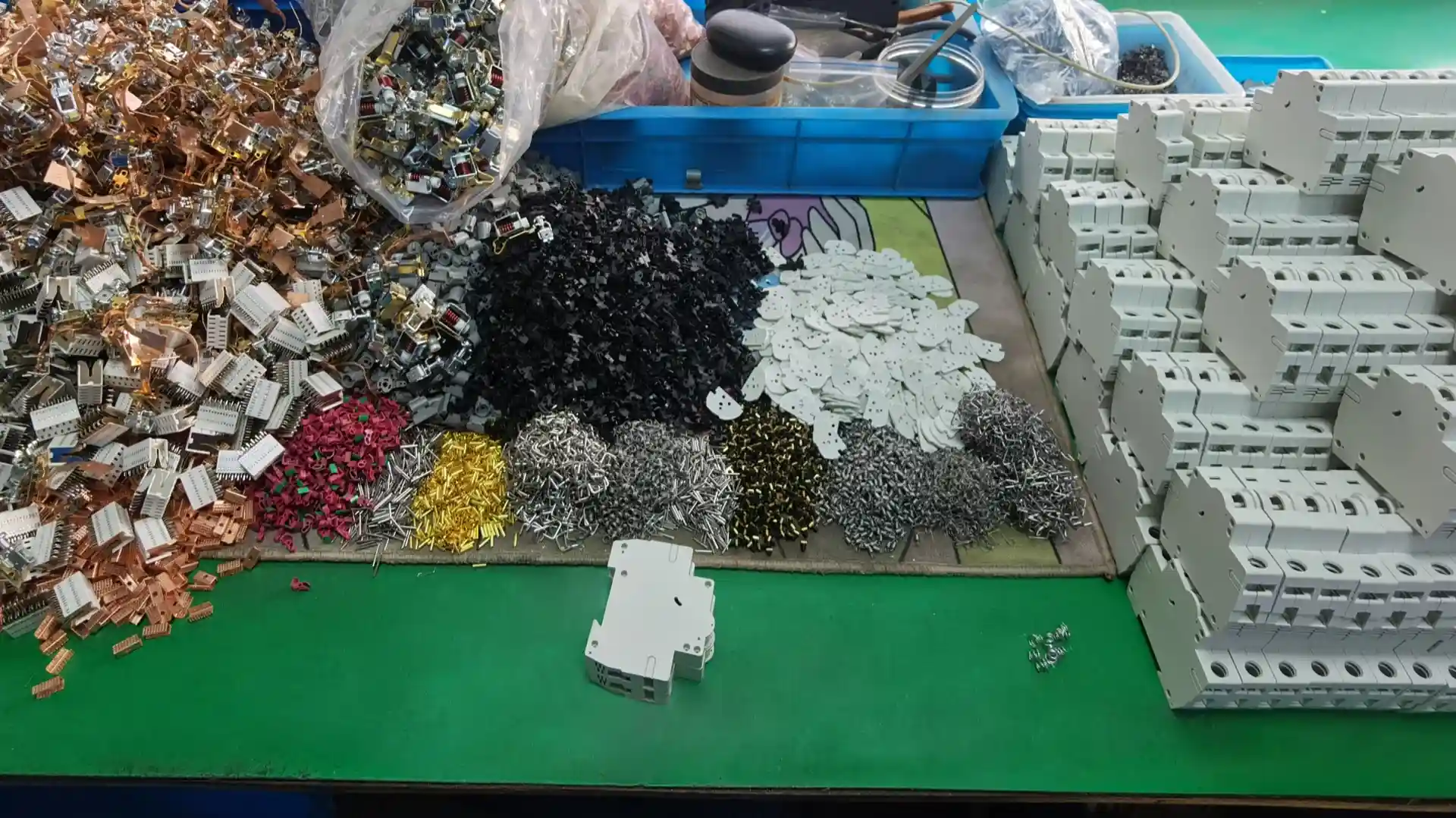
SKD & Local Manufacturing Support
Sincede empowers global distributors to establish their own manufacturing capabilities with proven technical support.
Precision Component Kits
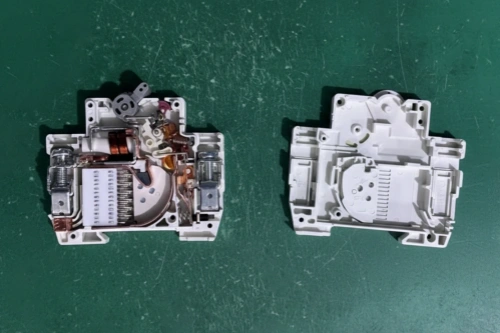
Supply of full-set internal components including silver alloy contacts and V0 flame-retardant housings. Identical to our own factory standards for stable local output.
Duty & Logistics Optimization
Compact packaging designed to significantly reduce import tariffs and sea freight costs for higher profit margins.
Test Equipment Sourcing
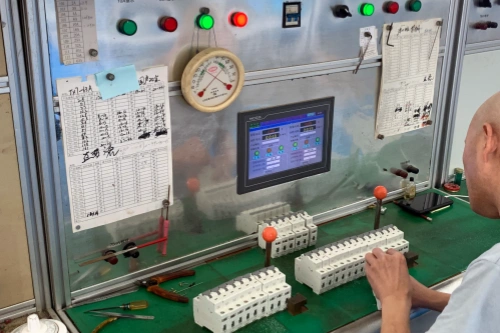
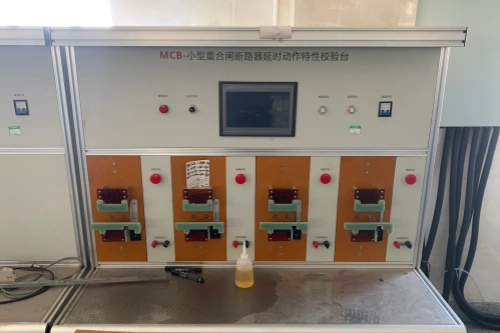
One-stop assistance in acquiring professional MCB manufacturing tools, including specialized thermal and magnetic calibration test benches.
Technical & Assembly Guidance
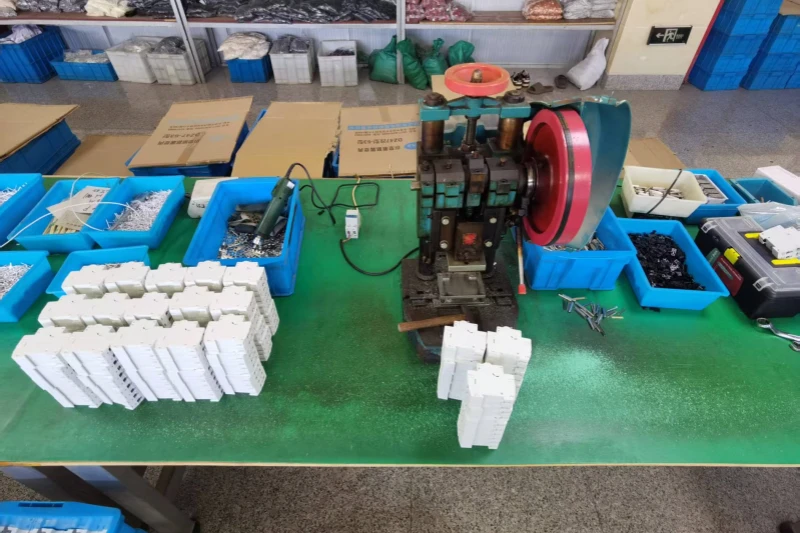
We don't just sell parts. Our team offers direct technical support and assembly guidance to help your staff master the local production process efficiently.
What Is an MCB?
An MCB, or Miniature Circuit Breaker, is a compact device designed to automatically protect electrical circuits from overloads and short circuits. Its lightweight plastic casing houses a sensitive trip mechanism that responds instantly to unsafe current levels.
MCBs are widely used in residential, commercial, and industrial panels for reliable circuit protection. With their simple installation, quick operation, and consistent performance, they help prevent equipment damage and enhance overall electrical system safety.
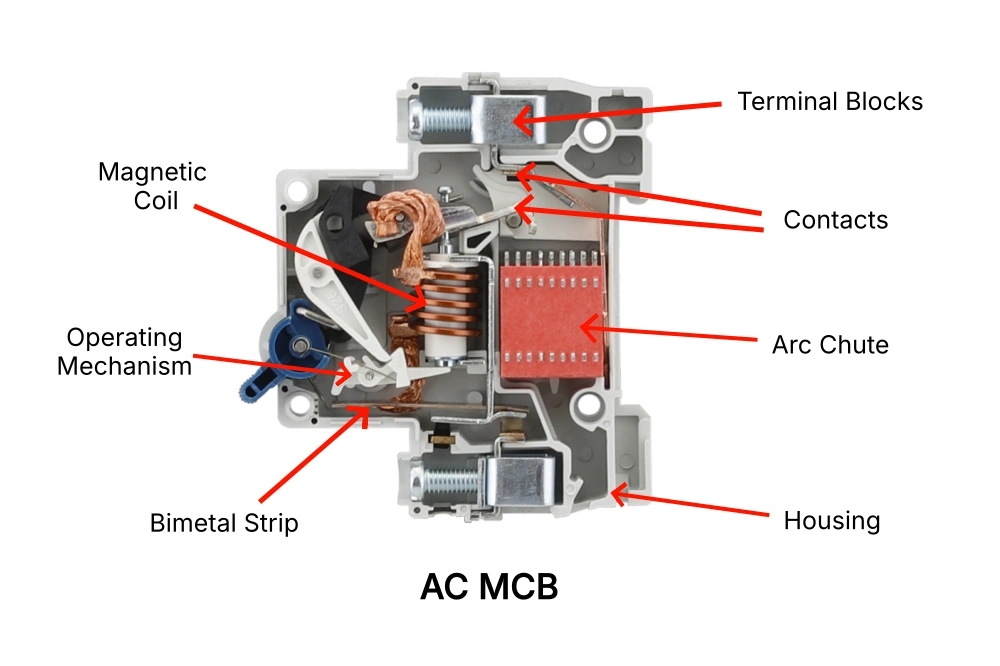
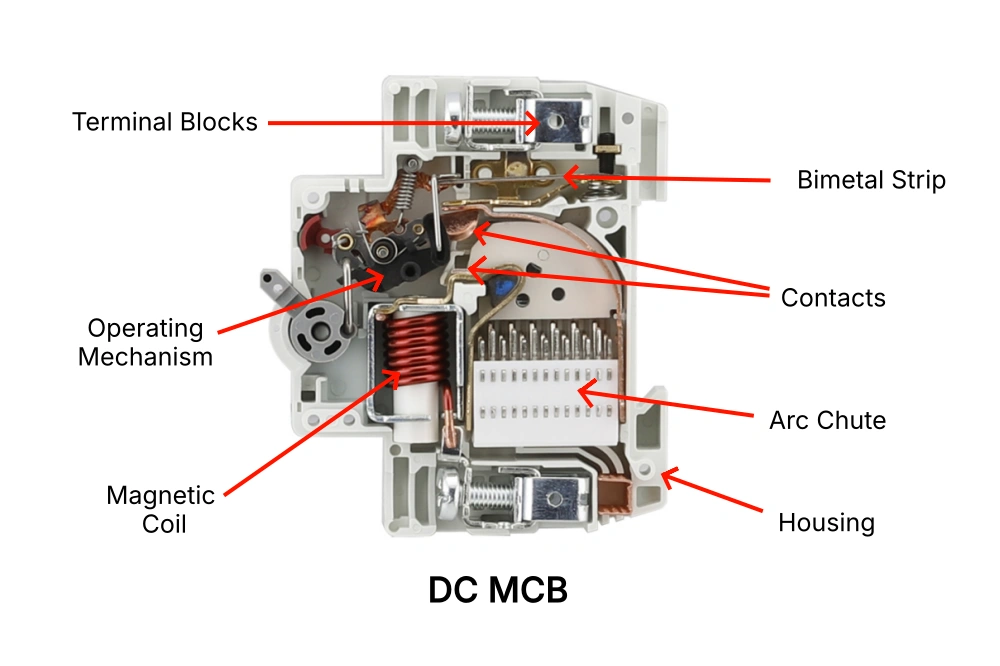
Miniature Circuit Breaker Main Components
MCBs are essential components in electrical systems, providing reliable overcurrent and short-circuit protection. Below, we explore their main internal components and how each contributes to safe and efficient operation.
| Component | Function |
|---|---|
| Operating Mechanism | The operating mechanism is the heart of the MCB. It allows both manual switching and automatic tripping when a fault occurs. In DC MCBs, the mechanism is sometimes slightly reinforced to ensure reliable tripping since DC current does not naturally pass through zero, making arcs harder to extinguish. |
| Magnetic Coil | The magnetic coil creates a magnetic field when a short-circuit current flows through the MCB, activating the trip mechanism to instantly break the circuit. DC MCBs use stronger magnetic force or additional coil turns to ensure fast response under continuous DC current conditions. |
| Bimetal Strip | The bimetal strip functions as the thermal trip element. It bends when heated by sustained overcurrent, triggering the breaker to trip. This protects the circuit from prolonged overloads and ensures stable, reliable performance. |
| Contacts | Contacts are the conductive parts that open and close to control the current flow. They are compact, durable, and corrosion-resistant. DC MCBs often use silver alloy or dual-contact designs to handle continuous DC arcs safely while maintaining long-term operational stability. |
| Arc Chute | The arc chute safely extinguishes the electric arc when the breaker trips. In DC MCBs, it is longer and more complex, with multiple plates or stages to elongate and cool the arc, ensuring safe disconnection and protecting internal components. |
| Housing | The housing provides mechanical protection and electrical insulation for all internal components. It is lightweight, durable, and compact, allowing easy installation in electrical panels while protecting the MCB from dust, heat, and mechanical stress. |
| Terminal Blocks | Terminal blocks provide secure connections between the MCB and circuit wiring. They ensure stable current flow and prevent loose connections, supporting safe installation and long-term reliability in residential, commercial, and light industrial setups. |
Different Types of Miniature Circuit Breakers
Miniature Circuit Breakers come in multiple types, each designed to suit different electrical system needs. Understanding these variations helps us choose the most appropriate protection solution.
By Tripping Curve
MCB Type Trip Characteristics & Typical Applications Type A MCB Trips at approximately 2–3 times the rated current. Suitable for circuits with highly sensitive electronic devices such as computers, communication equipment, and medical instruments. Provides precise protection for delicate loads with minimal nuisance tripping. Type B MCB Trips at approximately 3–5 times the rated current. Primarily used in residential and light commercial circuits with low inrush currents, such as lighting and general socket outlets. Offers fast protection for sensitive loads. Type C MCB Trips at approximately 5–10 times the rated current. Common in commercial and industrial applications with moderate inrush currents, such as air conditioners, small motors, and distribution boards. Most widely used type in standard installations. Type D MCB Trips at approximately 10–20 times the rated current. Designed for circuits with high inrush currents, such as transformers, large motors, and industrial equipment. Prevents nuisance tripping while providing reliable short-circuit protection. Type K MCB Trips at approximately 8–12 times the rated current. Used in circuits with moderately high inrush currents, such as small transformers, fluorescent lighting, and industrial control circuits. Ensures reliable protection while accommodating temporary surges without unnecessary tripping. Type Z MCB Trips very quickly at approximately 2–3 times the rated current. Ideal for protecting highly sensitive electronic equipment, including semiconductors and electronic control units. Provides extremely fast short-circuit protection for low-current devices. By Pole Configuration
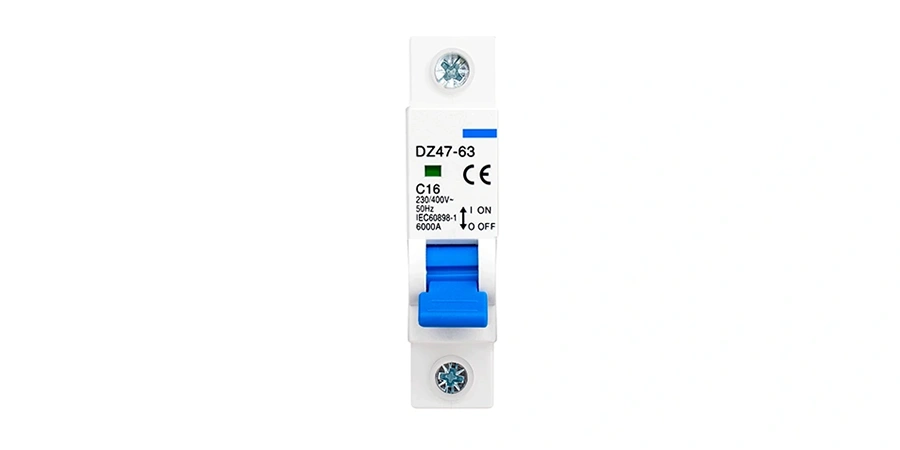
1-Pole (1P)
1-pole MCBs protect a single phase conductor and are widely used in single-phase residential and light commercial circuits. They are typically installed for lighting lines and small power loads where only one live conductor requires protection. Their compact size makes them suitable for standard distribution boards with limited installation space.
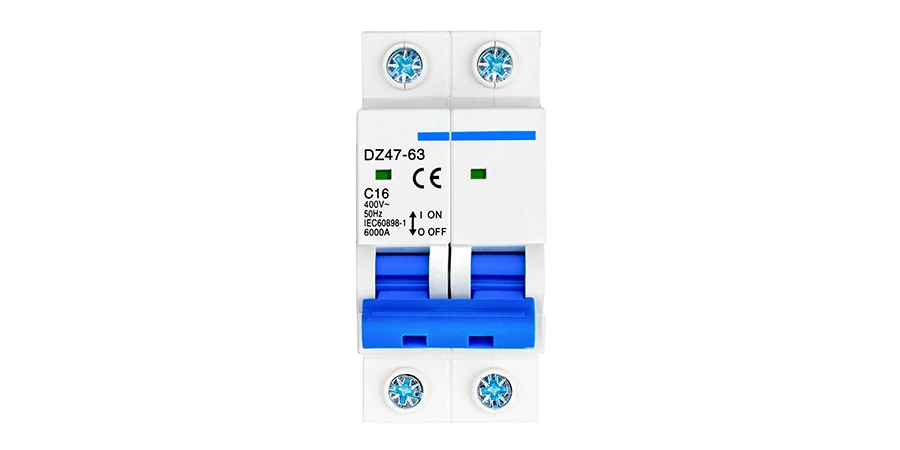
2-Pole (2P)
2-pole MCBs protect both the phase and neutral conductors simultaneously, providing full circuit isolation in single-phase systems. They are commonly used in applications where enhanced safety and complete disconnection are required. This configuration is often selected for equipment circuits and installations that demand higher protection reliability.
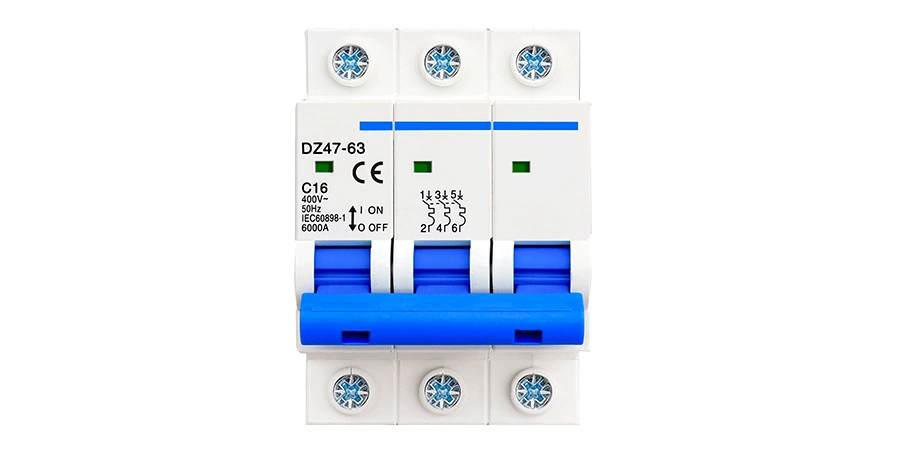
3-Pole (3P)
3-pole MCBs are designed for three-phase systems without separate neutral protection. They are typically applied in industrial distribution panels, motor circuits, and balanced three-phase loads. This configuration ensures synchronized disconnection of all three phases, maintaining system stability and protecting connected equipment effectively.
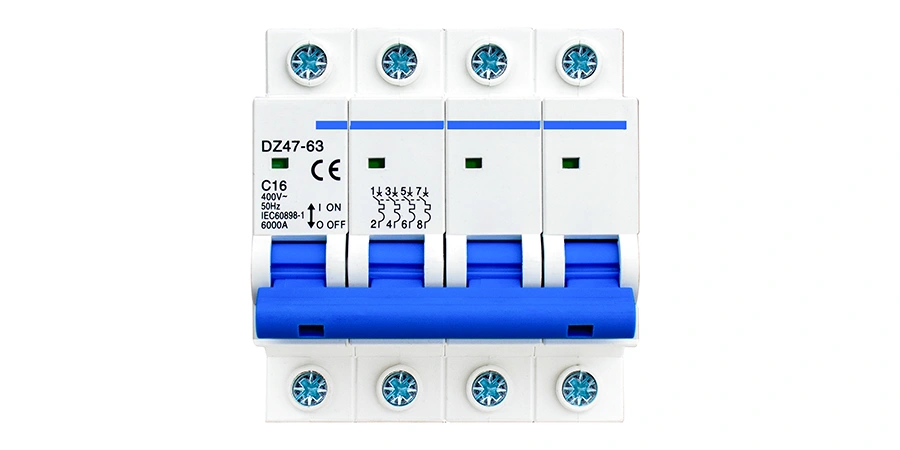
4-Pole (4P)
4-pole MCBs include an additional pole dedicated to neutral protection, making them suitable for three-phase systems with unbalanced or non-linear loads. They are used in installations where neutral disconnection is necessary for safety or compliance requirements. This design provides complete isolation across all conductors within the circuit.
By Rated Current
MCB Type & Rated Current Typical Applications & Protection Features Low Current MCBs (1A–32A) Suitable for small loads such as lighting circuits and household outlets. Ideal for residential and light commercial applications, providing reliable protection without nuisance tripping while keeping everyday electrical systems safe. Low-Medium Current MCBs (32A–40A) Designed for loads slightly larger than standard residential circuits but smaller than typical commercial equipment. Common in larger apartments, small workshops, or backup circuits needing slightly higher current capacity. Medium Current MCBs (40A–125A) Used for medium-sized commercial circuits or small industrial loads, including office equipment, small motors, and distribution boards. Offers balanced protection and capacity for everyday commercial and industrial applications. Medium-High Current MCBs (125A–160A) Suitable for circuits heavier than standard medium loads but below full industrial capacity. Commonly applied in larger commercial buildings, workshop machinery, or backup systems requiring stronger protection. High Current MCBs (160A–250A+) Designed for industrial equipment, large motors, and heavy-duty electrical systems. Provides reliable overload and short-circuit protection, ensuring safe operation for demanding high-current applications. By Application Type
AC MCB
AC MCBs are designed for alternating current systems and are widely used in residential, commercial, and industrial distribution boards. They provide reliable protection against overloads and short circuits, ensuring safe and stable operation of connected electrical equipment.
DC MCB
DC MCBs are specifically built for direct current applications, including solar photovoltaic systems, battery storage, and telecom installations. They effectively interrupt DC fault currents and manage arc characteristics unique to DC circuits, providing safe and consistent circuit protection.
How Miniature Circuit Breakers Work?
Normal Current Flow
Under normal operation, electricity flows smoothly through the MCB, powering connected devices safely. The internal mechanisms remain inactive, ensuring uninterrupted operation while keeping circuits fully protected. This stable operation allows industrial, commercial, and residential systems to run efficiently without risk of overcurrent or electrical faults.
Overload Response (Thermal)
When current exceeds the MCB’s rated capacity for a sustained period, the thermal mechanism activates. Heat generated by the excess current causes the bimetallic strip to bend gradually, which triggers the contacts to open. This step prevents overheating and protects wiring and connected devices from damage due to prolonged overcurrent.
Short-Circuit Response (Magnetic)
In the event of a sudden surge caused by a short circuit, the magnetic mechanism responds instantly. The solenoid produces a strong magnetic force, separating the contacts immediately. This rapid interruption stops the high current before it can damage equipment, preventing potential hazards in industrial, commercial, or residential installations.
Arc Chute Action
Whenever the contacts open—whether due to overload or short circuit—an electric arc forms. The Arc Chute safely directs, cools, and extinguishes this arc, preventing sparks, fire, and equipment damage. The Arc Chute is a crucial component that ensures the MCB can interrupt high currents safely and reliably.
Reset and Restore
After the fault is cleared, the MCB can be manually reset using the switch lever. Once reset, the contacts close and normal current flow resumes. This reusability reduces downtime, simplifies maintenance, and makes MCBs more convenient and cost-effective than traditional fuses in industrial, commercial, and residential applications.
Miniature Circuit Breaker Applications
Designed for efficiency and safety, MCBs help maintain stable electrical systems while quickly responding to faults. Their compact design and dependable operation make them ideal for protecting a wide range of circuits.
Home and Apartment Circuits
Protects household appliances and electronics from overload or short circuits, ensuring safe and reliable power for everyday use.

Office and Light Commercial Circuits
Suitable for small commercial spaces such as offices, shops, and restaurants, providing reliable protection for multiple branch circuits.

Light Industrial Equipment
Safeguards small production lines, machines, and auxiliary equipment from electrical faults, preventing downtime and damage.

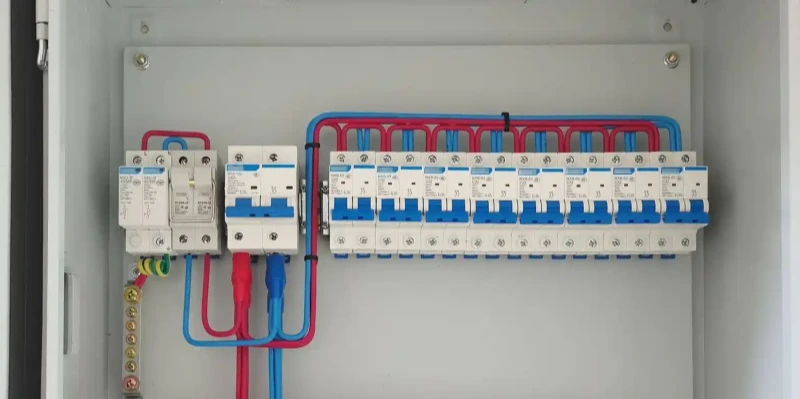
Distribution Boxes and Branch Lines
Installed in distribution boxes to protect individual circuits, allowing easy maintenance, clear circuit organization, simple troubleshooting, and future expansion.
Dedicated Equipment Circuits
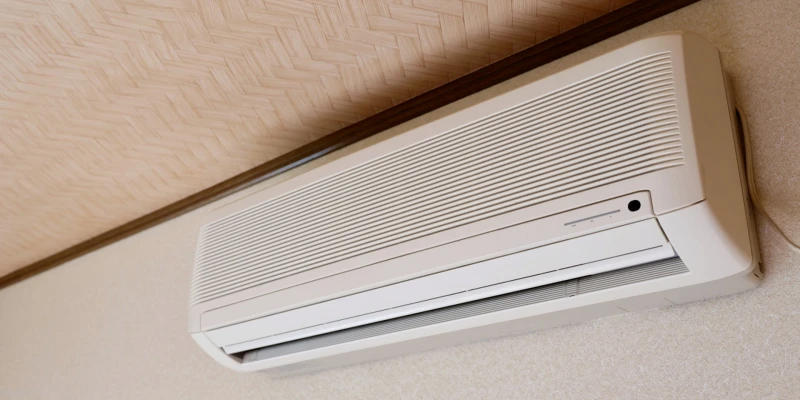
Provides independent protection for specific loads such as air conditioners, heaters, pumps, or IT equipment, reducing the risk of overload on shared circuits.
Solar and Renewable Energy Systems
Protects DC and AC circuits in solar panels, energy storage, and small wind systems, ensuring stable operation of renewable energy installations.

Pros and Cons of MCBs
Understanding the main advantages and limitations of MCBs can help businesses choose the right solution for safe and reliable electrical installations.
Disadvantages
Limited Current Rating
Designed for low-voltage circuits, making it unsuitable for high-power industrial applications or large machinery loads.
No Earth Fault Protection
Standard MCBs cannot protect against ground faults, requiring additional devices like RCDs or RCCBs for full safety.
Short-Circuit Capacity Limited
Can handle lower short-circuit currents compared to MCCBs, restricting use in high fault current environments.
Not Adjustable for Complex Loads
Cannot accommodate specialized or fluctuating load conditions that require advanced settings or protection features.
Higher Cost for Large Installations
Using many MCBs in big electrical systems increases upfront expenses compared to simpler fuse-based solutions.
Advantages
Automatic Protection
Quickly cuts off electricity when current exceeds safe limits, protecting circuits and preventing damage or fire hazards.
Compact Design
Small and lightweight, making it easy to fit in tight electrical panels without affecting overall system layout.
Easy Installation
Simple to install and wire, saving time for electricians and reducing setup costs in residential or commercial systems.
Reliable Operation
Provides consistent performance over time, ensuring circuits remain safe and operational without frequent trips or maintenance.
Low Maintenance
Durable materials and simple design reduce the need for regular servicing, offering long-term cost-effectiveness.
How to Choose the Right MCB?
Choosing the right MCB is essential to protect your electrical circuits, prevent damage, and ensure safety. Follow these six steps to make the correct choice.
Step 1: Determine Your Load Current
The first step is to know the current your circuit will carry. Check the total electrical load and select an MCB with a rated current slightly higher than the load. For example, small lighting circuits usually need 6–10A, while larger appliance circuits may require 16–20A. Avoid oversizing the MCB as it may fail to protect your system properly.
Step 2: Choose the Right Tripping Curve
MCBs come with different tripping curves: B, C, or D. Type B trips quickly and is suitable for home lighting, Type C handles commercial equipment with moderate inrush currents, and Type D is ideal for motors or devices with high starting currents. Picking the correct curve ensures your MCB will react properly under overload or short-circuit conditions.
Step 3: Check the Breaking Capacity
The breaking capacity shows how much short-circuit current the MCB can safely interrupt. Common values are 6kA and 10kA. Residential circuits often need 6kA, while industrial or commercial setups may require 10kA. Choosing a lower breaking capacity than the actual short-circuit current can cause serious equipment damage.
Step 4: Select the Number of Poles
MCBs are available in single-pole (1P), double-pole (2P), triple-pole (3P), and four-pole (4P) types. Single-pole is for simple line protection, double-pole for line and neutral, triple-pole for three-phase circuits, and four-pole for three-phase with neutral. Match the poles to your system to ensure proper circuit protection.
Step 5: Verify Voltage and Standards
Always check that the MCB is rated for your system voltage, typically 230V for single-phase or 400V for three-phase systems. Ensure the product meets international standards such as IEC 60898-1 or IEC 60947-2. Using certified MCBs guarantees reliable performance and compliance with safety regulations.
Step 6: Consider Application and Environment
Finally, think about where and how the MCB will be used. Factors such as temperature, humidity, and installation type may affect performance. Choose an MCB designed for your environment, whether it’s residential, commercial, or industrial. When in doubt, contact a technical expert for the best solution.
Why Choose Sincede's MCBs?
We understand the challenges of B2B procurement. Here is how we make your job easier.
Manufacturer Direct
Direct factory pricing with no middlemen. Maximize your profit margins through our integrated supply chain.
Premium Materials
Built with 95% silver alloy contacts and V0 flame-retardant housings for maximum safety and life.
SKD & Localization
Establish your local brand with our full SKD kits, technical SOPs, and equipment sourcing support.
Full Compatibility
Engineered for seamless integration and verified coordination with Sincede’s MCCB and ACB ranges.
100% QC Testing
Zero-defect guarantee. Every single pole undergoes 100% testing before shipment to ensure reliability.
Rapid Lead Times
Fast delivery within 7-15 days, Leveraging our integrated supply chain to keep your projects on schedule.
Global Compliance
Fully compliant with IEC standards and backed by CE, CB, and RoHS for global project approvals.
One-Stop Sourcing
Consolidate your full range—ACB, MCCB, and MCB—into one shipment to save logistics costs.
FAQs About MCBs
Q: Can a bad MCB cause a fire?
A: Yes, a faulty MCB can increase the risk of fire. If it fails to trip during an overload or short circuit, excessive current can flow through wires, causing overheating and melting insulation. Poor-quality materials, internal damage, or improper installation are common causes. Regular inspection is important to catch issues early. Always use certified MCBs that meet IEC or UL standards, and ensure they are installed by a qualified professional. Proper maintenance and replacement of worn or damaged breakers significantly reduce fire hazards in residential, commercial, and industrial electrical systems.
Q: Can I use an MCB as a main breaker?
A: Yes, an MCB can act as a main breaker for small residential or light commercial systems if it is rated for the total load and fault level. However, for larger installations with higher currents, a molded case circuit breaker (MCCB) may be more appropriate. The key is to match the breaker’s rated current and breaking capacity with the system’s requirements. Always ensure installation complies with local electrical codes and standards. Using the correct main breaker protects both the wiring and connected equipment while maintaining system safety and reliability.
Q: Are miniature circuit breakers safe?
A: MCBs are designed to provide reliable protection when properly installed. They automatically switch off power in case of overloads or short circuits, preventing damage to wires and equipment. Certified MCBs undergo rigorous testing according to IEC or UL standards to ensure consistent performance. Safety depends on correct selection, installation, and maintenance. Using low-quality or incorrectly rated breakers can compromise protection. By choosing certified products and following professional installation guidelines, MCBs provide a safe and effective way to protect electrical systems for homes, businesses, and industrial applications.
Q: How long do mini breakers last?
A: A high-quality MCB can last between 10 to 20 years under normal conditions. Lifespan depends on factors such as load frequency, environmental conditions, number of trips, and overall system quality. Frequent overloads, harsh environments, or improper installation may shorten service life. Regular inspection is recommended, especially in industrial or high-demand applications. If a breaker trips often or shows signs of wear, it should be tested or replaced promptly by a qualified technician. Proper maintenance ensures consistent protection and extends the useful life of the electrical system.
Q: What is the advantage of using an MCB over a fuse?
A: MCBs offer several advantages compared to fuses. First, they can be reset after tripping, while a fuse must be replaced. Second, MCBs provide precise protection against overloads and short circuits. They also improve safety by eliminating the need to handle live fuse wires during replacement. High-quality MCBs control arcs effectively and have longer service lives. For commercial and industrial applications, this reduces downtime and maintenance costs. Overall, MCBs provide a more reliable, convenient, and safer method of circuit protection than traditional fuses.
Q: What is the difference between MCB and RCD?
A: An MCB protects wiring and equipment from overloads and short circuits, while an RCD protects people from electric shock due to earth leakage. In simple terms, MCBs stop excessive current from damaging circuits, whereas RCDs detect leakage currents and cut power to prevent injury. They serve complementary functions, and many electrical systems use both for complete protection. Installing only an MCB does not provide protection against leakage currents. Combining MCBs and RCDs ensures both equipment safety and personal safety, which is especially important in residential, commercial, and industrial environments.
Q: Do MCBs need an RCD?
A: MCBs and RCDs serve different purposes but are often used together for complete protection. While an MCB safeguards against overloads and short circuits, an RCD detects earth leakage currents that can cause electric shocks. Many building codes require RCDs on circuits like outlets, bathrooms, or outdoor areas. Adding an RCD alongside an MCB enhances safety and ensures compliance with regulations. Even if an MCB alone can protect the system from overcurrent, combining it with an RCD provides higher safety standards for both people and equipment, reducing risk of injury and damage.
Q: Can I replace a 15 amp breaker with a 20 amp breaker?
A: Replacing a 15A breaker with a 20A breaker is not recommended unless the wiring and circuit are rated for the higher current. Using a higher-rated breaker on lower-rated cables can allow excessive current to flow without tripping, which may cause overheating, insulation damage, or even fire. Breaker ratings must match the wire size and load requirements. Always consult a licensed electrician before making any changes. Correct breaker selection ensures safe operation, protects wiring and equipment, and prevents potential hazards.
Q: Can a miniature circuit breaker be reset?
A: Yes, MCBs are designed to be reset after tripping. When an overload or short circuit occurs, the breaker automatically switches off to protect the system. Once the underlying issue is resolved, the breaker can be manually switched back on. Repeated tripping may indicate a persistent electrical problem, such as overloading, faulty equipment, or short circuits, and should be inspected by a qualified professional. Resettable MCBs provide convenience and reduce downtime compared to fuses, allowing circuits to be safely restored without replacing components.
Q: How often should MCBs be inspected or replaced?
A: MCBs are durable, but regular inspection is essential to ensure ongoing safety. For commercial or industrial systems, visual inspection at least once a year is recommended. Check for discoloration, overheating, physical damage, or unusual tripping patterns. If issues are detected, the breaker should be tested or replaced promptly. Even high-quality MCBs may require replacement after 10–20 years depending on usage and environmental conditions. Following local electrical standards and consulting a qualified technician ensures reliable protection and minimizes the risk of electrical faults or fire hazards.
MCB Related Resources
What’s the Difference Between EN 60898-1 and IEC 60898-1?
A Simple Look at IEC 60898-1
Can You Mix Circuit Breaker Brands on the Same Distribution Board?
Understanding 4.5kA, 6kA and 10kA Breaking Capacity in MCBs
3 Common States of Circuit Breakers
What Is the Difference Between MCB and MCCB?
Why Circuit Breakers Need Waterproof Box?
How Bimetal Strips Work in Circuit Breakers?
Why Construction Sites Use Transparent Circuit Breakers?
What Is the Difference Between Circuit Breakers and Surge Protection Devices?
What Is the Difference Between MCBs and Isolating Switches?
Can You Replace a Household Circuit Breaker Yourself?
7 Common Reasons Your Circuit Breaker Keeps Tripping
What Are Din Rails?
Understanding MCB Types – A, B, C, D, K, Z – What’s the Difference?
Secure Your Power Needs Now!
No more delays. We’re here to power your project with reliable circuit breakers and fast service.