7 High-Vibration Environments That Push Circuit Breakers to the Limit
Behind many breaker failures is a simple culprit: nonstop vibration. Different industries reveal how motion chips away at components and...
Blog

Behind many breaker failures is a simple culprit: nonstop vibration. Different industries reveal how motion chips away at components and...
BlogEveryday bumps and shakes can secretly affect circuit breakers. What looks solid in the lab can slowly wear down, showing...
Blog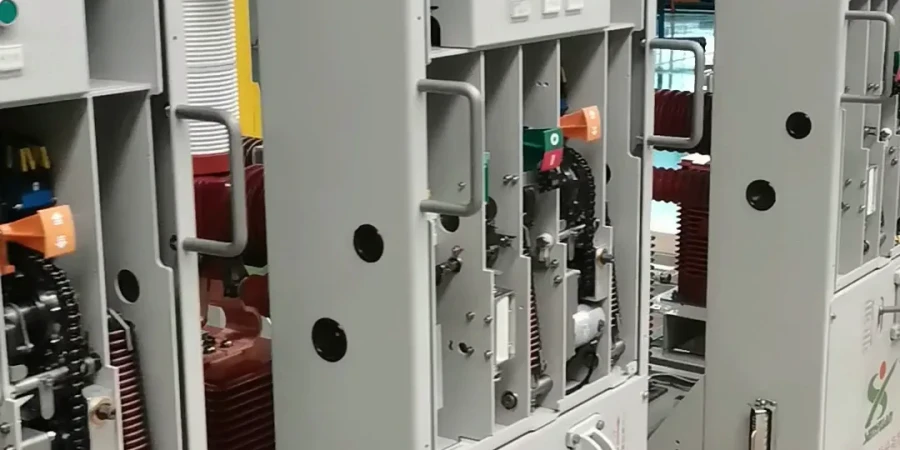
A breaker seems simple, yet the choice between manual and motorized designs can change how a facility operates. Exploring both...
Blog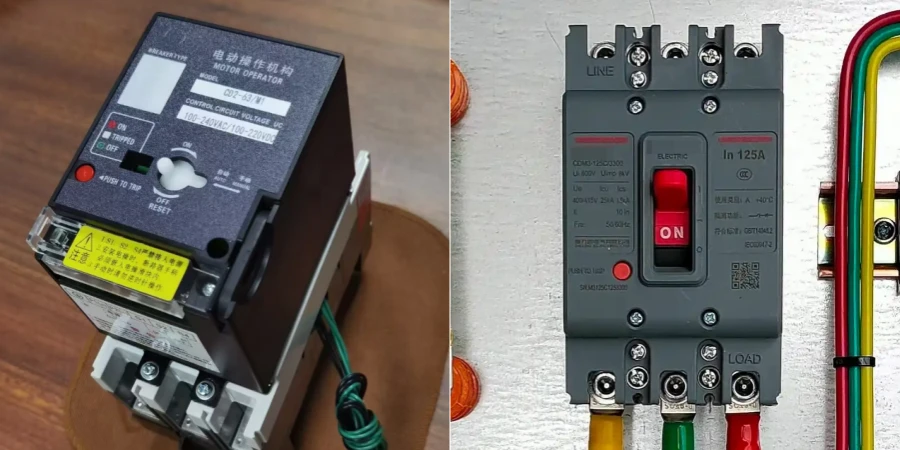
Adding a motor to a circuit breaker opens new ways to manage power, from faster fault handling to safer operation...
Blog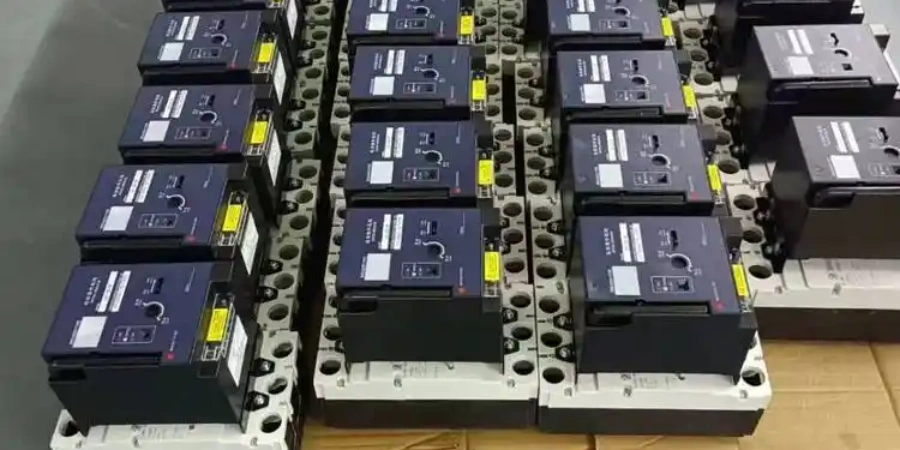
An MCCB that’s too big or too small can quietly create real problems. Proper sizing protects cables, prevents false trips,...
Blog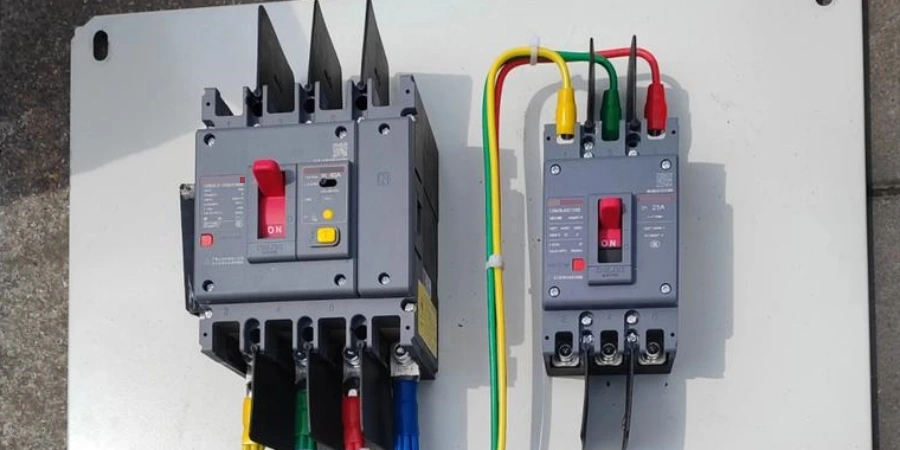
Electrical equipment is only as clean as its environment. By thinking about dust, airflow, and protection early, you can prevent...
Blog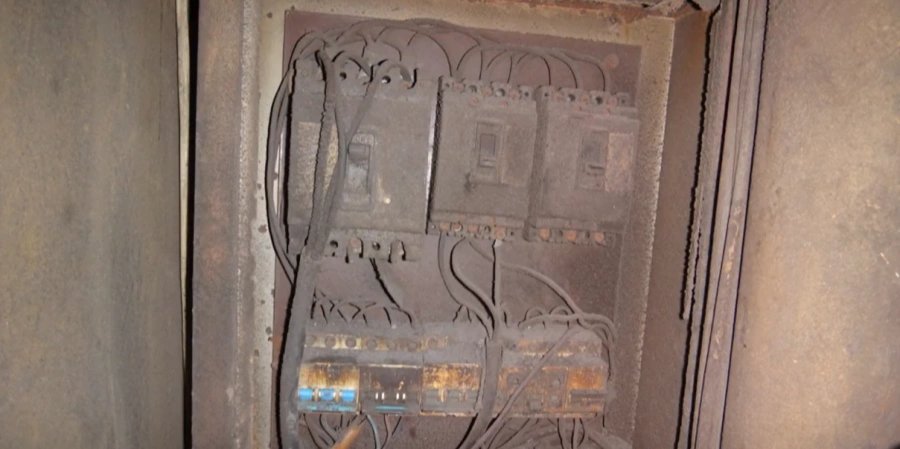
Motors don’t behave like simple loads. Their heavy startup demands and unique risks make ordinary circuit breakers a poor fit,...
Blog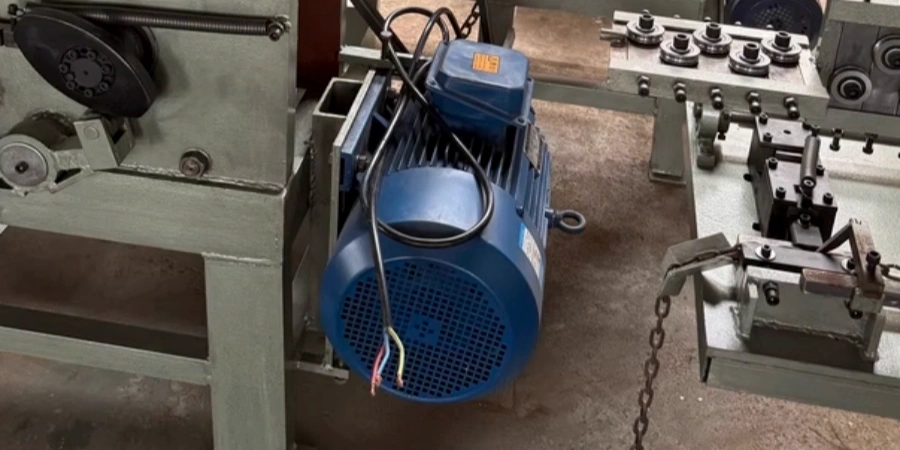
An MCCB is a high-capacity circuit breaker designed to stop overloads, short circuits, and ground faults. It helps keep electrical...
Blog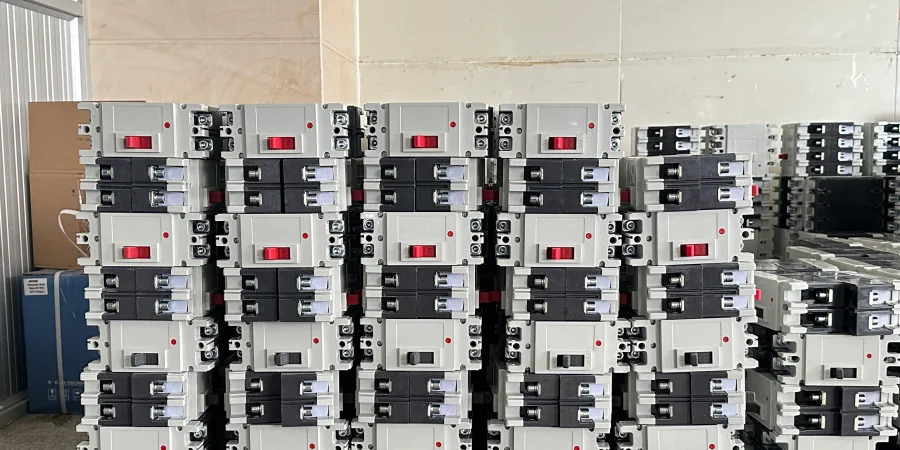
A dusty electrical panel can stress breakers, causing heat, trips, or arcing. Early warning signs help avoid damage and fire...
Blog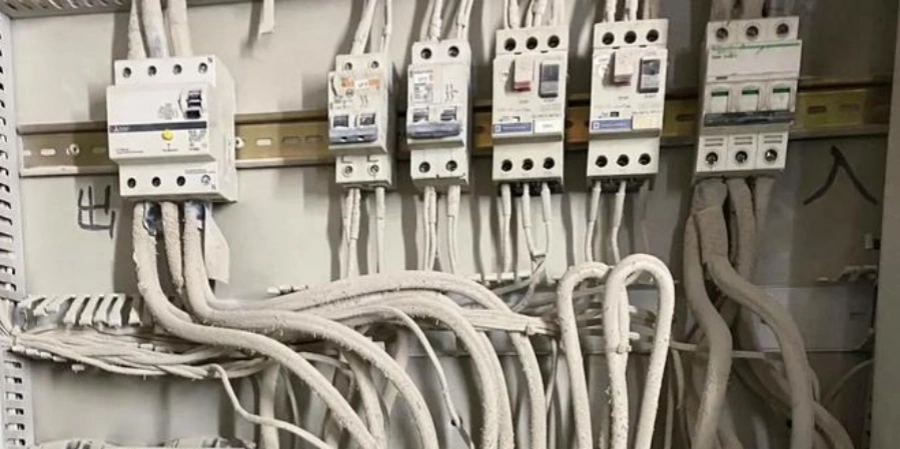
No more delays. We’re here to power your project with reliable circuit breakers and fast service.