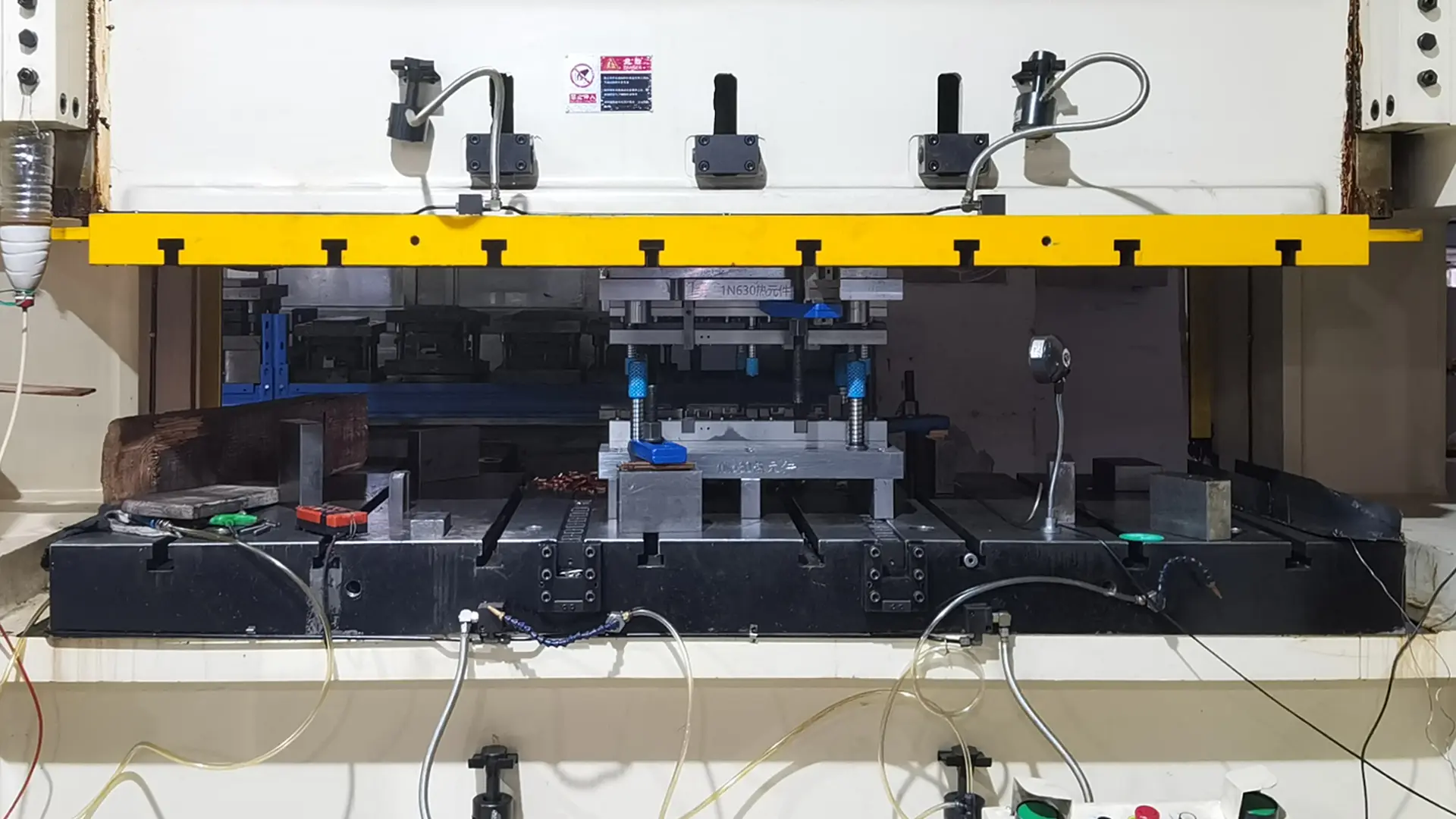
How Dust Affect Circuit Breakers’ Performance?
Dust on circuit breakers isn’t just dirt—it can trap heat, disrupt contacts, and create electrical dangers, quietly accelerating wear and...
Blog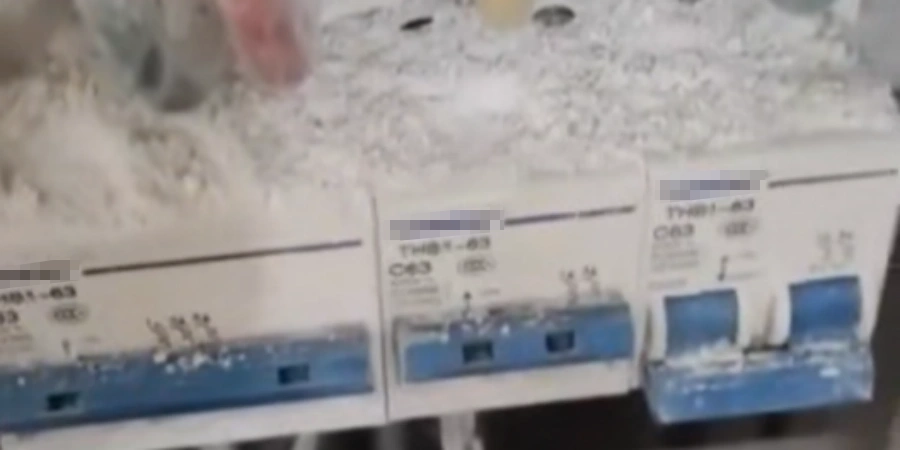

Here on our blog, we explore the science and technology behind modern electrical solutions. From understanding how products work to practical tips for safer and more efficient installations, our articles are designed to give you clear, useful insights. Dive in and expand your knowledge with content from our experts and industry partners.
Dust on circuit breakers isn’t just dirt—it can trap heat, disrupt contacts, and create electrical dangers, quietly accelerating wear and...
BlogUnderstanding how MCBs and MCCBs differ—size, capacity, and purpose—helps you choose the right protection device and avoid major electrical failures.
Blog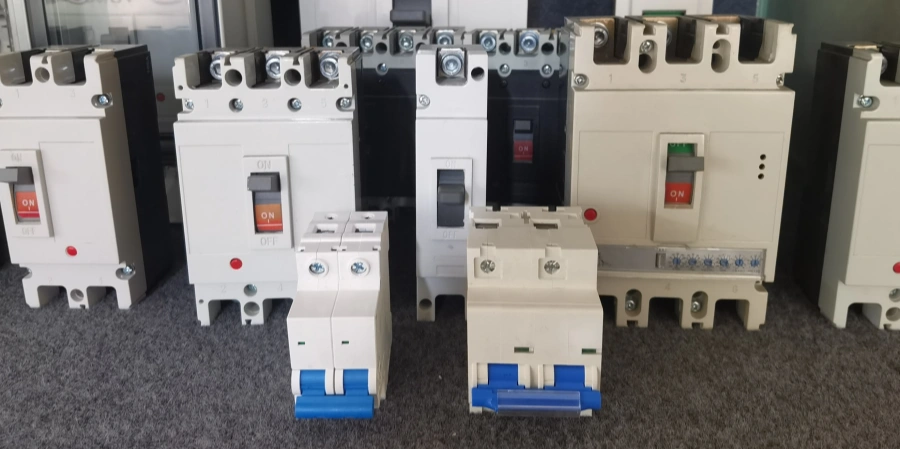
A temperature-rise test pushes a circuit breaker to its rated load to check for dangerous heat. It’s a simple way...
Blog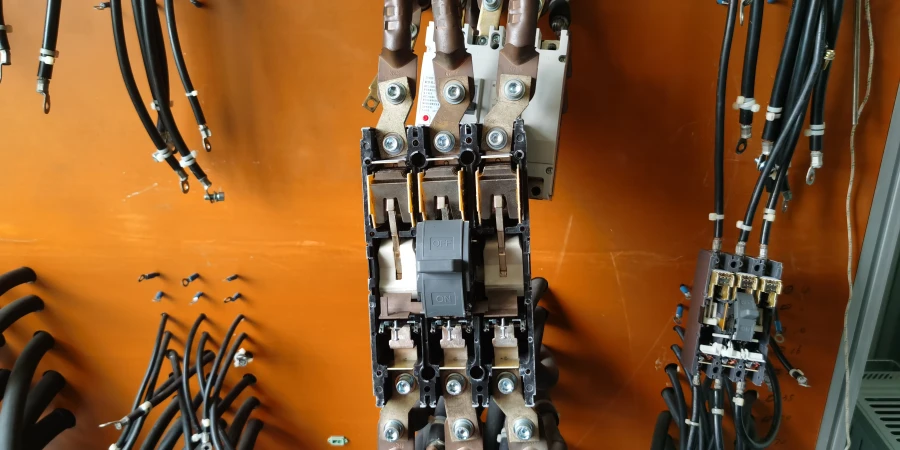
We rely on electricity constantly, and circuit breakers keep it from turning risky. Each type protects against specific faults, from...
Blog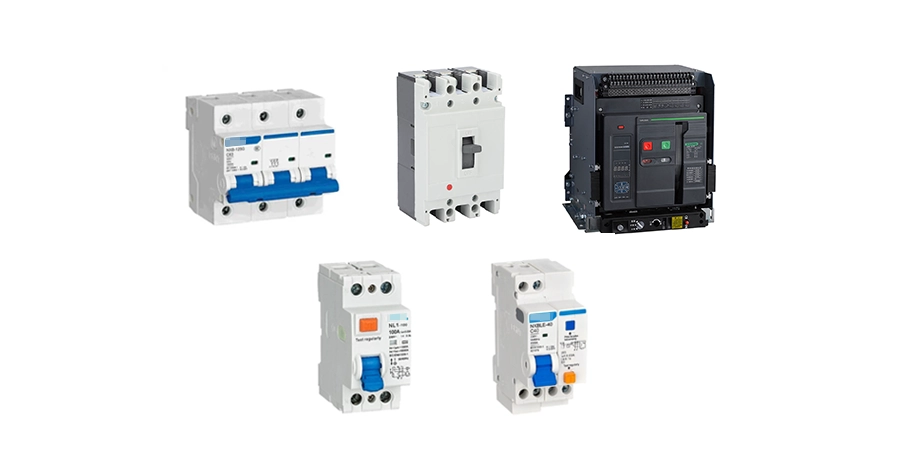
MCCBs quietly protect our electrical systems. The right selection keeps circuits running smoothly, prevents accidents, and saves time and money...
Blog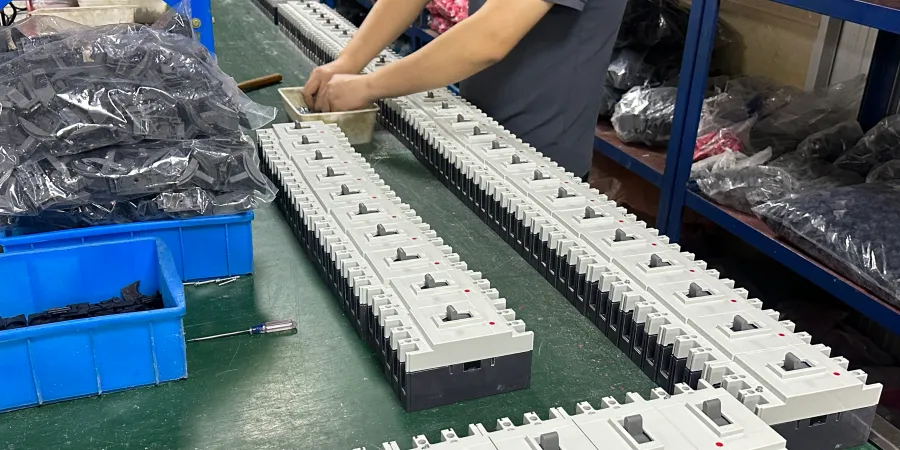
Nature never takes a day off. Outdoor electrical equipment quietly absorbs sunlight, heat, and moisture, and over time, even circuit...
Blog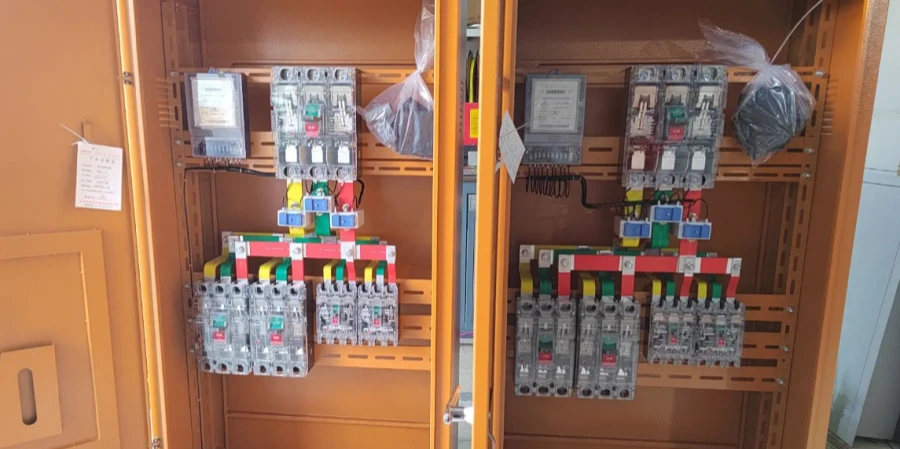
Electrical faults can happen in the smallest spaces. Interphase barriers—simple plastic dividers—help stop sparks from jumping between phases, protecting both...
Blog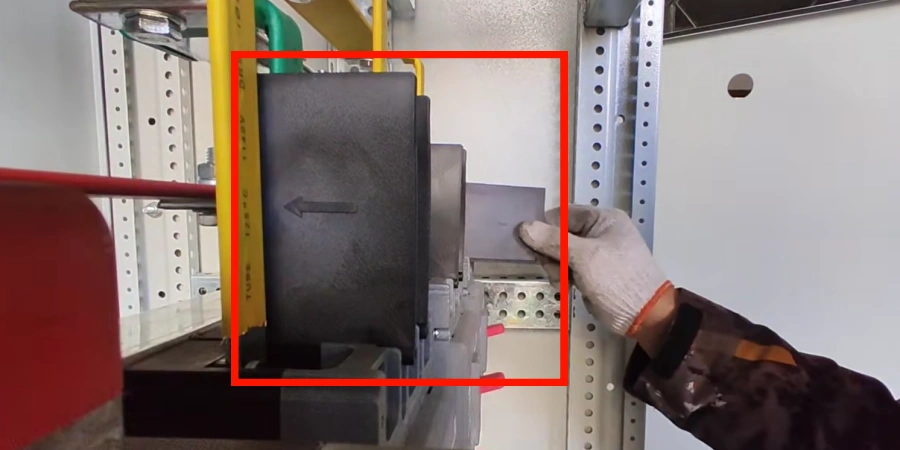
The higher you go, the thinner the air—and the trickier it becomes to keep circuit breakers working properly. Small environmental...
Blog
Breakers sometimes trip even when everything seems fine. These “nuisance trips” reveal hidden tensions in electrical systems, showing how small...
Blog
Click the button below, fill out the form and our expert team will help you find the right solution for your needs.