
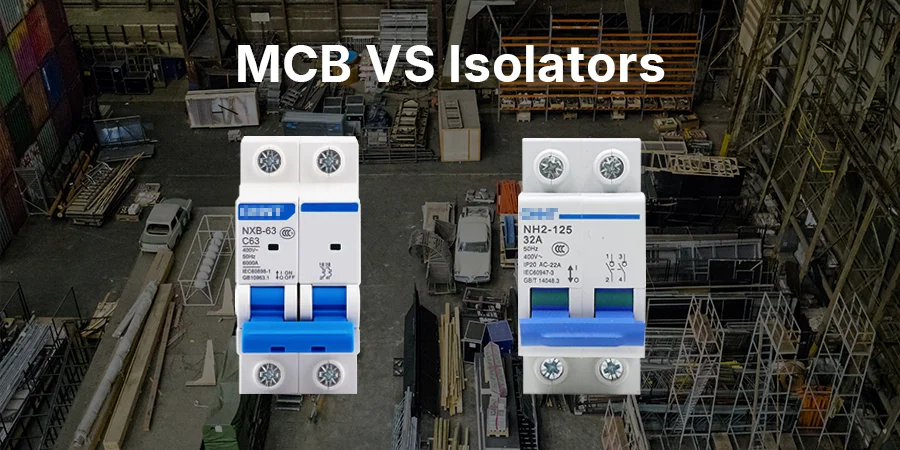
The first time I saw an MCB and an isolating switch online, I honestly thought they looked exactly the same. I couldn’t tell them apart at all. So, I asked an experienced engineer to explain the difference. That conversation opened my eyes — mixing them up isn’t just confusing, it can lead to serious safety risks and even damage equipment.
MCBs (Miniature Circuit Breakers) are automatic devices that protect electrical circuits by shutting off power during overloads or short circuits, while isolating switches are manual devices designed to physically disconnect circuits for safe maintenance by creating a visible break and often allowing lockout.
It’s amazing how much clearer everything becomes when you really grasp how these devices function. Knowing when and why to use each one can truly make all the difference between a safe electrical system and a dangerous situation. I’m excited to share this with you because it’s knowledge that could literally protect people and equipment.
What Are MCBs and Isolating Switches?
On job sites, I often see people get confused about the difference between MCBs and isolating switches. Mixing them up can be dangerous and lead to equipment damage. So let’s break it down with simple explanations.
An MCB, or Miniature Circuit Breaker, is an automatic safety device. It shuts off power when there’s an overload or a short circuit, helping to protect the wiring and equipment. An isolating switch, on the other hand, is a manual switch that completely disconnects a circuit, so it’s safe to work on.
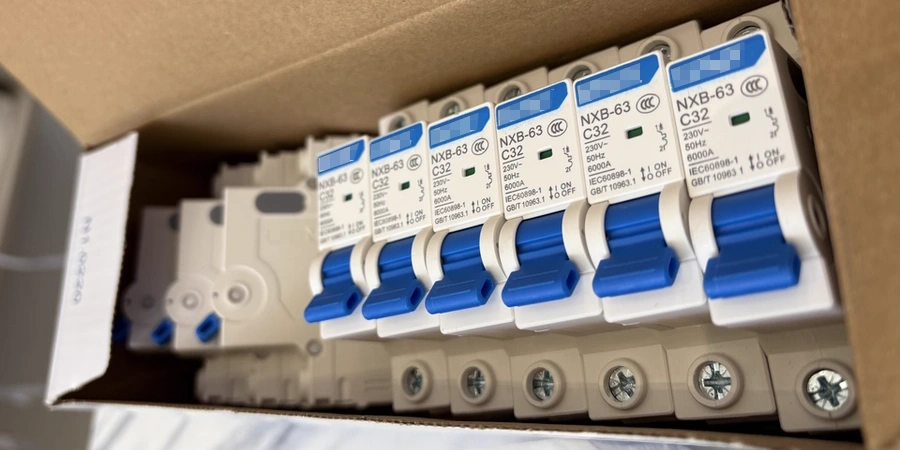
Let’s take a closer look at what each device does and why they matter for electrical safety.
Understanding MCBs
Think of an MCB like a smart safety guard. It constantly monitors the current flowing through a circuit. If there’s too much current—maybe because too many devices are running—or a short circuit, the MCB trips and cuts off the power.
It works in two ways: the thermal trip responds to slow overloads, while the magnetic trip reacts instantly to sudden faults like short circuits. Once the issue is resolved, you can reset the MCB by simply flipping the switch back on.
Understanding Isolating Switches
Isolating switches are all about keeping people safe during maintenance. When you’re working on a circuit, you need to be 100% sure that no electricity is flowing.
That’s where an isolator comes in. It physically disconnects the power and often creates a visible gap in the circuit. Many isolators can also be locked with a padlock, so no one can accidentally turn the power back on while work is happening.
It’s a simple device, but it plays a crucial role in electrical safety.
What Makes Them Different
MCBs are for protecting the system while it’s running. They automatically shut off the power if something goes wrong, like an overload or short circuit.
Isolators are for making the system safe when it’s turned off. They give you a clear, physical break in the circuit so you can do maintenance without risk.
How to Identify MCBs and Isolating Switch?
Although they look similar, there are subtle differences. You could just distinguish MCBs and isolating switches by looking at the symbols on the surface of the cases.

An MCB usually has a symbol that shows a breaker with a curve or arc, sometimes marked with a "B", "C", or "D" (indicating the tripping curve type). It may also include current ratings like “16A” or “32A,” and sometimes a test button on larger models. The toggle switch tends to feel more “snappy” because it’s spring-loaded for tripping action.
An isolating switch, on the other hand, is marked with the standard isolation symbol — typically a horizontal line broken by a gap or circle, representing a physical break. Many isolators also include labels like "ON/OFF" or “I/O,” and some have padlock holes for lockout/tagout. Their toggle or rotary switch often feels more firm or stiff, since there’s no tripping mechanism inside.
Also, MCBs are usually located inside distribution boards, while isolators might be installed nearby machinery or solar panels — places where manual disconnection is required.
How Do MCBs and Isolating Switches Work?
Ever wonder what’s going on inside these devices when they do their job? Knowing how they work helps you understand why they’re used differently — and helps you avoid costly mistakes.
MCBs use thermal and magnetic mechanisms to detect problems and automatically shut off power. While Isolating switches are simple manual devices that create a visible break in the circuit.
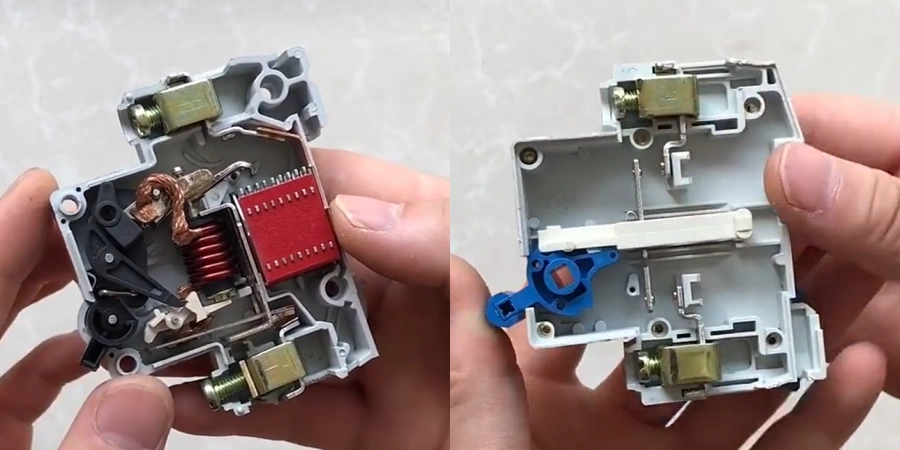
Let’s break it down.
Inside an MCB
An MCB has two main parts:
-
Thermal trip: Uses a bimetallic strip that bends when it gets hot from overcurrent. This disconnects the circuit after a short delay, allowing for small, temporary surges like when a motor starts.
-
Magnetic trip: Uses an electromagnet to respond instantly to short circuits, which cause a sudden spike in current.
Some modern MCBs also have electronic trip units for more accurate protection, as noted by Quisure Circuit Breaker.
Inside an Isolating Switch
An isolator is much simpler. It’s a manual switch that physically separates the electrical contacts, creating a visible gap in the circuit. That way, you can clearly see that the power is off.
They often have multiple poles to isolate all phases in a three-phase system.
One important rule: You must only operate an isolator when there’s no load (no current flowing). Otherwise, it can cause dangerous arcing. That’s why you should always trip the MCB first before using an isolator.
Why It Matters
Understanding how these devices work makes it easier to see their purpose: MCBs protect active circuits, while isolators keep things safe when the power is off and work needs to be done.
Because the internal tripping mechanisms of an MCB are far more complex than a standard switch, manufacturing precision is critical. You need a supplier who ensures that the thermal and magnetic elements trigger exactly when they are supposed to.
The Differences in Functionality Between MCBs and Isolating Switches
It’s easy to think MCBs and isolators do the same job because they often have similar appearance, but that’s a mistake can lead to serious safety issues.
The main difference is this: MCBs can switch power on or off while current is flowing and automatically protect against faults, while isolating switches must only be used when the power is already off, and they provide a clear, manual break in the circuit. MCBs don’t provide full isolation — but isolators do.
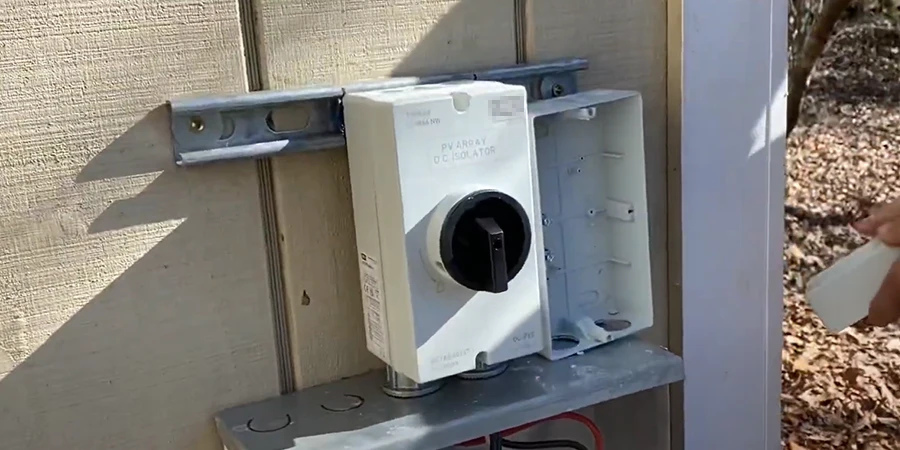
Let’s break down these differences so you can choose the right device for the task.
Comparing Core Functions
Here’s how they compare:
-
Switching: MCBs can safely break an active circuit, handling the arc that forms. Isolators can’t—they must be switched only when there’s no current flows.
-
Protection: MCBs automatically trip during overloads or short circuits while Isolators offer no fault protection, only disconnection.
-
Safety Features: Isolators provide a visible gap and can often be locked for maintenance.MCBs don’t show a visible break and aren’t lockable.
-
Resetting: MCBs must be manually reset after tripping. Isolators just switch on/off—no reset needed
Why You Can’t Swap Them
An isolator doesn’t protect against faults because it can’t trip automatically. On the other hand, an MCB isn’t a true isolator since it doesn’t provide a visible, lockable break. Using these devices the wrong way can cause safety risks or damage to your equipment, as explained by Electrical Classroom.
Quick Comparison Table
| Feature | MCB | Isolating Switch |
|---|---|---|
| Switching under load | Yes | No (must be off-load) |
| Overcurrent protection | Yes | No |
| Operation | Automatic | Manual |
| Visible break | No | Yes |
| Lockable | No | Yes (typically) |
| Main use | Protection during operation | Safe disconnection for maintenance |
Where Should You Use MCBs and Isolating Switches?
Choosing the right device for the right situation can make or break your electrical system’s safety. Many projects go smoothly because the right choices were made here.
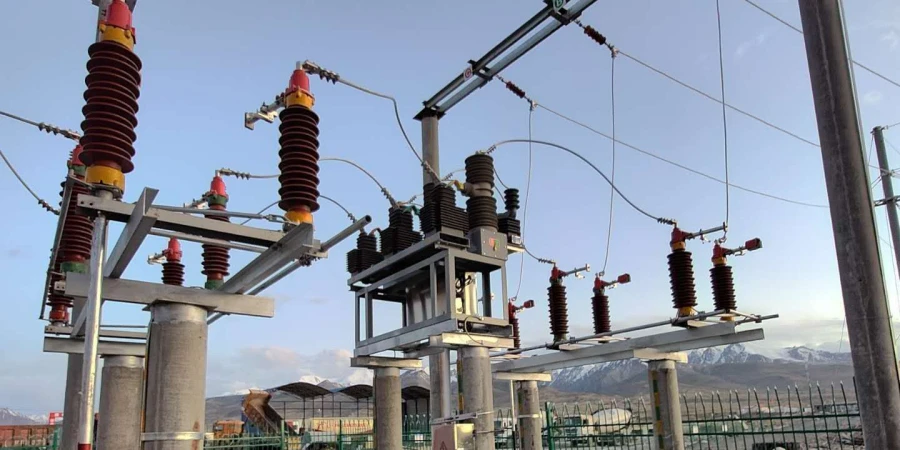
Use MCBs for automatic fault protection in active circuits, such as in homes, offices, or factories where continuous protection is needed. Use isolating switches when you need to safely disconnect power for maintenance, especially in industrial settings or high-voltage applications.
Let’s see where each device fits best.
Where MCBs Are Used?
MCBs are essential for protecting circuits in use:
-
Homes: Protect lighting, outlets, or appliances like air conditioners.
-
Offices: Safeguard computer systems, HVAC, or lighting circuits.
-
Factories: Protect machinery and power distribution from faults.
For example, each circuit in a home usually has its own MCB to stop overloads if too many devices run at once.
Where Isolating Switches Are Used?
Isolators make maintenance safe by disconnecting circuits:
-
Industrial Settings: Safely turn off machines after the MCB has cut power.
-
Renewable Energy: Isolate solar panels or wind turbines for servicing, as noted by CNSPD.
-
High-Voltage Systems: Safely disconnect transformers or generators.
For instance, before working on a factory motor, you first trip the MCB, then open the isolator to make sure the circuit is fully off.
Main Switch vs. Isolator
Some main switches combine protection and isolation, but isolators focus just on disconnecting power. For better safety and clarity, it’s common to use separate MCBs and isolators.
Installation and Safety Best Practice
From my experience, poor installation of MCBs or isolators can cause serious safety issues—like active circuits when you don’t expect them or protection devices that don’t work. Getting these right is critical.
Here are the best practices to install and use MCBs and isolating switches safely: mount them properly, keep enough space around them, only operate isolators when the circuit is off, and regularly test both devices to make sure they work.
Let’s dive into the specific steps and tips for installing and maintaining these devices to keep your electrical systems safe and reliable.
Step-by-Step Installation Tips
For MCBs:
-
Mount Properly: Install MCBs in distribution boards for easy access and monitoring.
-
Ensure Clearances: Leave enough space around MCBs for ventilation to prevent overheating.
-
Select Correct Rating: Match the MCB’s amperage to the circuit’s load—too low and it trips unnecessarily; too high and it won’t protect properly.
For isolating switches:
-
Accessible Location: Place them where they’re easy to reach for maintenance.
-
Padlock Provision: Ensure the isolator can be locked in the ‘off’ position to prevent accidental reconnection.
-
Visible Gap: Confirm the isolator shows a clear break when off for visual safety verification.
Safety Precautions
Safety comes first:
-
Wear PPE: Use insulated gloves, safety glasses, and non-conductive footwear.
-
Lockout/Tagout: Use lock and tag isolators during maintenance to keep power off.
-
De-energize First: Always trip an upstream MCB before operating an isolator.
Testing and Maintenance
Keep things working right with regular checks:
-
MCBs: Test MCBs yearly by simulating faults to ensure they trip as they should, as recommended by Electrical Classroom. Replace any faulty ones.
-
Isolating Switches: Operate isolators manually once a year to check they move smoothly and inspect contacts for wear or damage.
Follow Regulations
Make sure to follow local electrical regulations—such as the NEC (National Electrical Code) in the United States or IEC standards used internationally—to ensure safe and compliant installations.
It’s also essential to have all work carried out by licensed electricians, who are trained to meet these safety standards and avoid costly or dangerous mistakes.
Conclusion
Using MCBs and isolating switches correctly—and installing them safely—is key to protecting people and equipment. Know their roles, follow best practices, and stay compliant to keep your electrical systems safe and reliable.
Whether you need automatic protection or manual isolation, sourcing from a reliable manufacturer ensures your projects meet international standards.