
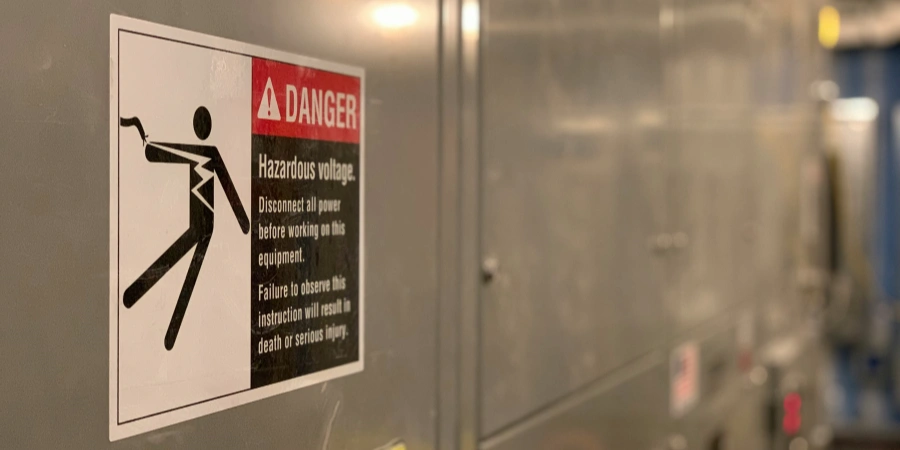
In the electrical industry, safety isn’t just about following rules—it’s about protecting people. Every year in the U.S., around 154 workers die from electrocution, and more than 2,800 suffer non-fatal shocks (ESFI). Behind each number is a person—a coworker, a friend, a parent.
Many believe avoiding hot wires is enough to stay safe. But in reality, electrical dangers are often hidden—inside panels, faulty cords, or unexpected energization during maintenance. That’s why relying on luck or experience alone isn’t enough.
The good news? Most of electrical incidents can be prevented through the right training, tools, and habits. I’ve seen firsthand how simple changes can turn a risky site into a safer, more efficient workplace.
This guide shares the most effective tips I’ve learned over the years. They’re not just best practices—they’re real-life solutions that can protect your team and keep your operations running smoothly.
Check Equipments Regularly
Faulty equipment causes too many accidents. I’ve seen how a simple check can prevent disaster. Why are inspections so critical?
Regular equipment inspections are crucial because they detect faulty parts before they cause harm. Biweekly inspections can catch issues like fraying cords or overheating components, which account for 41% of fatal electrical incidents (ESFI).

Catching Problems Early
Equipment wears out or gets damaged, leading to shocks, burns, or fires. Regular inspections spot these issues early. For example, infrared thermography can detect overheating in panels, reducing incidents by estimated 63%. I visited a warehouse where monthly checks found overheating transformers, preventing potential fires. It’s about being proactive, not reactive.
How to Inspect Effectively
OSHA suggests checking portable equipment before each use, but biweekly or monthly inspections work for fixed systems. Use a checklist: look for frayed cords, damaged plugs, loose connections, and ensure panels are accessible. Here’s a simple guide:
| Inspection Task | Frequency | Purpose |
|---|---|---|
| Check cords for fraying | Before use | Prevents shocks |
| Inspect plugs for damage | Biweekly | Avoids short circuits |
| Test GFCIs | Monthly | Ensures functionality |
| Examine panels | Monthly | Detects overheating |
Inspections extend equipment life and cut costs. A client I worked with saved thousands by catching issues early, avoiding repairs and downtime. It’s a small effort with big rewards, keeping your workplace safe and efficient.
Keep Work Areas Dry
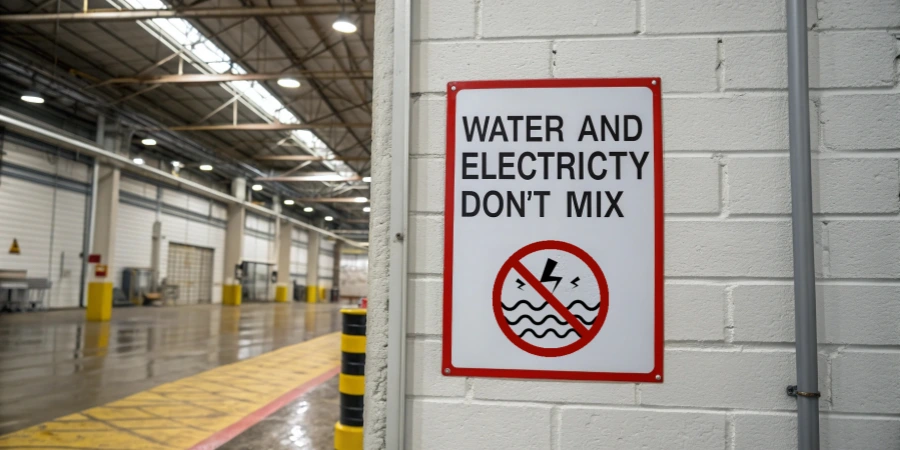
Water and electricity don’t mix, wet conditions could cause near-misses. How can you keep areas dry to stay safe?
To keep work areas dry and prevent electrical hazards, use ground-fault circuit interrupters (GFCIs) in damp locations, install humidity sensors, and enforce a “dry zone” policy around electrical panels.
Why Moisture Is Dangerous?
Water conducts electricity, making even small amounts risky. In places like kitchens or outdoor sites, moisture is a constant threat. I saw a construction site avoid incidents by enforcing strict dry policies.
Tools and Strategies
GFCIs are a game-changer, cutting power instantly if they detect a fault, significantly reducing the risk of electrocutions, especially in wet or damp environments, as required by the National Electrical Code. Humidity sensors alert you to rising moisture levels, and a 3-foot “dry zone” around panels keeps water away. Use mats or barriers to reinforce this.
Practical Steps
At a site I visited, GFCIs on outdoor outlets and a no-wet-hands rule kept everyone safe, even in rain. Regularly check for leaks, ensure proper drainage, and train workers to report wet conditions. These simple steps make a huge difference in preventing shocks.
Lockout/Tagout (LOTO) Procedures
LOTO procedures save people during maintenance. What makes LOTO so essential?
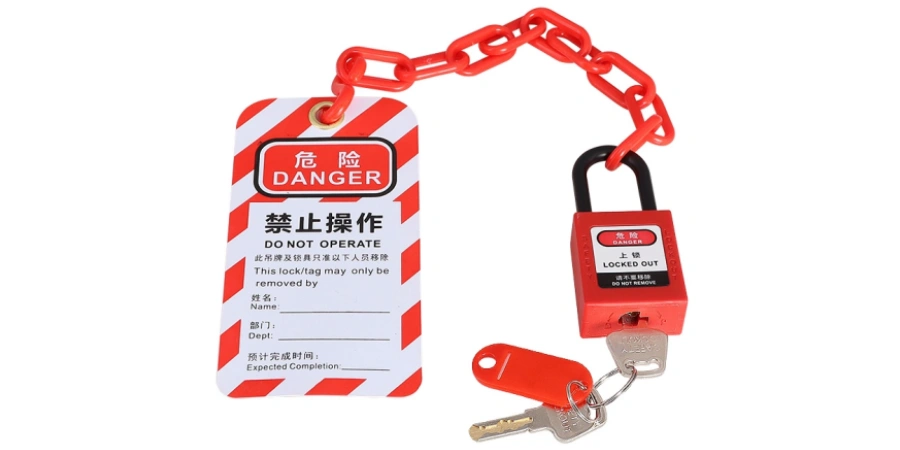
LOTO is a safety method ensure machines are shut off and can’t be turned on during maintenance. It’s one of the most important steps in keeping workers safe.
What Is LOTO?
LOTO stands for Lockout/Tagout:
-
Lockout: means putting a lock on a switch, valve, or breaker to stop a machine from being turned on.
-
Tagout: means putting a warning tag on the same place to let others know not to turn it on.
Locks give more physical protection, while tags are a warning. Both are used to stop machines from starting by accident.
According to OSHA, 85% of high-risk accidents during maintenance are caused by machines starting unexpectedly. LOTO helps prevent that.
LOTO isn’t just a good idea—it’s often required by law. OSHA gives serious fines if it’s not used. LOTO is a must. It protects workers and prevent serious injuries.
How LOTO Works
LOTO isolates energy sources—switches, valves, or breakers—before maintenance. Workers lock or tag these points to prevent operation. Locks are more secure, but tags warn others. Digital LOTO systems track locks, reducing errors by 72% (Digital Safety Solutions).
LOTO is used to block energy sources like electricity, gas, or pressure. Before maintenance starts, workers:
-
Find all energy sources on a machine.
-
Turn them off completely.
-
Apply locks and tags so no one can turn them back on.
-
Check to make sure everything is off and safe.
Tips for Using LOTO
To implement Lockout/Tagout effectively:
-
Create specific LOTO procedures for each machine: Each piece of equipment should have its own clear, written steps for shutting down, locking out energy sources, and verifying the shutdown.
-
Use tools that improve visibility and control: This includes using color-coded tags to indicate status (e.g., red for danger) and advanced locks like fingerprint or keycard-operated devices to ensure only authorized personnel can unlock them.
-
Provide regular training to all employees: Workers should be taught not only the steps of LOTO but also why it matters. Refresh training sessions should be held periodically to maintain awareness and compliance.
Wear Personal Protective Equipment (PPE)
PPE is the last line of defense when working with electricity. But why is it so important?
PPE protects you from electric shocks, arc flashes, and heat injuries. Wearing the right gear—like voltage-rated gloves and flame-resistant uniforms—can save your life. Some new smart PPE can even warn you of danger in real time.

Types of PPE
-
Voltage-rated gloves: protect your hands from shocks—but only about 34% of workers wear them when needed (Workplace Injury Analysis).
-
Arc-rated clothing: such as special shirts, face shields, and coveralls, can withstand arc flashes up to 35,000°F.
-
Category 4 PPE: recommended for high-risk jobs. (NFPA).
-
Smart PPE: includes built-in sensors. These can warn you of danger and have reduced injuries by up to 91% according to trial data(Smart PPE Trials).
Making Sure PPE Is Used
Some workers skip PPE because it feels hot or uncomfortable. Regular training helps people understand why PPE matters. One job site I visited added PPE checks before shifts, and safety improved a lot.
Always choose gear that fits well and feels comfortable—it’s easier to wear and just as safe.
More Than Just Clothes
PPE isn’t only about gloves and uniforms, it also includes insulated tools, safety glasses, and hard hats. Pick PPE based on the task and the danger. And remember: smart PPE is not just high-tech—it’s life-saving.
Keep Cords Organized
Cords can trip workers or cause fires if damaged. I’ve seen messy worksites become much safer just by cleaning up cables. So how can you manage cords the right way?
To manage cords and cables, use retractable reels, overhead carriers, and zonal routing to keep areas organized. This reduces trip/fall incidents and fire hazards from damaged cables (Cable Management Study).
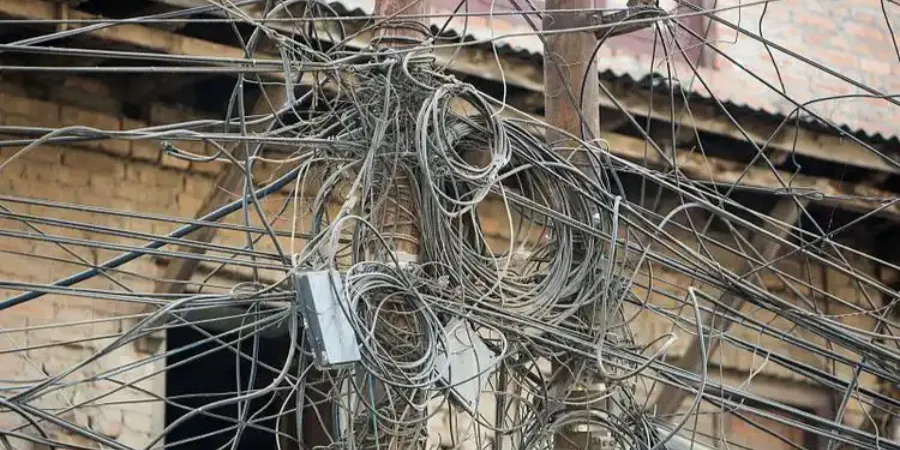
The Risks of Poor Management of Cables
Cables cause 18% of electrical injuries through trips or damage (Electrical Injury Report). A tangled cord can lead to shocks or fires.
Effective Solutions
-
Retractable reels keep cords off the floor.
-
Overhead carriers lift cords up and out of the way.
-
Zonal routing means running cords along safe paths, like walls or under floor mats. This can cut accidents by 83% (Zonal Routing Study).
-
Don’t use extension cords forever: add real outlets if needed.
Practical Tips
Inspect cords regularly for cracks or overheating. Replace faulty ones immediately. A client I worked with implemented cable management and saw fewer accidents and better efficiency. It’s a simple fix with big safety and productivity benefits.
Stay Away from Power Lines
Overhead power lines are silent high-risk. How do you stay safe around them?
The key is to keep a safe distance, use warning systems, and try tools like augmented reality that show where it’s dangerous to go. These steps have reduced accidents with power lines by 94% (Construction Safety Pilot).
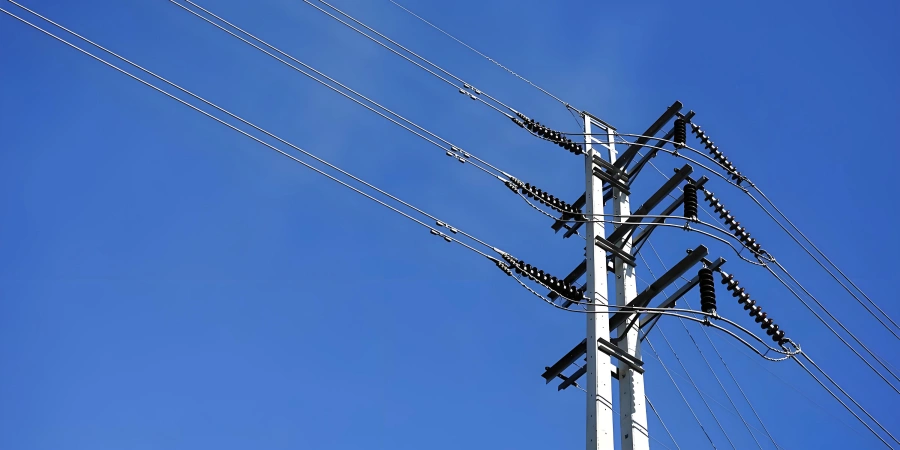
The Danger of Power Lines
In construction, 37% of deaths from electric shock involve overhead power lines (OSHA). You don’t even have to touch the wire—just being too close with something like a ladder or crane can be fatal. I once saw a crane driver avoid a serious accident because their machine had a proximity alert.
Safety Measures
-
Always stay at least 10 feet away from power lines—more if the voltage is high.
-
Use machines with 360° cameras and proximity warning systems to see and hear when you’re too close.
-
Some sites now use augmented reality (AR) to show workers safe zones—it really helps.
-
Always assume power lines are energized even if they don’t look active.
Tips That Work
Train workers to spot lines and use warning systems. A big client I know installed cameras on cranes, preventing accidents. Regular checks and clear signage around lines reinforce safety, keeping everyone out of harm’s way.
Regular Safety Training
Training builds a safety-first mindset. I’ve seen untrained workers take risks that training could prevent. Why is it so important?
Regular training keeps people aware of dangers and shows them the right way to work. It can reduce accidents by up to 68% (Safety Training Impact).
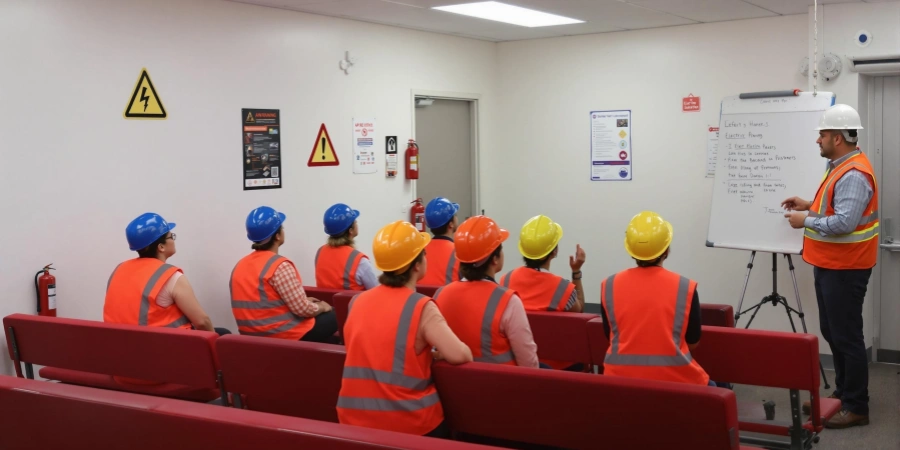
Why Training Works
When workers don’t get training, they often miss danger signs or make mistakes. Holding training every few months really helps. Using virtual reality (VR) can be even better—it helps people spot danger faster, like arc flashes. I saw a team feel more confident after just one VR session.
What to Cover
Include arc flash awareness, safe work practices, and what to do in an emergency. Match the training to the actual workplace’s risks. A client I worked with used VR to show workers how to stay safe around high-voltage lines. It helped cut down mistakes.
Building a Safety Culture
Training should be more than just a rule—it should feel like a part of the job. Encourage people ask questions and use real examples from the worksite. When people understand safety, they can protect themselves and each other.
Applying Hierarchical Risk Controls
The Hierarchy of Controls from NIOSH is a simple, systematic method to make work safer. I’ve seen companies make huge safety improvements by using it. But how does it actually work?
Applying hierarchical risk controls enhances safety by prioritizing hazard elimination, followed by substitution, engineering controls, administrative controls, and PPE.
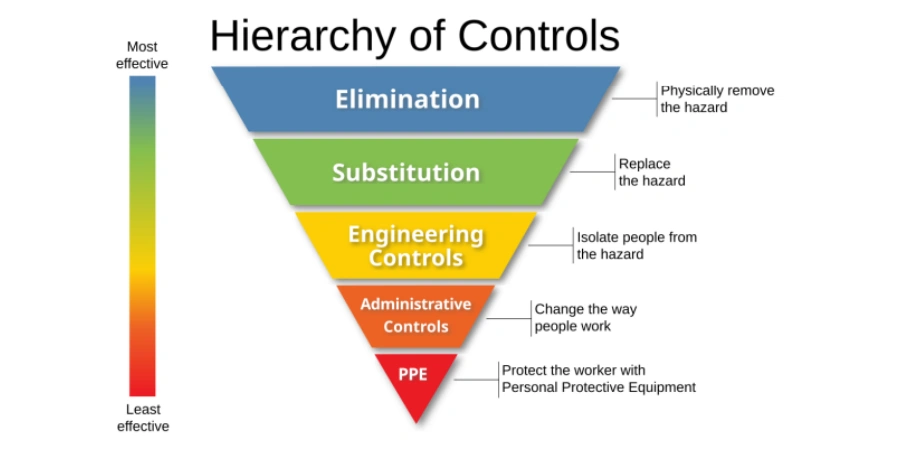
What Are the Steps?
-
Elimination – Remove the hazard completely.
Example: Use lower-voltage systems instead of high-voltage ones. This alone can cut deaths by 23%. -
Substitution – Use something safer.
Example: Replace 480V tools with tools under 50V to avoid shocks. -
Engineering Controls – Change the equipment or setup to make it safer.
Example: Use machines that shut off power automatically. -
Administrative Controls – Change the way people work.
Example: Regular safety checks and updated procedures. -
PPE (Personal Protective Equipment) – Use gear like gloves or smart uniforms as a last resort.
Why It’s Effective
This layered method doesn’t just depend on one solution—it builds stronger safety by combining several layers. It focuses on removing the danger itself, not just covering it up.
Be Ready for Emergencies
Even with prevention, accidents can still happen. Why are emergency plans so crucial?
Having an emergency plan means your team can act quickly and correctly if something goes wrong. It can reduce deaths by 42% during electrical accidents. (Emergency Response Study).
What Your Emergency Plan Needs
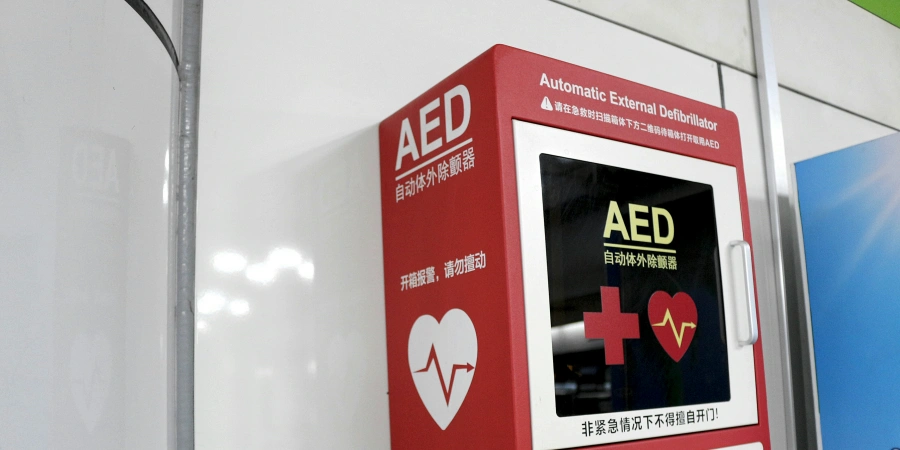
An emergency plan should explain how to safely rescue someone from high-voltage areas, how to use an AED (automatic external defibrillator), and how to treat electrical burns. Teams should practice the plan every month. Also, emergency stop systems that shut off power in under 0.5 seconds are very important. I saw a worker’s life saved because the team had practiced and followed this plan.
How to Put It in Place
To make the plan work, hold regular practice drills. Place AED devices near all high-risk electrical areas. Teach all workers how to respond to shocks and burns. Everyone should know their role and where to find emergency tools. One company I helped installed fast shutdown systems and was able to respond much more quickly in an emergency.
Use Technology to Prevent Problems
Smart technology like IoT can stop accidents before they happen. I’ve seen it prevent fires and save expensive equipment. So how does it help?
IoT (Internet of Things) uses sensors to watch machines in real time. It spots problems like overheating or shaking before they turn serious.

How IoT Works
Sensors check things like temperature and vibration. They can predict problems 14 to 21 days before something breaks. Thermal imaging help find hot spots early, and AI analyzes data for precise maintenance timing.
How to Set It Up
Add sensors on your most important machines and link them to your regular maintenance plan. Teach your team how to read the alerts and respond. This isn’t just fancy tech—it’s a smart, life-saving tool.
More Than Just Safety
This kind of system also helps your machines last longer and cuts downtime. It makes your whole workplace safer, faster, and more efficient.
Final Thoughts
Electrical safety isn’t about luck—it’s about making smart choices every day. Use proper gear, check equipment, follow safety steps, and train your team. Most accidents are preventable if you stay alert and take action. A safe workplace saves workers, avoids injuries, and keeps work running smoothly. Don’t cut corners—safety always comes first.