
Most people think of circuit breakers only in terms of how they work—switching, tripping, protecting electrical circuits. But long before a breaker ever does its job, its reliability is quietly shaped by where and how it’s stored, sometimes months or even years in advance.
Poor storage conditions don’t announce themselves. Temperature swings, moisture, and careless handling quietly weaken materials, calibration and insulation strength over time. The breaker may still look brand new, but its internal parts tell a different story once it’s put to use.
True reliability begins long before installation. It lives in the unnoticed details—the air around the shelves, the temperature of the room, the way a box is stacked or sealed. Every small storage decision adds up, quietly deciding whether a circuit breaker performs flawlessly or fails when it’s needed most.
Keeping the Right Temperature for Storage
One of the biggest mistakes people make with circuit breakers isn’t how they use them—it’s how they store them. Temperature might seem like a small detail, but I’ve seen perfectly good breakers fail simply because someone thought an unheated garage would work fine through winter. It doesn’t.
Why Temperature Matters More Than You Think?
Circuit breakers are precision devices. Their internal components respond to heat and cold just like any other piece of electrical equipment. Early in my career, I assumed they were tough enough to handle anything. That changed when I visited a warehouse where several pallets of breakers had been kept in an uninsulated shed all winter. When those units were finally installed, nearly 10% showed performance issues. That’s when I realized—temperature control isn’t optional; it’s essential.
The ideal storage temperature for circuit breakers is between -10°C and 40°C (14°F to 104°F). Modern breakers, especially those with delicate electronic trip units, need even more precise tighter control—around 5–25°C (41–77°F).
However, most people overlook an important point: staying within those limits isn’t enough. For the best results, try to keep the temperature steady between 20°C and 25°C (68°F to 77°F). These numbers aren’t random—they’re based on how the materials inside a breaker react to temperature changes and thermal stress.
The real danger isn’t just extreme heat or cold—it’s fluctuation. When temperatures swing 20 degrees between day and night, metal parts expand and contract, and plastic housings can warp slightly. Over months of storage, these small changes add up. The internal calibration can drift, and suddenly a breaker that should trip at 20 amps might not trip until 22 or 23. That’s a safety issue waiting to happen.
Where NOT to Store Circuit Breakers?
Here’s what I’ve seen go wrong:
-
Attics get scorching hot—easily reaching 50°C (122°F) or more in summer.
-
Basements often flood or stay damp.
-
Outdoor sheds experience extreme temperature swings.
-
Even standard warehouses without climate control can cause problems in harsh climates.
I always tell people: if you wouldn’t want to spend eight hours there yourself, don’t store sensitive electrical equipment there either.
The best setup I’ve seen uses a dedicated utility room or closet with climate control. Nothing fancy—just consistent temperature and protection from the elements. Some facilities use temperature monitoring for electronic components to track conditions 24/7. For high-value inventory, that investment pays for itself quickly.
Controlling Humidity the Smart Way
If temperature is the first thing that can ruin stored breakers, humidity runs a close second. Actually, in many climates, I’d say humidity causes more problems than temperature. Here’s why.
The Silent Killer: Moisture and Corrosion
Everyone knows water and electricity don’t mix. But what surprises most people is how little moisture it takes to cause real damage. You don’t need standing water or visible dampness. Just consistently high humidity, day after day, can slowly work its way into the internal components.
The target humidity range for safe storage is 30–80% relative humidity, but you’ll get the best results between 30–60%. Stay within that zone and you’re in good shape. Go much higher, and problems start creeping in.
What many people miss is how humidity damage actually happens. It’s not just about moisture in the air—it’s about what occurs when temperature drops inside storage containers.
Here’s how it works: warm air holds more moisture than cold air. During the day, your storage area heats up and the air absorbs moisture. At night, temperature drops. The air can’t hold as much moisture anymore, so it condenses on the coolest surfaces—which often include the metal components inside your circuit breakers. This cycle repeats every single day. It’s like a slow, invisible drip of water onto your equipment, even inside sealed packaging.
Practical Humidity Control Methods
The good news is that controlling humidity in check doesn’t need expensive devices for most situations.
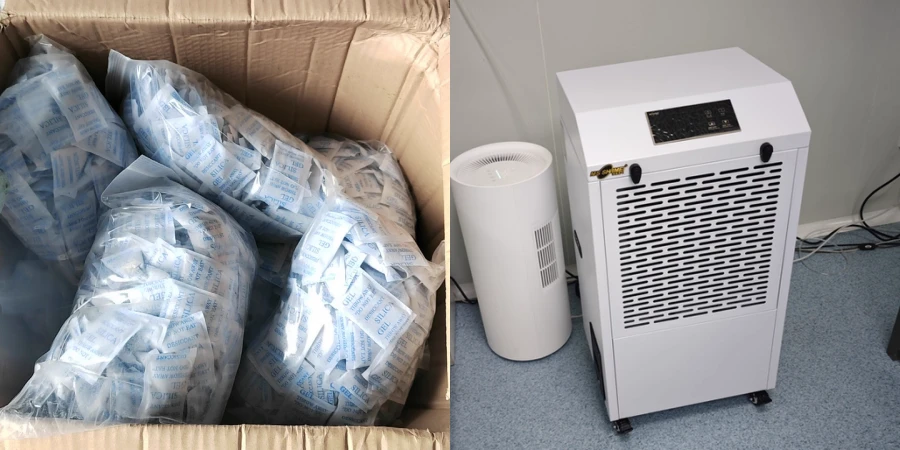
For small quantities, desiccant packages work great. Those little silica gel packets you see in electronics packaging are there for a reason. If you’re storing breakers in sealed containers, throw in a few moisture-absorbing packets. They’re cheap insurance.
For larger spaces, a basic dehumidifier makes a huge difference. Many facilities in humid areas run a residential-grade unit 24/7 in their electrical storage room. It might cost $50 a month in electricity but can prevent thousands of dollars in damage.
You can also use a hygrometer (humidity meter) to monitor conditions—they cost $20-30 and give you peace of mind.
Here’s a quick comparison of humidity control methods that I’ve seen work:
| Method | Best For | Cost | Effectiveness |
|---|---|---|---|
| Desiccant packets | Small quantities, sealed containers | Very Low ($5–20) | High (in enclosed spaces) |
| Room dehumidifier | Medium storage areas (100–500 sq ft) | Medium ($150–300 + electricity) | Very High |
| Climate-controlled room | Large inventories, long-term storage | High (hundreds monthly) | Excellent |
| Ventilation fans | Moderate climates, air circulation | Low ($50–100) | Moderate |
One tip Iearnt from my manager: if you’re storing breakers in their original packaging, don’t open the boxes until you’re ready to use them. Manufacturers pack them under controlled conditions. Every time you open and reseal a box, you introduce new moisture from your storage environment. Leave them sealed whenever possible.
Choosing the Right Storage Boxes and Packaging
This is where I see the biggest differences in how people handle storage. Some are cautious about packaging; others just stack boxes on shelves and hope for the best. The right approach depends on your situation—but there are a few universal principles worth following.
The Original Packaging Advantage
Here’s my standard advice: if the breaker came in manufacturer packaging, leave it there until installation day.
I can’t count how many times I’ve seen people unpack equipment immediately "to organize it better" or "to check that everything arrived okay." Then they store the bare breakers in generic bins or on open shelves. Six months later, they’re wondering why there’s dust inside the units or why contact points look tarnished.
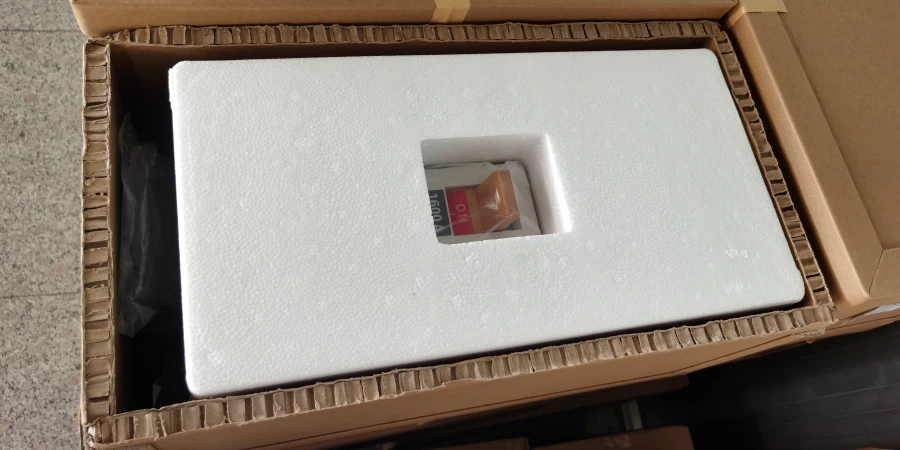
Manufacturers design packaging to protect during shipping, yes, but also during storage. They use moisture barriers, anti-static materials, and protective foam that positions the breaker to prevent stress on internal components. That packaging isn’t just a shipping container—it’s actually the ideal short-term storage solution for most applications.
That said, manufacturer packaging works best for storage periods under 12 months. Beyond that—or if you’re storing large quantities in a warehouse—you may need more durable solutions.
When You Need Alternative Storage Solutions
Sometimes original packaging isn’t practical. Maybe you’re managing inventory for a large facility. Maybe you bought breakers in bulk without individual boxes. Or maybe you need to organize dozens of different breaker types in a way that makes them easy to find and access. In these cases, you need proper storage containers.
According to ABB’s packing guidelines, professional-grade containers should be ventilated, dustproof, and moistureproof—all at once. That might sound contradictory, but it’s not. You want air circulation to prevent trapped moisture, while keeping dust and contaminants out. The solution is containers with filtered vents or breathable materials that block particles but still allow limited air exchange.
For long-term storage (12–24 months), look for containers with these features:
-
Water-resistant construction (treated plywood or high-grade plastic)
-
Aluminum foil moisture barriers for critical applications
-
Dividers or compartments to separate individual breakers
-
Anti-static materials or linings for electronic components
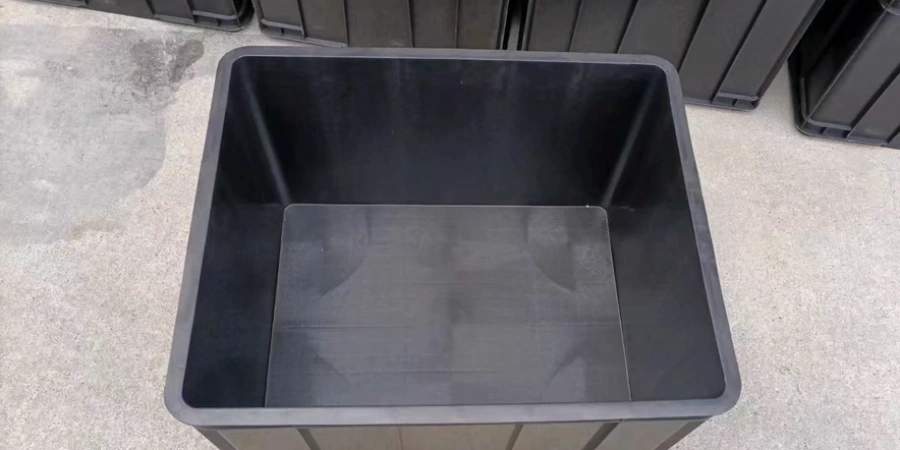
That last point—anti-static protection—is especially important. Older mechanical breakers were fairly resistant to static discharge, but modern breakers often include sensitive electronic parts. Electrostatic discharge (ESD) can damage them even before installation. If you’re storing these types, use anti-static storage boxes or bags. This matters more than most people think.
Sealed vs. Ventilated: Getting the Balance Right
One common question that often comes up is: Should breakers be sealed tight or stored in ventilated containers?
The answer is both, in a way. You need protection from moisture and dust, but you also don’t want to trap moisture inside with the breaker. That’s why ESD packaging solutions often use special materials that form a protective barrier while still allowing limited airflow.
Here’s a practical guide to choosing the right packaging setup:
| Storage Duration | Packaging Approach | Additional Protection |
|---|---|---|
| Under 6 months | Original packaging, sealed | None needed in climate-controlled areas |
| 6–12 months | Original packaging or quality plastic bins | Add desiccant packs and inspect periodically |
| 12–24 months | Professional containers with moisture barriers | Climate control, monitoring, anti-static protection |
If you’re storing in a well-controlled environment (stable temperature, low humidity), simple sealed containers work fine. But if your storage conditions are less than ideal, ventilated containers with desiccants give better results. The moisture inside can escape rather than condensing on the breaker.
How to Handle and Store Breakers Safely?
A circuit breaker is tougher than it looks—but it’s not indestructible. Many breakers survive cross-country shipping only to get damaged later in a storage room because someone didn’t know the basic handling rules. The good news? These problems are easy to avoid once you know what not to do.
The Stacking Problem Nobody Talks About
Here’s something that surprises a lot of people: circuit breakers are not stackable. Period.
It doesn’t matter whether they’re boxed or unboxed—stacking them creates pressure points that can crush or bruise the housing. The plastic enclosures might look solid, but they’re not built to support weight from above. Even light pressure, over weeks or months, can cause tiny cracks you won’t see until you try to mount the breaker.
According to professional packing guidelines from Schneider, breakers should be stored individually with space between each unit. If you’re storing multiples, use shelving with separate compartments or dividers—think of how wine bottles are stored, each in its own slot. Circuit breakers deserve that same level of care.
Another issue I see regularly all the time is rough handling during setup or removal. Circuit breakers contain finely tuned internal mechanisms. Drop one from waist height, and you might knock that calibration out of alignment. The breaker might still work—but it could trip at the wrong current level. That’s a safety hazard you won’t discover until it’s too late.
Standing Up or Lying Down?
People often ask: Does orientation matter? Should breakers be stored vertically or horizontally?_
The honest answer is that both can work—if done correctly.
Breakers can be stored standing upright or lying flat. The key is stability. If they’re upright, make sure the surface is level and solid so nothing tips over. Larger, heavier breakers usually do better upright, since laying them flat can put uneven stress on the housing. Smaller residential breakers can be stored either way without issue.
What matters more than orientation is preventing movement. Secure each breaker so it can’t shift, slide, or fall. I’ve seen storage shelves where breakers were just sitting loosely—and one bump sent them crashing to the floor. Even a short drop onto concrete can cause internal damage that’s not visible but still important.
Here’s one last tip from experience: When you receive breakers from a supplier, inspect the packaging right away. Look for crush cones on the tops of boxes—those little dimples that show the package was compressed during shipping. If you see them, check the breaker inside before signing off on delivery. A crushed box often means a damaged unit. You don’t want to discover that on installation day.
Protecting Breakers from Their Environment
Temperature and humidity get most of the attention, but other environmental factors can quietly ruin stored circuit breakers. Some are obvious once you think about them; others catch people completely off guard.
Dust, Dirt, and Contamination
Dust seems harmless—until it isn’t.
Here’s what happens when dust infiltrates a circuit breaker:
-
It settles on contact points and conductors, disrupting electrical conductivity.
-
In humid environments, dust absorbs moisture and speeds up corrosion.
-
In severe cases, it can even create unintended conductive paths, leading to short circuits or outright failure.
The solution is simple: store breakers in enclosed spaces, not on open shelving. Keep storage areas clean. If you’re in a particularly dusty environment—near manufacturing, construction, or in agricultural areas—consider sealed containers with gaskets. It also helps to have decent air filtration. Even basic HVAC filters catch most dust particles before they settle on equipment.
Grease and oil contamination pose similar risks. This often happens when electrical components are stored in the same area as automotive parts or machinery. Over time, airborne oil mist coats everything. On a circuit breaker, that film can interfere with internal mechanisms and even create fire hazards once energized.
Electromagnetic Interference and Electrical Fields
Here’s a less obvious threat: electromagnetic interference (EMI). Can electromagnetic fields really affect breakers in storage? For older mechanical models, not much. But modern electronic circuit breakers with solid-state components can absolutely be affected by strong nearby fields.
The practical takeaway: don’t store circuit breakers next to high-powered electrical equipment, transformers, or transmission lines. It sounds like common sense, but I’ve seen many storage rooms placed right beside power distribution gear under the logic that “it’s all electrical stuff anyway.” It’s not the same thing. Your storage area should be away from sources of strong electromagnetic fields.
Sunlight, UV, and Chemical Exposure
Ultraviolet (UV) light from direct sunlight can degrade plastic over time. Breaker housings are made from durable materials, but not UV-proof ones. When breakers are exposed to sunlight for extended periods, especially near windows, their plastic housings can become brittle and discolored within a year. This weakens the structure and increases the risk of cracking during installation or operation.
The solution is straightforward: keep breakers out of direct sunlight. Use blinds, UV-blocking film, or simply position shelving away from windows. The best setup is an indoor, enclosed space—ideally a room or closet with no windows at all.

Chemical exposure is less common but far more destructive. In coastal areas, salt spray can accelerate corrosion dramatically. Industrial facilities may have chemical vapors from manufacturing processes. Even something as simple as storing breakers near cleaning products can cause damage if those products contain strong solvents or acids.
My suggestion: create a dedicated storage space for electrical equipment—separate from chemicals, moisture sources, or airborne contaminants. Treat it like a mini clean room, even if it’s just a utility closet. That small step pays off hugely in long-term reliability.
Here’s a quick reference for environmental hazards and solutions:
| Hazard | Risk Level | Protection Method |
|---|---|---|
| Dust and particles | High | Enclosed storage, filtered ventilation |
| Oil/grease contamination | Medium | Store separately from machinery areas |
| Electromagnetic fields | Medium | Keep 10+ feet away from power equipment |
| Direct sunlight / UV | High | Indoor storage, no window exposure |
| Salt spray / coastal air | Very High | Climate-controlled, sealed containers |
| Chemical vapors | High | Dedicated electrical storage area |
Checking and Maintaining Stored Breakers
Here’s where many facilities drop the ball: they set up perfect storage conditions—and then forget about the equipment for months or even years. But proper storage isn’t a “set it and forget it” situation. Regular inspections catch small problems before they become expensive failures.
Why Inspection Matters During Storage?
Circuit breakers can deteriorate quietly even in good storage environments. It’s slow and subtle, but it happens. A small leak lets in humid air. A climate control system malfunctions over a weekend. A water pipe develops a slow drip. Any of these can compromise breakers in storage if no one is checking.
I recommend you to inspect your stored equipment regularly. For most facilities, quarterly checks are enough. In harsher environments—coastal areas, humid regions, or older buildings—monthly inspections make more sense. For high-value or critical inventory, some facilities inspect weekly.
What to Look For During Inspections?
When you inspect stored circuit breakers, look for any signs of environmental damage or deterioration. Start with the obvious exterior, then check the packaging.
-
Corrosion: Look for rust or oxidation on exposed metal parts. Even light rust indicates a moisture problem.
-
Housing condition: Check for cracks, discoloration, or brittleness. If the plastic looks faded or chalky, UV exposure has likely degraded it.
-
Packaging: Watch for water stains, tears, or any breach that could let in dust or moisture.
Open a few packages (not all—remember, sealed packaging protects the contents) and check inside. Any moisture buildup? Condensation? Unusual odors suggesting chemical exposure or degradation? These are red flags that storage conditions need adjustment.
A simple inspection checklist helps a lot. It doesn’t need to be complicated—just a list of key points to review and space for notes. Keeping written records lets you spot patterns. For example, if you notice gradual discoloration across several inspections, that’s an early warning that something in your environment is off.
Documentation and Record-Keeping
Documenting inspections might seem tedious, but it’s incredibly valuable. Keep a storage log that includes:
-
The date breakers entered storage
-
Inspection dates and any issue findings
-
Temperature and humidity readings
-
Any corrective actions taken
Why bother with documentation?
-
Proof of proper maintenance — If something goes wrong, you can show manufacturers or insurers that you stored equipment correctly.
-
Inventory management — It help you rotate stock efficiently, using older items first to prevent ones from sitting in storage indefinitely .
-
Environmental optimization — As you keep inspecting and recording results, you’ll start to see the same problems come up — and you can take steps to fix them.
When to Take Action?
Finding a problem is one thing. Knowing what to do about it is another. Here’s my general guidance:
-
Minor surface rust: You can sometimes clean it off, but for critical systems, replacement is the safer choice. The cost of a new breaker is minimal compared to the risk of failure.
-
Moisture inside packaging: Move the unit to a drier environment immediately. Allow it to dry completely before use, and test it before installation if possible.
-
Cracks, corrosion, or damage: Do not use the breaker. Dispose of it properly and replace it.
Keep it Simple
The process doesn’t need to be complicated:
-
Set a schedule.
-
Stick to it.
-
Document what you find.
-
Act on any issues right away.
Do those four things, and you’ll prevent small issues from turning into costly problems—ensuring your stored breakers remain reliable and ready when you need them.
Conclusion
The best time to protect a circuit breaker isn’t when it fails—it’s long before installation. Storage conditions shape performance more than most people realize. A few small precautions today can prevent costly downtime later, and that’s what smart maintenance is really about.