
A few years ago, I visited a friend’s house during a storm. Suddenly, the power went out, and we all sat in the dark, wondering when the lights would come back. That moment got me thinking—how does electricity usually get to our homes, and what happens behind the scenes when it suddenly stops? So, I decided to find out more.
Electricity travels from power plants through a network called the electrical grid. This grid has high-voltage power lines, substations, and smaller distribution lines. The voltage is made very high to travel long distances easily, then lowered to a safe level before it reaches your home. This way, electricity gets to us safely and without losing too much power.
The more I learnt, the more I realized how fascinating and complex this system really is. It’s not just wires and poles—it’s a careful balance of technology and teamwork that keeps our lights on and devices working. Let me show you how it all works.
The Basics of Electricity Delivery
Have you ever wondered where your electricity comes from? It’s not magic, though it might seem like it sometimes. Understanding the basics can help you appreciate the system and maybe even save some money on your bill.
The electricity delivery starts with generation at power plants using various energy sources, then travels long distances through high-voltage transmission lines, and finally reaches homes and businesses through lower-voltage lines—all managed by the electrical grid.
Understanding the Process
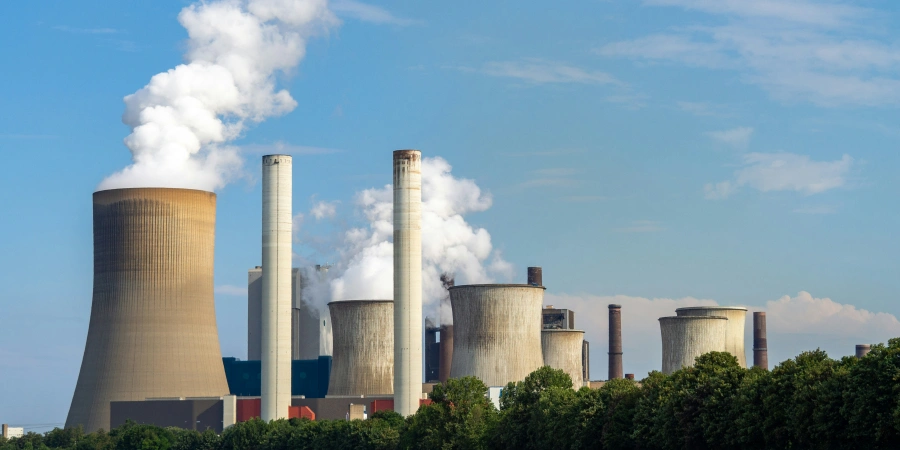
So, let’s start at the beginning. Electricity generation is the first step. Power plants use different sources to create electricity: coal, natural gas, nuclear, hydroelectric, solar, wind—you name it. Each has its pros and cons, but the goal is the same—to turn energy into electricity.
Take a coal plant, for example. coal is burned to heat water, creating steam that spins turbines, which then generate electricity. It’s a bit like how a bike dynamo works, just on a bigger scale. Related Reading: Different Types of Power Plants Explained: from Fossil Fuels to Solar and Beyond
Once electricity is generated, it electricity needs to get to you, and that’s where the grid comes in. The electrical grid is like the highway system for electricity. It’s made up of power lines, substations, transformers, and other equipment, all working together to move electricity from where it’s made to where it’s needed.
In the U.S., the grid is divided into three main interconnections: the Eastern, Western, and Texas Interconnections. These regional networks help share power between areas to keep things running smoothly. If one area has more electricity than it needs and another doesn’t have enough, the grid helps balance it out.
Why Is the Grid So Important?
Why do we need such a complex system? Because electricity isn’t easy to store in large amounts. That means it has to be generated and used almost at the same time. The grid needs to stay in constant balance—supply has to match demand every second of the day. It’s a delicate dance, and it’s why we have control centers monitoring everything 24/7.
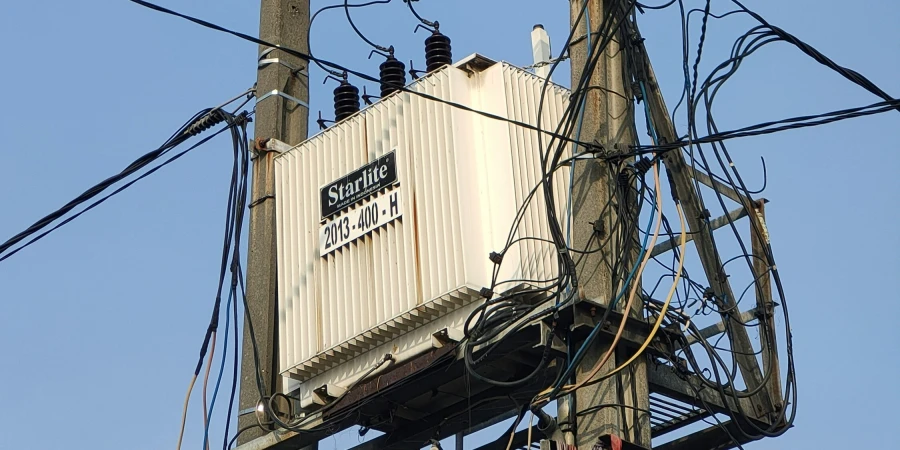
Now, let’s think about how this affects you at home. When you turn on a light, you’re tapping into this huge system. But how does the electricity get to you? It’s all about voltage. High-voltage lines are used for transmission because they can carry a lot of power over long distances with less loss. Then, as electricity gets closer to your neighbourhood, transformers reduce the voltage to make it safe to use in your home.
A Personal Take
I remember once, I was at a site where electricians were installing a new transformer. A local resident came by, curious about what they were doing. He said, “I always see these big metal things, but I never knew what they were for.” I explained that transformers are important because they adjust the voltage of electricity. Without them, we couldn’t safely use electricity in our homes. It’s kind of like needing a voltage converter when traveling to a country with different electrical standards.
How Does the Electrical Grid Work?
Now that we’ve covered the basics, let’s zoom in on the electrical grid itself. It’s the backbone of our electricity supply.
The electrical grid is a massive, interconnected network of power lines, substations, transformers, and control systems that transmit and distribute electricity from where it’s generated to where it’s used—safely, efficiently, and reliably.
Grid Structure and Function
The electrical grid is often called one of the greatest engineering achievements of the modern age, and I couldn’t agree more. It connects thousands of power plants to hundreds of millions of homes and businesses. But how does this system actually together?
The grid has three main parts:
-
Generation – where electricity is produced.
-
Transmission – where electricity travels long distances on high-voltage lines.
-
Distribution – where electricity is delivered to homes and businesses at lower voltages.
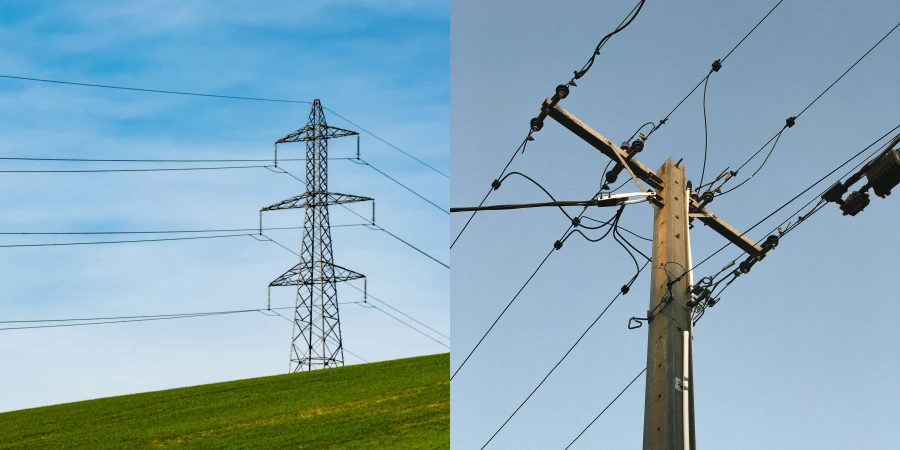
The transmission system uses high-voltage lines, which are those tall towers you see with thick wires. These lines can carry electricity hundreds of miles with minimal loss because of the high voltage. Voltage is like the pressure that pushes electricity through the wires; higher voltage means less resistance and less energy lost as heat.
Substations and Distribution
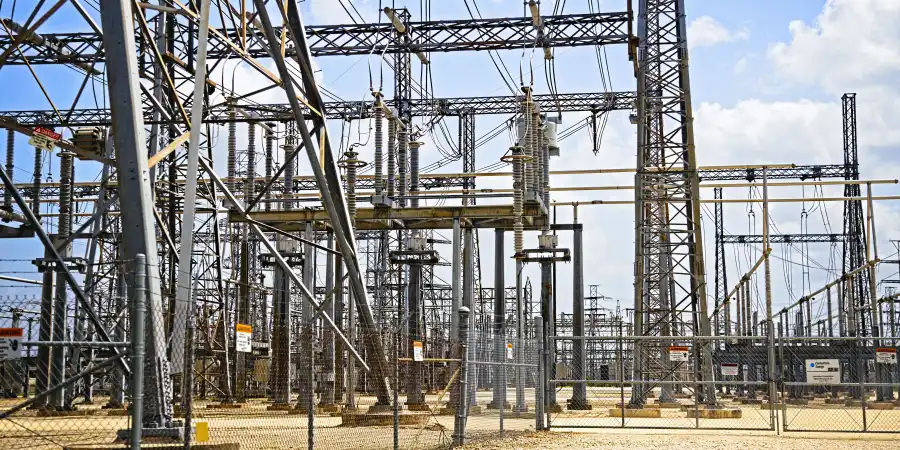
Next, we have substations. These are like rest stops for electricity. They take the high-voltage power from transmission lines and step it down to lower voltages suitable for distribution. Substations also help in switching power flows and keeping the grid stable.
From there, electricity moves onto distribution lines—the wires you see in your neighborhood, often on wooden poles or underground. These carry electricity at lower voltages, like 4,160 volts or 12,470 volts. Before it reaches your home, transformers step it down again to the standard 120/240 volts that your appliances use.
Balancing the Grid
Now, one thing that always impresses me is how the grid maintains balance. Electricity has to be used as soon as it’s made because storing large amounts is still difficult. But demand fluctuates throughout the day—think about morning when everyone’s making coffee, or evening when lights and TVs come on.
Power plants have to adjust their output to match this demand. If supply exceeds demand, you get overgeneration, which can destabilize the grid. If demand exceeds supply, you get brownouts or even blackouts.
To manage this, grid operators use sophisticated control systems and forecasting tools. They can also rely on power from neighboring regions if needed, thanks to those large interconnections we mentioned earlier.
A few years back, there was a heatwave in our area, and air conditioning use skyrocketed. The grid was under stress, and we had to bring online some peaker plants—those that only run when demand is high. It’s like having a reserve team in sports; they don’t play every game, but when you need them, they’re there.
Efficiency and Renewables
Another interesting aspect is the use of three-phase AC power. Most transmission and distribution systems use three-phase power because it’s more efficient. It’s like having three separate waves of electricity working together, which allows for smoother power delivery and better use of equipment.
I also want to mention the role of renewable energy in the grid. With more solar and wind power coming online, the grid needs to adjust to work with sources that aren’t always available. That’s why we’re seeing more battery storage and smart grid technologies, which can store excess power when the sun is shining or the wind is blowing and release it when needed.
In short, the electrical grid is a dynamic, interconnected system that has to be carefully managed at all times. It’s a great example of what people can build when working together—sometimes across entire states or even countries.
So, next time you plug in your phone, remember there’s a whole world of technology and people working behind the scenes to make it possible.
The Five Steps of Electricity Delivery
Now, let’s break down the journey of electricity from the power plant to your home into five key steps. This will give you a clear picture of how it all comes together. Once you see how it works, it’s easier to understand than it sounds.
The five key steps are: 1) Generation at power plants, 2) Transmission through high-voltage lines, 3) Substations where voltage is reduced, 4) Distribution via lower-voltage lines, and 5) Final transformation to household voltage.
Step-by-Step Breakdown
Let’s walk through each of these steps in more detail.
Step 1: Generation
As we mentioned, electricity is generated at power plants using various fuel sources. Once generated, it’s at a relatively low voltage, typically around 10-25 kilovolts (kV).
Step 2: High-Voltage Switchyard
Right after generation, the electricity goes to a switchyard where large transformers step up the voltage to very high levels, like 220 kV to 765 kV. This high voltage is necessary for efficient long-distance transmission. Think of it like how water flows better through a wider pipe; high voltage allows more power to flow with less loss.
Step 3: Transmission Lines
From the switchyard, electricity travels through transmission lines. which are those tall towers with thick cables. These lines can span hundreds of miles, carrying power from power plants to cities or towns. They are often located in remote areas.
Step 4: Substations
Along the way, substations lower the voltage step by step—from really high levels down to medium levels—depending on where the electricity is going. Substations also have equipment to protect the system from problems, like circuit breakers.
Step 5: Distribution Lines and Transformers
From substations, electricity is distributed through lower-voltage lines, typically 4 kV to 35 kV, to neighborhoods. Then, distribution transformers, which you might see on poles or in green boxes on the ground, step the voltage down further to 120/240 volts, which is what your appliances use.
Emerging Trends
It’s worth noting that while we’re focusing on the traditional grid, there’s a growing trend towards microgrids and decentralized energy systems, especially with the rise of renewables. But that’s a topic for another day.
In short, the five steps—generation, switchyard, transmission, substation, and distribution—show how electricity makes its way safely and efficiently from the power plant to your home.
Why Do We Need Voltage Transformations?
You might be wondering, why all this fuss about voltage? Why can’t we just generate electricity at the voltage we need and be done with it? Well, there’s a good reason for all these transformations, and it’s all about efficiency and safety.
Voltage transformations help reduce energy losses during transmission and make electricity safe for homes and businesses. High voltage is used for long-distance transmission to cut losses, while low voltage is used nearby for safety.
Efficiency in Transmission
When electricity flows through a wire, some of it is lost as heat due to the resistance of the wire. The amount of loss depends on the current (amperage) flowing through the wire. According to Ohm’s law, power loss growsl with the square of the current. So, less current means less less.
Here’s how voltage helps: for a given amount of power (watts), if you increase the voltage, you can decrease the current, since Power = Voltage × Current. So, by stepping up the voltage for transmission, we lower the current and cut losses.
For example, if you transmit 100 MW at 100 kV, the current is 1,000 amps (since 100,000,000 W / 100,000 V = 1,000 A). But at 500 kV, the current drops to just 200 amps (100,000,000 W / 500,000 V = 200 A). Since losses are proportional to the square of the current, reducing the current from 1,000 A to 200 A reduces losses by 25 times (1,000² / 200² = 25). That’s huge!
Safety in Distribution
So, that’s why we step up voltage for transmission. Now, why step it down? For safety and practicality.
High voltage is dangerous; it can cause electric arcs injuries or fires. So, before electricity reaches homes, we need to bring it down to a safe level. 120/240 volts is standard in the U.S. for residential use because it’s safe enough for everyday use but still provides enough power for most appliances.
Also, different devices need different voltages. Your phone charger might use 5V, while your oven uses 240V. So, within your home, there are further transformations, often handled by the devices themselves or by plugs and adapters.
Future Considerations
Looing ahead, as renewable energy grows, voltage management becomes even more important. Solar panels produce DC power, which must be converted to AC and adjusted to match grid voltages.
Voltage transformations are key to delivering electricity efficiently. They allow us to transmit power efficiently over long distances and ensure that it’s safe and usable when it reaches our homes. It’s a simple idea with a big impact on how we live and work.
Conclusion
Understanding how electricity makes its way to your home helps you appreciate just how complex and reliable the grid really is. From generation all the way to your meter, every step plays a key role in delivering power safely and efficiently.
As demand increases and renewable energy grows, the grid continues to evolve—moving us toward a cleaner, more sustainable future. Staying informed to make smarter energy choices.