
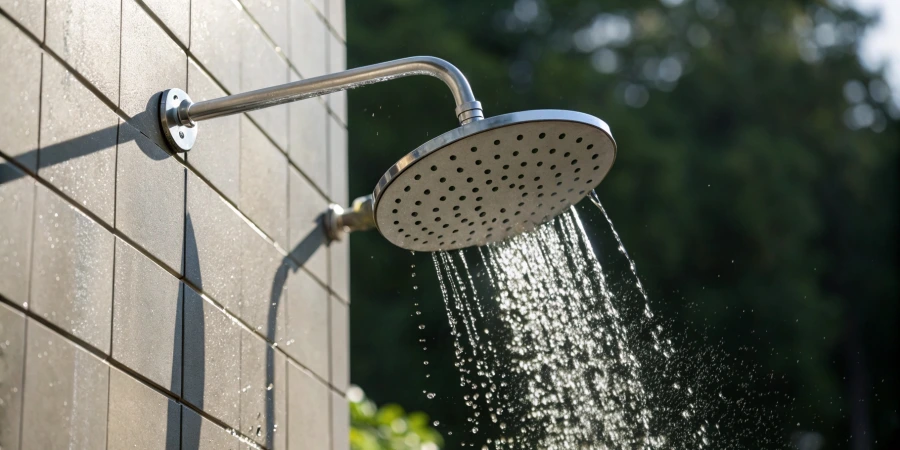
Imagine this: you’ve just come home after a long, dusty day. All you want is a hot shower to unwind—but thunder is rumbling outside. A friend of mine once mentioned their lights flickered and their water suddenly ran cold during a storm. The electrician later explained it was caused by a nearby lightning strike that disrupted their plumbing and water heater. Nothing serious happened—but it was a wake-up call.
Showering during a storm might seem harmless—but it carries real risks. Lightning can travel through your pipes, turning a relaxing shower into a dangerous situation.
You shouldn’t shower during a thunderstorm because lightning can strike your home and conduct electricity through metal pipes or even water, potentially shocking or injuring you. Every year, 10 to 20 people in the U.S. sustain lightning strike injuries from interactions with household water during a storm. Waiting 30 minutes after the last thunder is the safest bet.
When the sky growls, it’s not just the outdoors you need to worry about—danger might be waiting right behind your bathroom door.
Why Is Showering During a Thunderstorm Risky?
Many people wave off storm warnings, thinking a quick shower couldn’t possibly hurt. But lightning doesn’t care about your schedule—and ignoring the risk can be dangerous.
When lightning strikes your home or nearby, it can travel through plumbing and electrify the water. That means if you’re in the shower, you could get shocked.
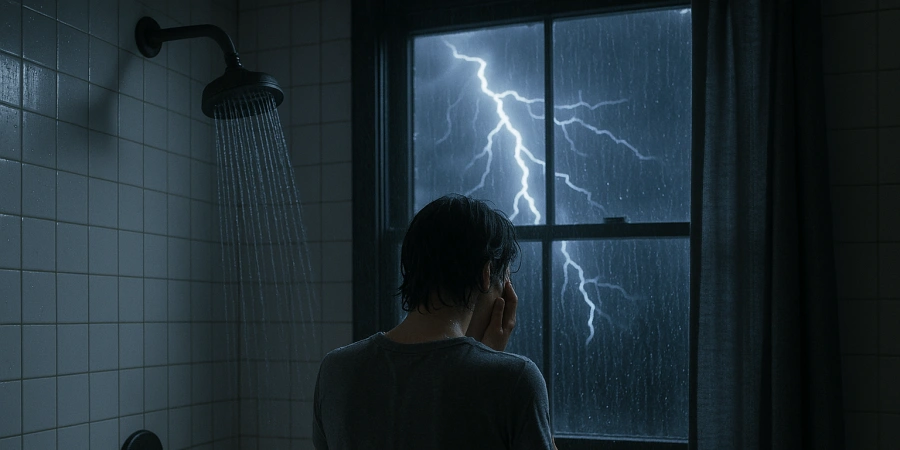
But let’s not stop at knowing it’s dangerous. Understanding how this happens can help you appreciate why it’s so important to take precautions.
How Lightning Gets Into Your Home?
The aftermath of lightning strikes could be terrible—fried circuits, damaged appliances, and worse. Lightning is unpredictable, and it can enter your home in several ways: a direct strike to your roof, a side flash from a nearby tree, or even through the ground if your home’s plumbing or wiring connects to conductive paths. When lightning hits, it’s looking for the easiest route to the ground, and metal pipes in your home are like a highway for electricity.
Every year, around 10–20 people are injured each year in the U.S. when lightning travels through household water systems. While that number might seem low, the danger is real. Lightning that strikes near a home—such as a utility pole—can send current through the ground and into plumbing systems, especially those with copper pipes. Even indirect strikes can result in electric shocks or burns for anyone using water at the time.
Myths That Make People Take Risks
A lot of people think, “My house has never been hit, so I’m fine.” But lightning doesn’t need to strike your house directly. It can hit a power line, a tree, or even the ground nearby, and the electrical surge can still reach your plumbing.
Another common myth is that only old homes with metal pipes are at risk. Well, that’s not true. Even modern homes with PVC pipes aren’t safe because tap water, full of minerals and impurities, can conduct electricity. The risk is lower, but it’s still there.
Regardless of the plumbing type, electrical surges can still jump to your wiring. The safest homes are those equipped with proper grounding and sensitive Miniature Circuit Breakers (MCB) to cut off power instantly during anomalies.
Why You Should Care
These injuries aren’t just random statistics—they’re real people, often caught off guard during everyday things like showering or washing dishes.
In my work, I’ve seen how a little knowledge can prevent a lot of pain. So when a thunderstorm rolls in, hit pause on your shower. It’s a simple step that could protect you from a serious injury.
How Does Lightning Interact with Plumbing?
Lightning doesn’t just strike and disappear—it looks for a path to the ground. And sometimes, that path runs right through a home’s plumbing.
When lightning hits a house or strikes nearby, the electrical current can travel through metal pipes—or even through the water inside plastic pipes. That’s because water, especially tap water with minerals and impurities, conducts electricity. According to the National Weather Service, this makes household plumbing a potential route for lightning’s energy.
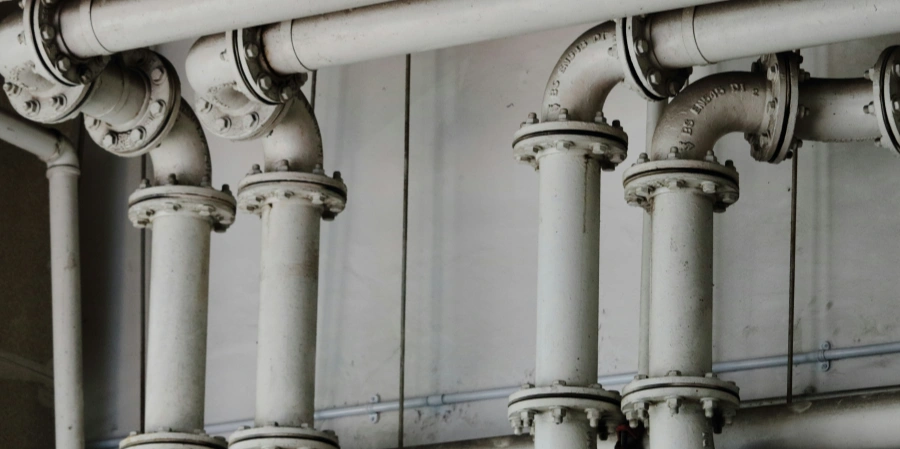
Understanding how this works explains why using water during a thunderstorm can be risky.
The Science of Lightning’s Path
Lightning is a powerful electrical discharge that always seeks the path of least resistance to the ground. Metal pipes in your home—copper or galvanized steel—are excellent conductors, making them a prime target. If lightning strikes a house, nearby tree, or power line, the current can jump into plumbing systems—even reaching neighboring homes via shared utility lines.
Even if your home uses PVC pipes, which don’t conduct electricity, the water inside can. Tap water contains minerals and impurities that make it conductive. The National Weather Service explains that this conductivity means a shower, sink, or washing machine can become a pathway for lightning’s energy. I remember a case where a homeowner’s dishwasher was fried because lightning surged through the water line during a storm. They thought they were safe indoors, but the water itself carried the current.
Beyond Direct Strikes
What surprises people is that lightning doesn’t need to hit your house to cause trouble. A strike up to 10 miles away can send electrical surges through the ground, especially in wet conditions. These surges can enter your home via underground pipes or wiring. In my experience, rural homes with well water systems are especially at risk because their pipes often extend deep into the ground, creating a direct path for lightning’s energy.
What This Means at Home
This is why you need to avoid any activity involving running water during a storm—showering, washing dishes, or even doing laundry. While surge protectors can help safeguard electrical systems, they don’t protect plumbing. The best choie is to pause water-related tasks during a thunderstorm. Waiting out the storm is a small inconvenience that helps avoid a serious hazard.
The 30-30 Rule for Lightning Safety
The 30-30 rule is a simple, science-backed way to stay safe during a thunderstorm. I’ve used this rule myself when storms hit during a job site visit—it’s a simple way to stay safe.
It works like this: if you see lightning and hear thunder within 30 seconds, the storm is close enough to be dangerous, so you should seek shelter immediately. Then, wait at least 30 minutes after the last thunder before going outsite again, per the National Weather Service.

Following the 30-30 rule can significantly reduce the risk of being struck by lightning.
Understanding the 30-30 Rule
The 30-30 rule is a practical tool for gauging a storm’s danger. The first part of the rule is based on the speed of sound. Thunder travels about one mile every five seconds. So, if you count 30 seconds between seeing lightning and hearing thunder, the storm is within about six miles. Since lightning can strike up to 10 miles from the storm’s center, anything under 30 seconds means you’re in the danger zone.
The second part—waiting 30 minutes after the last thunder—ensures the storm has moved far enough away. Many people rush outside too soon, thinking the storm’s over, only to hear another rumble. Resuming outdoor or water-related activities prematurely increases the chance of a surprise strike.
The “Bolt from the Blue”
“Bolt from the blue” refers to a rare but real phenomenon where lightning strikes well outside a storm—sometimes as far as 10 miles away—even when skies appear clear. These unexpected strikes are exactly why the 30-minute waiting period is so important.
There have been cases of people being injured while resuming outdoor activities too soon, such as working on fences or equipment shortly after thunder stops. The 30-30 rule helps account for these unpredictable events, giving a safety buffer that can prevent serious harm.
Why It Matters
In practical terms, the 30-30 rule means pausing outdoor work, skipping showers, and avoiding water use until it’s truly safe. Whether you’re on a job site, at home, or outdoors, this habit is an easy way to avoid unnecessary risk during a thunderstorm.
How to Protect Your Home from Lightning?
Lightning can cause serious—and expensive—damage to homes. Installing protection systems not only helps prevent structural and electrical harm, but also offers peace of mind during storm season.
According to NOAA, you can reduce lightning-related risks by using lightning rods, proper grounding, and surge protectors, all of which redirect dangerous electrical currents safely into the ground.
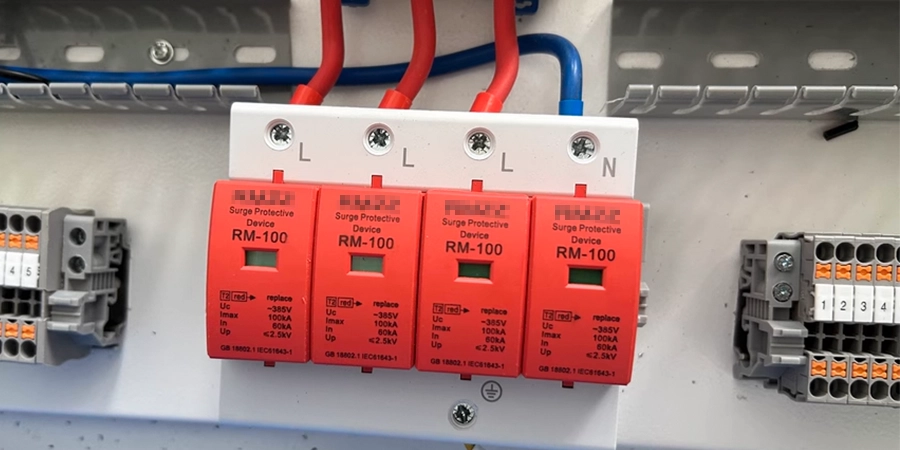
Let’s explore how these systems work and why they’re worth considering.
Lightning Protection Systems
Lightning rods are your first line of defense. They’re metal rods installed on the roof, connected to grounding cables that lead electricity safely into the ground. While they don’t stop lightning from striking, they prevent it from traveling through a home’s plumbing, wiring, or structure. The National Lightning Safety Institute recommends professional installation to ensure proper placement and grounding, which are essential for the system to function correctly.
Surge Protectors for Added Safety
Surge protectors are another must-have. They shield your electronics from power surges caused by lightning. Many people lose TVs, computers, and even HVAC systems because they skipped this step. Whole-house surge protectors, installed at your electrical panel, are more effective than plug-in strips for lightning-related surges.
According to State Farm, lightning caused nearly $230M for over 18,000 insurance claims in 2023, with average payouts around $18,000. A surge protector costing a few hundred dollars can prevent thousands in damage.
For Electrical Contractors:
If you are installing protection systems for clients, ensure the Main Breaker (MCCB) matches the surge protection level. A robust breaker serves as the critical defense line, preventing equipment damage even after the surge has passed.
Grounding and Regular Maintenance
All conductive systems in a home, including plumbing, electrical, and communication lines, should be bonded to a single grounding point. Improper or disconnected grounding can lead to internal damage when lightning strikes.
Regular maintenace checks by licensed electricians can ensure your system is up to code. Homes in rural areas with long utility lines are especially vulnerable and may require grounding upgrades for added safety.
Cost vs. Benefit
Installing these systems isn’t cheap—lightning rods can cost $2,000–$5,000, and whole-house surge protectors run $300–$1,000. But compare that to replacing a fried electrical system or repairing structural damage, it’s worth it. In high-risk regions like Florida and Texas, the long-term savings often outweigh the upfront investment.
Conclusion
Showering during a thunderstorm is a risk you can easily avoid. By following the 30-30 rule, stay away from water and plugged-in devices, and considering lightning protection for your home, you can stay safe. I’ve seen the damage lightning can cause, and a little caution goes a long way. Wait out the storm—it’s worth it.