
Home wiring can be confusing, especially if you’re not an electrician. Open a junction box or outlet, and you’ll see several wires that look similar but do very different jobs. Mixing them up may seem harmless, but it can lead to shocks, damaged appliances, or even fires. That’s why understanding the basics of hot, neutral, and ground wires really matters.
I work in a circuit breaker factory, and our daily work involves dealing with electrical faults. Short circuits, loose neutrals, and grounding issues are not just textbook problems—we see their real-world consequences. In many cases, those problems can be traced back to simple wiring misunderstandings made during installation or DIY work.
Knowing what each wire does changes how you look at your electrical system. It helps you spot potential risks, avoid common mistakes, and make safer decisions when working around electricity. Even a small amount of knowledge can go a long way in preventing bigger problems later.
What Are Hot, Neutral, and Ground Wires?
It’s easy to feel overwhelmed when you open an electrical box and see a tangle of wires. Not knowing what each does can lead to mistakes. Let’s break down the basics to make it clear.
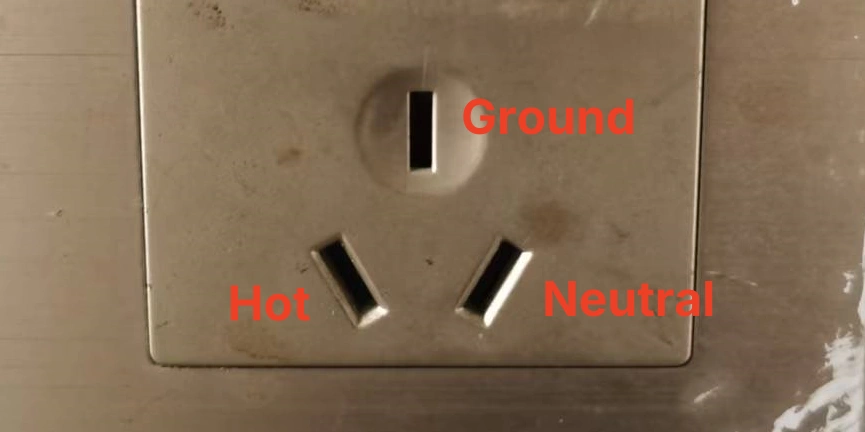
Hot wires carry electricity from the power source to your appliances, typically at 120 volts in the U.S. Neutral wires return the current to the source, completing the circuit. Ground wires, connected to the earth, act as a safety path for fault currents to prevent shocks.
Breaking Down the Basics
Think of your electrical system like a water system. The hot wire is the pipe delivering water (electricity) to your faucet (appliance). The neutral wire is the drain, carrying used water back to the source. The ground wire is an emergency overflow, directing excess water (fault current) away to prevent flooding (shocks). This analogy helped me early on, and I hope it makes sense for you too.
Understanding these wires is the foundation for safe electrical work. I’ve seen DIY projects go wrong because someone mixed up a hot and neutral wire, causing a short circuit.
Color Codes and Wire Identification
Mixing up wires because of their colors can lead to dangerous mistakes. Knowing the standard color codes makes identifying wires easier and safer. So, what are they?
Standard U.S. Color Codes
In the U.S., electrical codes standardize wire colors to make identification straightforward. Hot wires, carrying 120 volts, are usually black or red. Neutral wires, which return current, are white. Ground wires, for safety, are bare copper or green, sometimes with a yellow stripe. These colors are critical for anyone working on electrical projects, from replacing a switch to installing an outlet.
Why Colors Matter
Using the correct wire prevents costly and dangerous errors. I once read a news about a site where a homeowner had swapped a black hot wire with a white neutral during a DIY project, causing a short circuit that tripped the breaker repeatedly. Knowing the color codes would have saved them time and frustration. Always double-check with a voltage tester, as colors can be misapplied in older homes or by inexperienced installers.
International Variations
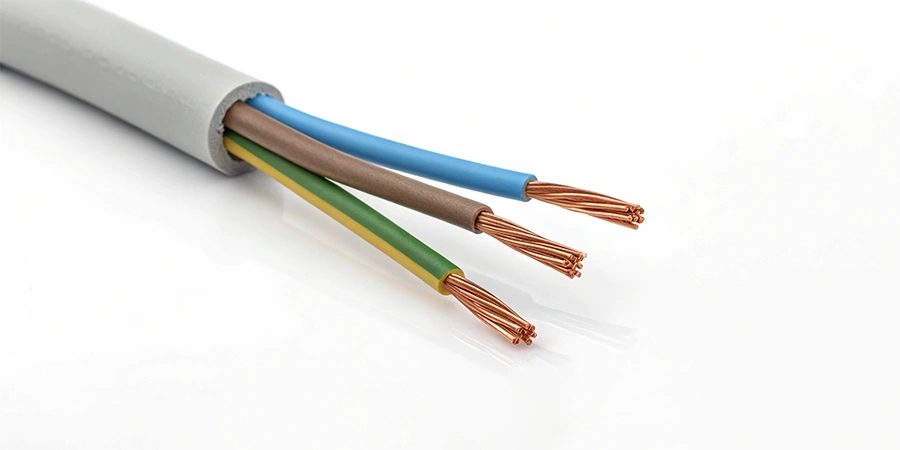
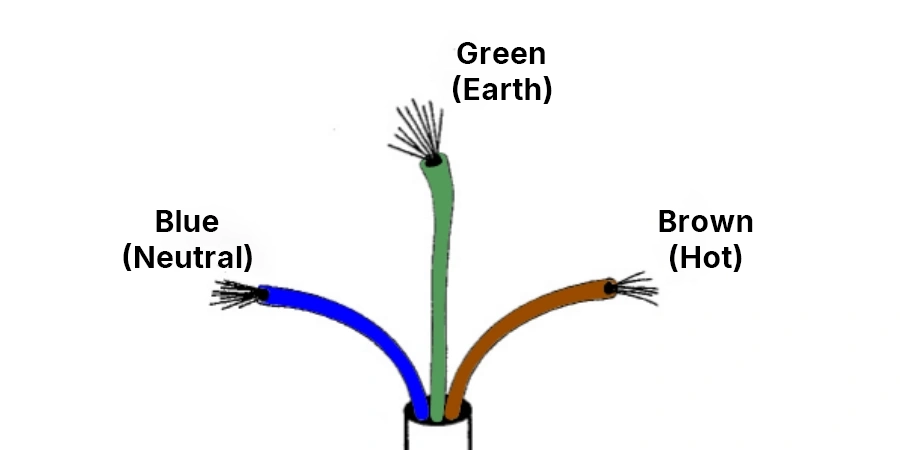
Color codes aren’t universal. In Europe, for example, hot wires are often brown, neutrals are blue, and grounds are green with yellow stripes. If you’re working on imported equipment or in another country, check local standards. I learned this when consulting on a project involving European appliances—mixing up colors could have been disastrous without proper research.
Here’s a comparison of U.S. and European color codes:
| Wire Type | U.S. Color | European Color |
|---|---|---|
| Hot | Black/Red | Brown |
| Neutral | White | Blue |
| Ground | Bare/Green | Green-Yellow |
What Are the Differences Between Neutral and Ground Wires?
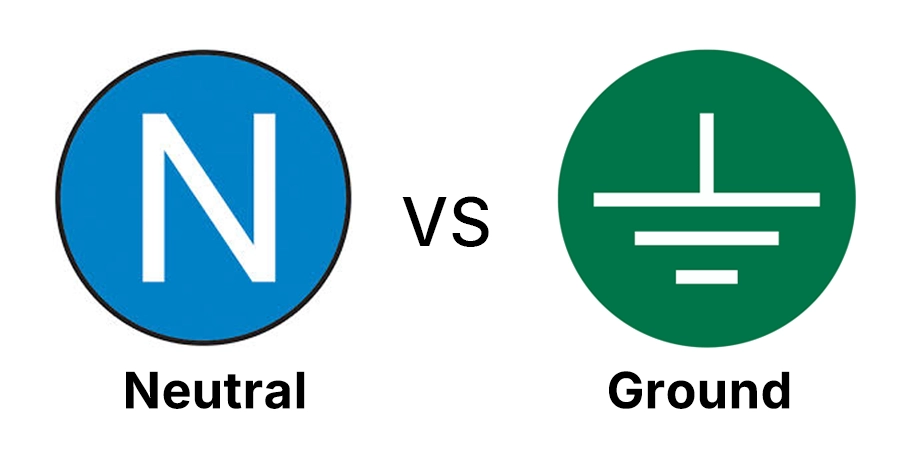
It’s easy to confuse neutral and ground wires since they both connect to ground, but mixing them up can be dangerous. What sets them apart?
The neutral wire carries current back to the source, completing the circuit, while the ground wire only carries current during faults, providing a safety path to prevent shocks. Both are needed for a safe system.
Neutral: The Working Wire
The neutral wire is an active part of the circuit, carrying current back to the power source after it powers your devices. It’s typically at or near zero voltage because it’s grounded at the main panel. This connection stabilizes the system, ensuring consistent power delivery.
Ground: The Safety Wire
The ground wire, in contrast, is a safety feature. It doesn’t carry current under normal conditions but activates during faults, like when a hot wire touches a metal surface. It directs the fault current to the earth, tripping the breaker to cut power. We once inspected a home where the ground wire was missing from several outlets, leaving them vulnerable to shocks. Installing proper grounding fixed the issue.
Why Both Are Necessary
You might wonder, “If neutral is grounded, why do we need a ground wire?” The answer lies in their distinct purposes. The neutral handles normal current flow, while the ground handles unexpected faults. Connecting them elsewhere, like at an outlet, can cause dangerous imbalances. I’ve seen DIYers use ground as neutral to “save wire,” leading to overheating and near-fires.
Here’s a clear comparison:
| Aspect | Neutral Wire | Ground Wire |
|---|---|---|
| Function | Carries return current | Carries fault current |
| Voltage | Near zero | Zero |
| Normal Use | Part of working circuit | Only active during faults |
| Connection | Grounded at main panel | Grounded to earth |
What Happens During a Short Circuit?
Short circuits sound scary, and they can be if you don’t understand them. As someone who know the aftermath, I know how important it is to grasp what’s happening. Let’s break it down.
When a hot wire touches a neutral or ground wire, it creates a low-resistance path, causing a sudden surge in current. This can overheat wires or damage appliances, but circuit breakers or fuses stop the flow to prevent fires.
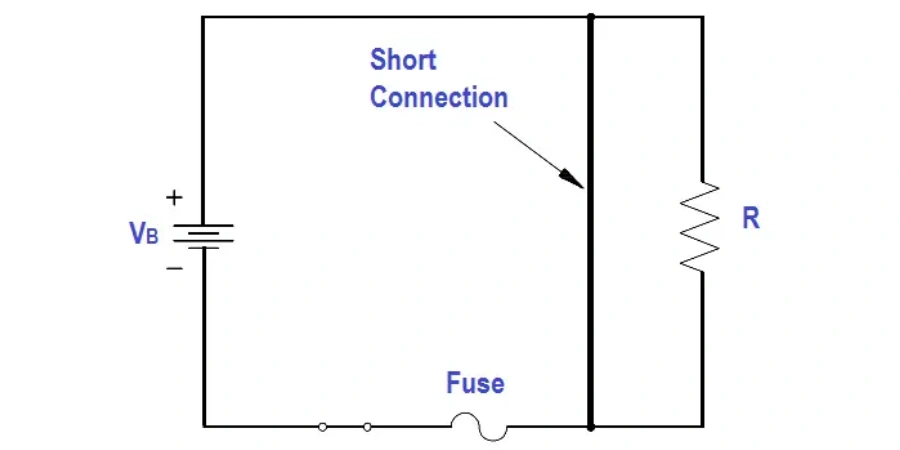
How Short Circuits Happen
A short circuit occurs when electricity takes an unintended path, like when a hot wire’s insulation wears out and contacts a neutral or ground wire. This bypasses the normal load, like a lamp or appliance, allowing current to flow freely with little resistance. The result? A massive spike in current that can generate heat or sparks. I once heard a home where a short circuit happened because a nail pierced a wire during a renovation. The breaker tripped, but not before a small scorch mark appeared on the wall.
The Role of Safety Devices
Thankfully, your home’s electrical system is designed to handle short circuits. Circuit breakers or fuses detect the current surge and cut power almost instantly. Breakers trip to an “off” position, while fuses burn out, stopping the flow to prevent fires or damage. In that renovation case, the breaker saved the day, but it was a reminder to check wiring before hammering nails into walls. Regular maintenance, like inspecting for frayed wires, can prevent these issues.
Preventing Short Circuits
You can reduce the risk of short circuits with a few simple steps:
-
First, avoid overloading circuits by plugging too many devices into one outlet.
-
Second, check for damaged insulation, especially in older homes.
-
Third, use the right wire gauge for the load—thicker wires handle more current safely.
-
Finally, ensure all connections are tight, as loose wires can arc and cause shorts.
Here’s a quick guide:
| Prevention Tip | Why It Helps |
|---|---|
| Avoid overloading circuits | Reduces strain on wires |
| Inspect for damaged wires | Prevents unintended contact |
| Use correct wire gauge | Ensures wires can handle current |
| Secure all connections | Prevents arcing and overheating |
By understanding short circuits and taking these precautions, you can keep your home safer and avoid costly repairs.
Safety Tips for Handling Electrical Wires
Working with wires can feel intimidating, especially when you know the risks. I’ve learned from years in the field that a few key precautions make all the difference. What should you do to stay safe?

Power Off, Always
The first rule of electrical work is to turn off the power at the main breaker or fuse box. This cuts the current to the wires you’re handling, reducing the risk of shock. Always locate the correct breaker and flip it off before starting.
Verify with a Voltage Tester
Even after turning off the power, use a voltage tester to confirm the wires are not hot. These affordable tools are a lifesaver—literally. The electrician in my company always carries one in my toolkit and use it every time, especially in older homes where wiring can be unpredictable. It’s a small step that gives you peace of mind.
Don’t Misuse the Ground Wire
Never use the ground wire as a neutral, even if you’re tempted to “make it work.” The ground is for safety, not regular current flow. Using it as a neutral can cause overheating or fires. Stick to the right wire for the job.
Proper Grounding Is Key
Ensure all outlets and appliances are properly grounded. My uncle once helped a friend whose ungrounded outlets caused shocks when plugging in devices. Adding proper grounding solved the problem and made their home safer.
Know When to Call a Pro
For complex tasks like rewiring a panel or upgrading main distribution systems with heavy-duty Air Circuit Breakers, hire a licensed electrician. They have the expertise to handle tricky jobs safely. A client once tried to rewire their basement themselves, only to create a mess that cost more to fix. Calling a pro early saves time, money, and stress.
Conclusion
Hot, neutral, and ground wires are the backbone of your home’s electrical system. By understanding them, you can confidently manage basic electrical tasks or know when to call a professional. Proper wiring not only keeps your devices running but also protects your home and family from electrical hazards. Stay curious, stay safe, and always prioritize caution when working with electricity.