
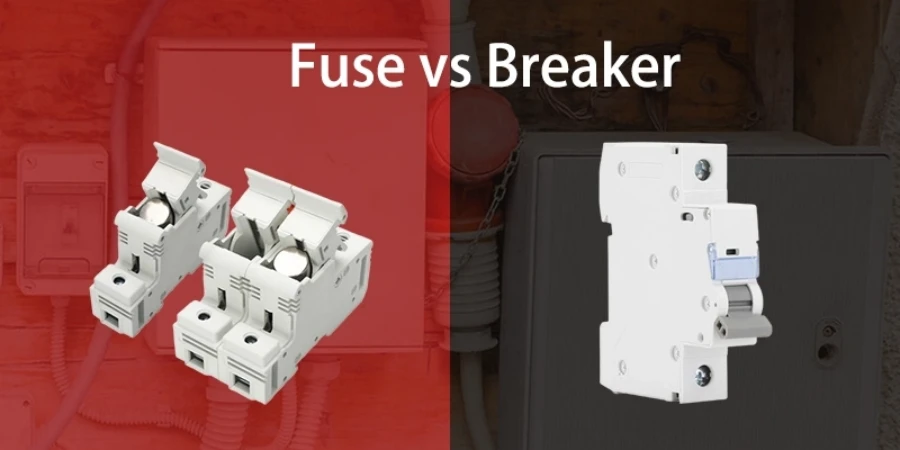
Do you know why some electrical systems use fuses while others rely on circuit breakers? If you’re a buyer or engineer deciding between them, you might wonder: "Which one is right for my project?" As a breaker factory, we’ve helped thousands of clients make this choice.
Well, the answer is simpler than you might think.
Both of them are basic components used to protect electrical circuits from damage caused by overcurrent(too much current). Without them, circuits could overheat, leading to fires or equipment failure.
The main difference lies in how they work. Fuses are one-time-use devices—when they "blow" (or melt) due to excessive current, they need to be replaced. Circuit breakers, on the other hand, can be reset and reused after they "trip" (or shut off) during an overload.
Let’s dive deeper into how they function and why they’re used in different situations.
Understanding Fuses
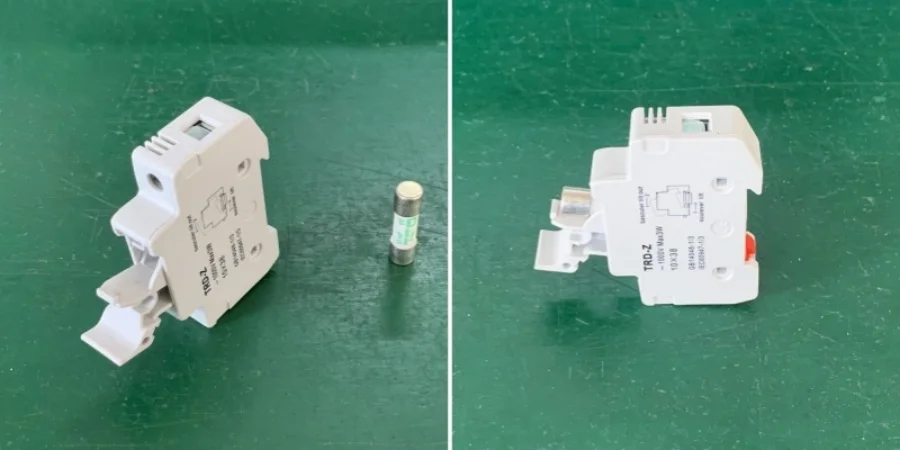
A fuse is a simple but very effective safety device. It’s made up of a thin metal wire or strip inside a protective casing, often made of materials like glass, ceramic, or plastic. The beauty of a fuse lies in its straightforward yet clever design: when the current flowing through it exceeds a safe level, the metal wire or strip heats up and melts, "blowing" the fuse and stopping the flow of current.
This happens almost instantly. It provides a rapid response to electrical problems like overloads. Because of their simple design, fuses are very reliable for one-time protection. However, once a fuse blows, it needs to be replaced.
Fuses are usually used with something called a fuse holder, which holds the fuse securely in place and connects it safely to the circuit. Fuse holders make it easy to replace blown fuses and come in different designs to suit different uses, such as blade fuse holders for cars or panel-mounted holders for industrial equipment.
Understanding Circuit Breakers
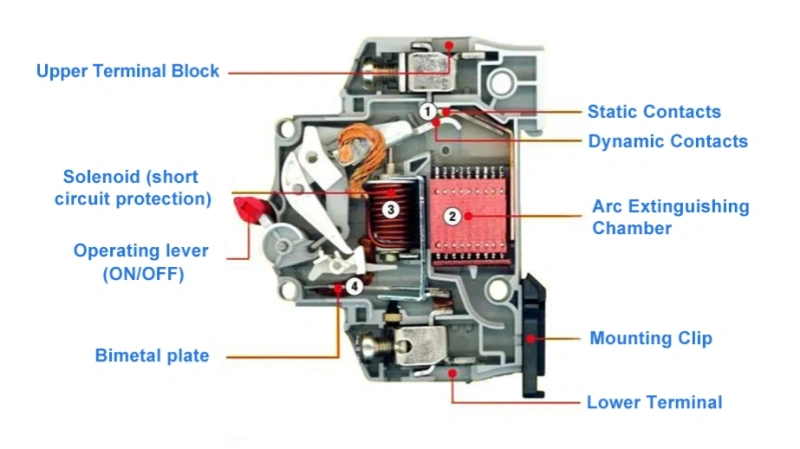
A circuit breaker is a mechanical safety device for protecting electrical circuits from damage caused by faults like overloads, short circuits or ground faults. It acts as an automatic switch that stops the flow of electricity when it finds an unsafe condition.
Circuit breakers work on a simple but smart idea: if the electricity flowing through the circuit gets too high, the breaker "trips" (shuts off) to stop the flow. This happens in two main ways:
1. Thermal Protection: Inside the breaker, there’s a special strip made of two different metals. When too much electricity flows, the strip heats up and bends. This bending triggers the breaker to trip and cut off the power.
2. Magnetic Protection: The breaker also has a coil that creates a magnetic field. If there’s a sudden, huge surge of electricity (like during a short circuit), the magnetic field becomes strong enough to force the breaker to trip instantly.
Unlike fuses, which can only be used once and need to be replaced after they blow, circuit breakers can be reset and used again by flipping a switch or pressing a button. They are usually installed in electrical panels, where they can be easily monitored and reset.
Comparing Fuses and Circuit Breakers
When we compare fuses and circuit breakers, it’s important to look at both their advantages and disadvantages in different situations.
How Fast Are They?
Speed is everything when it comes to protecting electrical systems. The faster a device can react to an electrical fault, the better it can prevent damage.
Fuses: Think of fuses as sprinters at the starting line—ready to react in the blink of an eye. When too much electricity tries to flow through it, the thin wire or metal strip inside heats up and melts almost instantly. This process, known as "blowing," typically takes just 1 to 10 milliseconds (0.001 to 0.01 seconds).
Circuit Breakers: They are more like marathon runners—still quick, but not as explosive. They rely on mechanical parts (like springs and switches) to detect and stop electrical faults. They typically take 20 to 50 milliseconds (0.02 to 0.05 seconds) to react, depending on the type you use.
That’s 2 to 5 times slower than fuses, but still fast enough for most homes and businesses, but in situations where every millisecond counts (like in industrial settings or sensitive electronics), fuses are the clear winners.

Which Lasts Longer?
Here’s where things get interesting. Both of them are reliable when used correctly, but they are different in terms of durability.
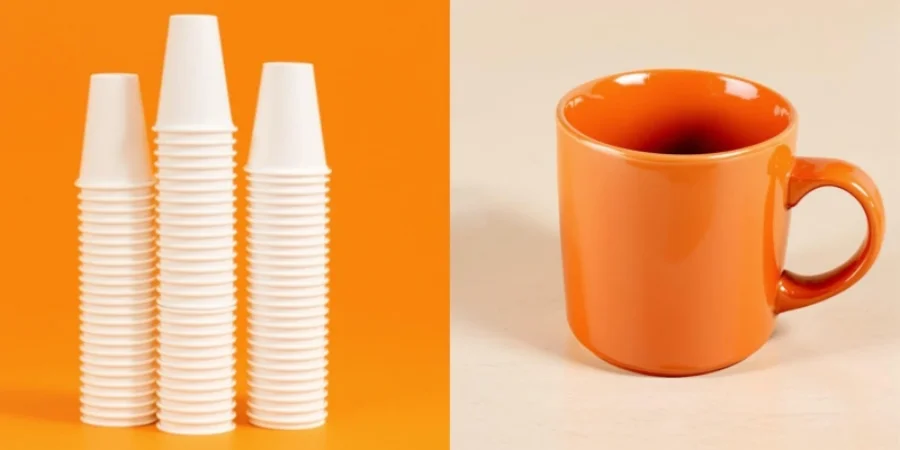
Fuses: Fuses are simple devices with no moving parts, which makes them highly easy in operation. They are like disposable paper cups—once you’ve used one, it’s done. How long fuses could last depends on usage but typically ranges from a single time to several years in low-stress environments.
If your system has frequent electrical issues, constantly buying fuses could be annoying and expensive. Plus, you’ll need to keep extra fuses in stock, which is like always making sure you have extra batteries for your TV remote.
Circuit Breakers: They are more complex and are built to last longer. They are more like a strong coffee mug and could be used over and over. If they trip, you just need reset them, and they’re ready to go again, you don’t need to throw anything away.
But here’s the thing: just like a coffee mug can chip or break after many uses, circuit breakers have moving parts, and these parts can wear out over time, especially if they trip often. So just like you’d wash and check your mug for damage, you need to test and maintain your circuit breakers regularly(annually or as recommended by the manufacturer) to make sure they’re still working properly.
Cost Analysis
When it comes to the cost, here is what you need to know.
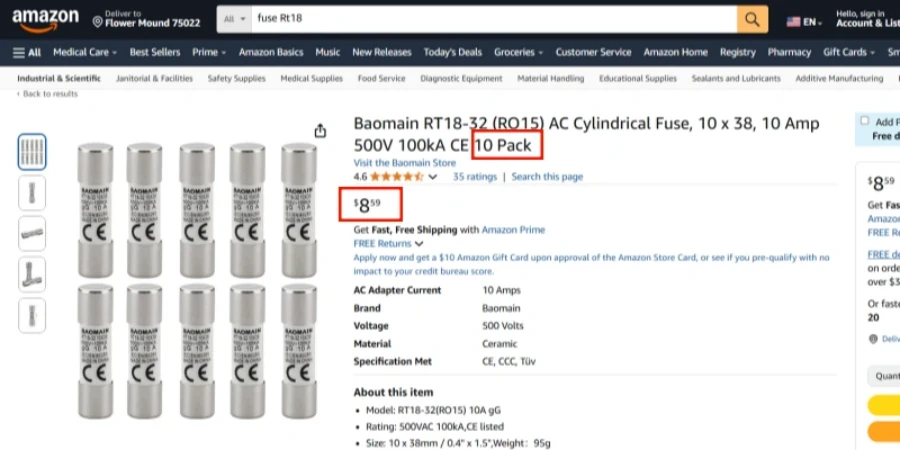
Fuses: Generally, fuses are cheaper at first. A single fuse costs way less than a circuit breaker, making them an attractive option for budget-limited projects. For example, in the U.S. market, a single fuse might cost around $0.50 to $2.00 each. Source: Fuse in amazon.com
However, if you have to keep replacing the fuses because they blow often-let’s say, like in a house or small business building, these cost could add up over time.
Image a fuse blows five times a year and costs $1 each time, that’s $5 a year, it doesn’t sound that much until you consider it over several years.
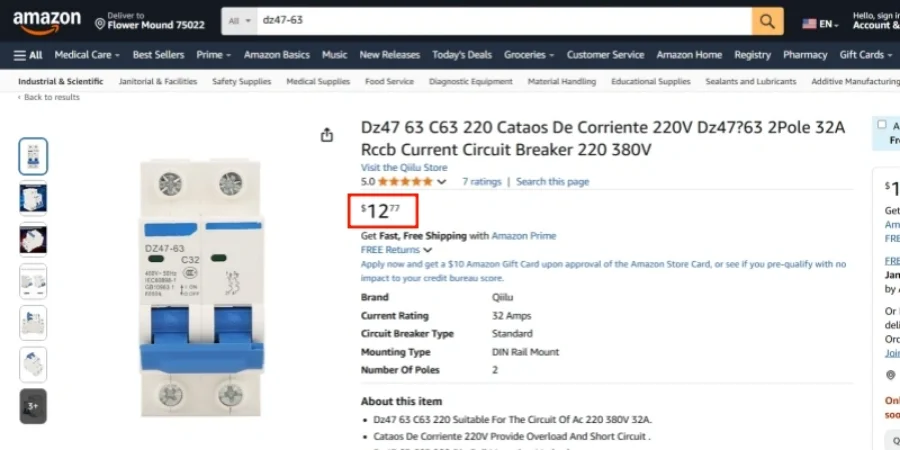
Circuit breakers: they cost more in the beginning, A basic one for your home might cost between $10 and $50, depending on the brand you choose. However, they can save you more in the long run. Source: DZ47-63 in amazon.com
For example, if you buy a circuit breaker for $30 and it lasts for 5 years without needing to be replaced, that’s only $6 a year. Plus, circuit breakers are easier to install in modern electrical systems, which can lower overall costs. They also come with better safety features and can help prevent future problems, making them a smarter investment over time.
How Much Do They Affect the Environment?
The environmental impact of safety devices is important.
Fuses: Fuses are disposable, meaning they create waste every time they blow and need to be replaced. While materials like glass, ceramic, and metal in fuses can often be recycled, frequent replacements can still lead to a lot of waste over time. This can have a bigger environmental impact, especially in systems where fuses blow often.
To reduce this impact, companies like Littelfuse are making fuses with eco-friendly materials. For example:
-
Recyclable metals: Using metals like copper and aluminum that can be melted down and reused.
-
Biodegradable casings: Making the outer casing from plant-based plastics that break down naturally over time.
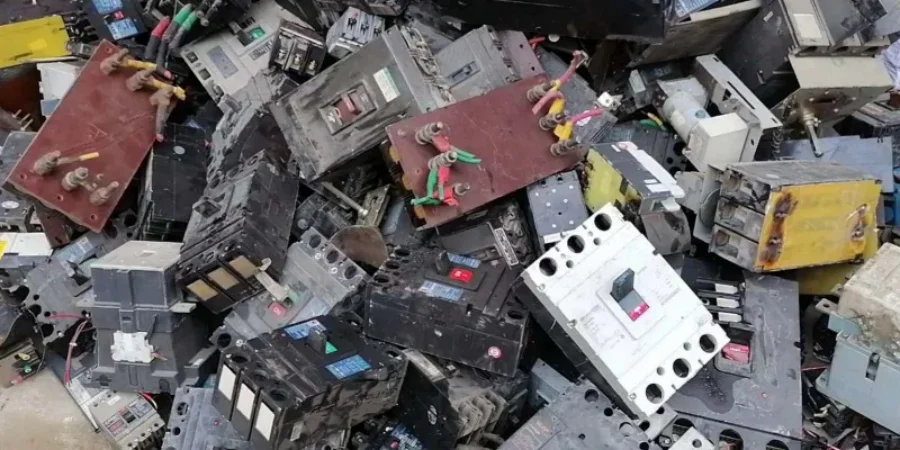
Circuit Breakers: they are more eco-friendly in terms of waste because they’re reusable, which means less waste over their lifetime. However, making them is more complex and uses more resources, which can reduce some of their environmental benefits. Also, when circuit breakers finally wear out, they may contain materials that are harder to recycle, such as certain plastics, composites, or electronic components.
To fix this, companies like Schneider Electric are using recycled plastics and other sustainable materials. For instance, some of their circuit breakers are made with up to 50% recycled plastics and metals, which helps reduce waste and environmental impact.
The Bigger Picture: As the world moves towards smart grids and renewable energy, there’s a growing focus on making safety devices that are both efficient and good for the planet. This means using more eco-friendly materials, improving recycling processes, and designing devices that last longer.
Can Fuses and Circuit Breakers Be Swapped?
Well, it depends on the specific situation—sometimes yes, sometimes no.
Swapping circuit breakers for fuses might seem easy, but there are some key things to think about.
When Can They Be Swapped?
-
Simple, Low-Power Circuits: In basic setups like small appliances or low-power devices(lamps or radios), fuses can often replace circuit breakers, as long as their current and voltage ratings match.
Example: A table lamp with a 5A fuse can safely use a 5A circuit breaker if the wiring supports it.
-
Predictable Loads: In systems where the electrical load is stable and doesn’t change much, fuses can be a good replacement for circuit breakers.
Example: Car systems often use fuses because the electrical devices (like lights and radios) have a steady and predictable current demand.
When Are Fuses The Only Option?
-
Extremely High Fault Currents: In industrial or power distribution systems, fuses are often the only option for safely stopping extremely high fault currents (e.g., tens of thousands of amps).
Example: While fuses are good for extreme surges, modern power plants increasingly rely on high-capacity Air Circuit Breakers (ACB) which can handle massive fault currents (up to 120kA) while offering intelligent monitoring and reset capabilities.
-
Space Limits: In small or compact devices (e.g., electronics, automotive systems), fuses are often the better choise because they are smaller and easier to install than circuit breakers.
Example: A car’s fuse box uses compact blade fuses to protect individual circuits without taking up much space.
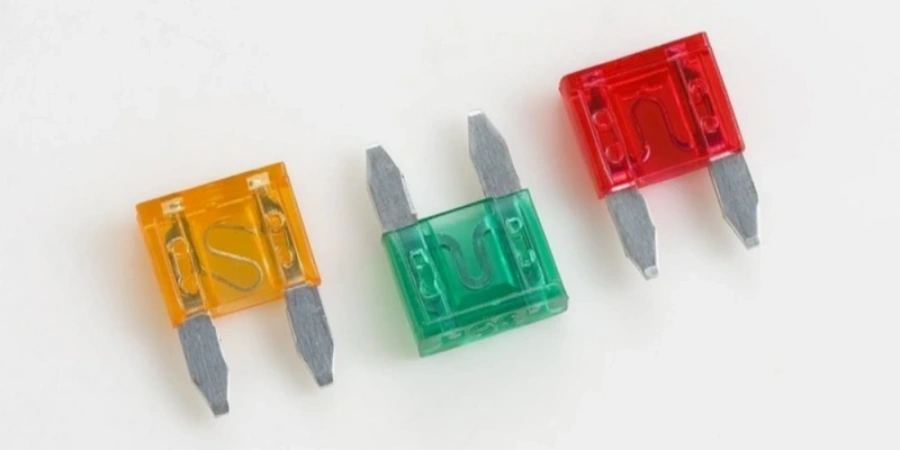
Blade Fuse -
Tough Environments: In high-temperature, high-vibration, or chemically harsh environments, fuses are more reliable because they have no moving parts. Without mechanical parts, fuses are less likely to break down due to wear, rust, or physical stress. This makes them a better choice for tough conditions where circuit breakers, which depend on mechanical parts, might wear out or stop working over time.
Example: Machines in factories often uses fuses because they can endure vibrations and temperature changes better than circuit breakers.
-
Low-Cost Applications: In low-cost or disposable devices (e.g., cheap consumer electronics), fuses are often the only option because they are cheap.
Example: A $10 power strip might use a fuse for basic overcurrent protection instead of a more expensive circuit breaker.
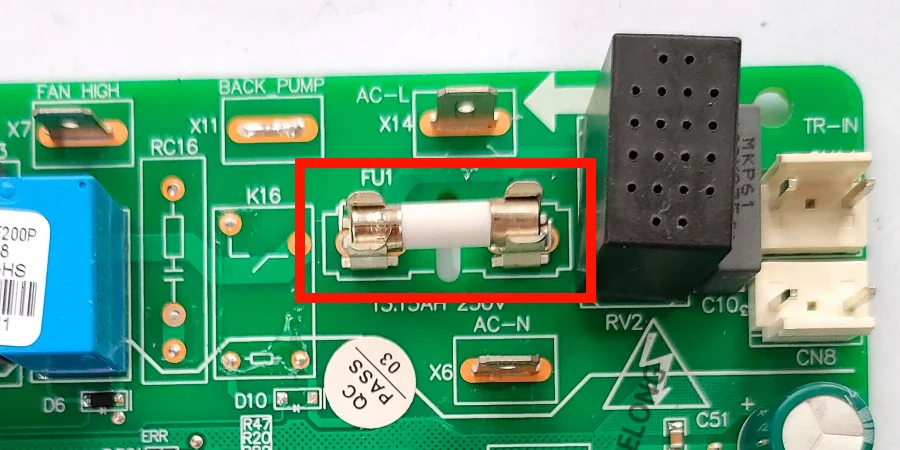
Fuse on the Circuit Board
When Are Circuit Breakers the Only Option?
-
Frequent Resets Needed: In environments where circuits trip often (e.g., homes, offices, or industrial settings), circuit breakers are essential because they can be reset easily, while fuses need to be replaced.
Example: A home’s electrical panel uses circuit breakers to protect circuits for lighting, outlets, and appliances, allowing homeowners to reset them after a trip.
-
Advanced Protection Required: Circuit breakers offer features like ground fault protection (GFCI) or arc fault protection (AFCI), which fuses can’t provide. These are very important in modern homes, especially in kitchens, bathrooms, and other high-risk areas.
Example: GFCI circuit breakers are required in bathrooms to protect against electric shock, while AFCI breakers prevent fires caused by arc faults in bedrooms.
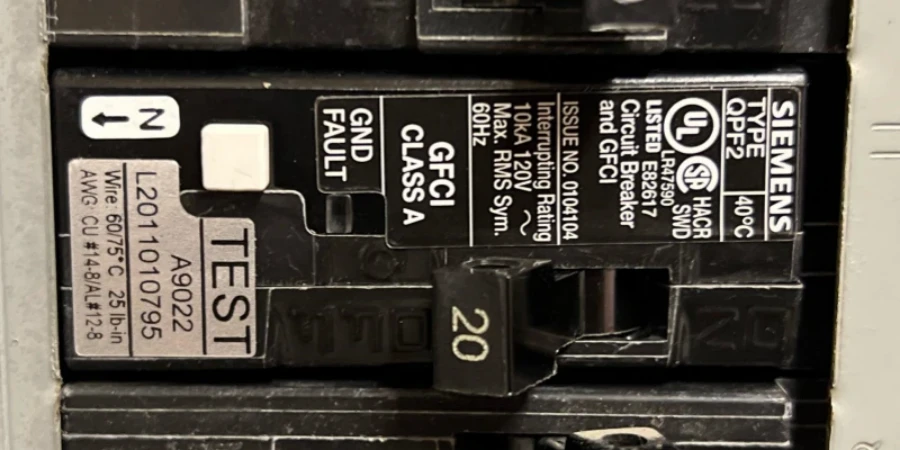
GFCI Circuit Breaker -
High-Power or Complex Systems: In data centers, industrial machines, or systems with high-power loads, circuit breakers are the best choice because they can handle frequent trips and offer precise control.
Example: A data center’s electrical system uses circuit breakers to protect servers and keep operations running smoothly.
-
Quick Power Restoration: In systems where downtime is expensive (e.g., production lines or data centers), circuit breakers are the better choice because they can be reset quickly, while fuses need to be replaced manually.
Example: A manufacturing plant uses circuit breakers to reduce downtime caused by electrical faults.
When Are They Used Together?
-
Layered Protection: Fuses act as the first line of defense against high-current faults, while circuit breakers provide extra protection and can be reset after a fault.
Example: In a solar power system, fuses protect the solar panels from high fault currents, while circuit breakers protect the inverter and other components.
-
Main and Branch Circuit Protection: Circuit breakers protect the main circuit, while fuses protect individual branch circuits. This makes sure that a fault in one branch doesn’t impact the entire system.
Example: A business building’s electrical panel uses circuit breakers for the main supply and fuses for individual lighting circuits.
-
High Fault Current Protection: In systems with extremely high fault currents, fuses handle the first interruption, while circuit breakers provide backup protection.
Example: A power distribution substation uses fuses to stop high fault currents and circuit breakers to isolate the faulted section.
-
Dual-Protection in Critical Systems: In critical equipment or high-value systems, fuses and circuit breakers are used together to ensure max reliability and safety.
Example: A hospital’s backup power system uses both fuses and circuit breakers to ensure unstopped power supply during emergencies.
-
Cost and Performance Balance: In some systems, fuses are used for low-cost protection in branch circuits, while circuit breakers are used in the main circuit for advanced protection and reusability.
Example: A house electrical panel uses fuses for low-power circuits (e.g., lighting) and circuit breakers for high-power circuits (e.g., air conditioning).
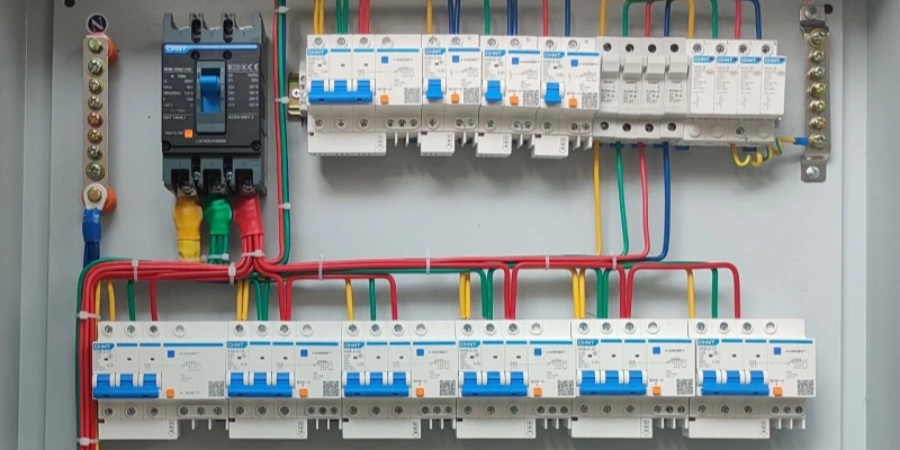
Fuses and Circuit Breakers in the Electric Panels
Conclusion
Fuses and circuit breakers are essential parts in the electrical industry, each with its goods and bads. Choosing the right device depends on the specific needs of your application.