

Do you know why the circuit breakers in your house can’t be used in your car or a solar power system? Or why electric cars and renewable energy setups need special breakers?
Many people often confuse AC and DC breakers, which can lead to serious safety risks in solar power systems or electric vehicles. Over the years, we at Sincede—a source factory specializing in circuit protection solutions—have seen this happen frequently.
The main difference is how they deal with electrical currents.
AC circuit breakers are made for AC alternating current, which changes direction back and forth, like a swing moving side to side. This is the type of power used in homes.
DC circuit breakers are for DC direct current, which flows in one direction only, like water flowing down a steady river. This is the type of power used in cars, batteries, and solar panels.
Now that we’ve known the basics, let’s take a closer look at how they work and why they’re so important.
The Story of Circuit Breakers
Circuit breakers were invented in the late 19th century as a safer solution to fuses. Early circuit breakers were designed mainly for AC systems because AC was the most common type of electric power at the time. However, as renewable energy and electric vehicles became more popular in the 21st century, the needs for DC circuit breakers grew stronger and stronger.
One of the key people in the story of DC systems was Thomas Edison, the famous inventor who improved the design of the light bulb and made it practical for everyday use. He was a big supporter of DC power and played a major role in its early development.

Although AC systems finally became more popular because they could transmit electricity over long distances, DC systems stayed important for specific uses, like batteries and early electric grids.
Today, circuit breakers have come a long way. Now we have smart breakers that can connect to the internet and provide real-time monitoring and control. These kind of breakers can check problems, optimize energy use, and even be controlled remotely. This is really helpful in renewable energy systems, where efficiency and reliability are very important.
Understanding the Core Differences
How Arc Extinguishing Works
Arc extinguishing is one of the most important parts of a circuit breaker, and it’s where AC and DC breakers are most different.
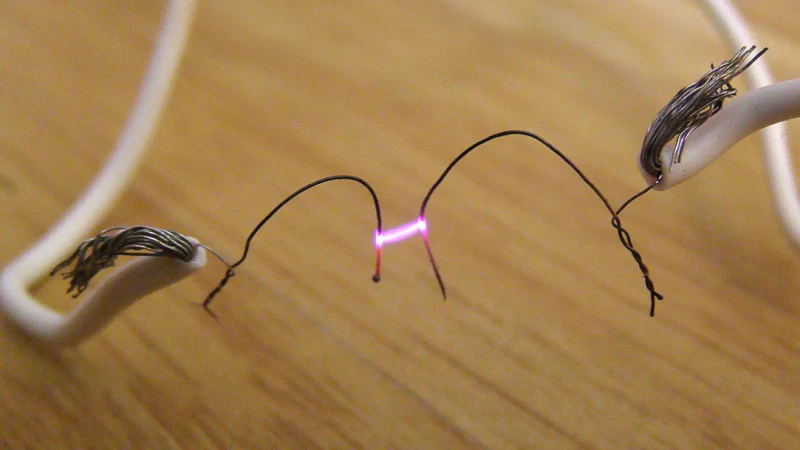
But first, let’s understand what an arc is. An arc is a spark that happens when a circuit breaker tries to stop the flow of electricity.
How Is an Arc Produced?
-
When the contacts of a circuit breaker open, the current does not stop immediately. Instead, it tries to keep flowing. This forces the electricity to push through the air, which creates friction. The friction heats up the air and turns it into a conductor. As a result, an arc forms.
-
This happens because the electric field between the contacts becomes strong enough to “pull” electrons out of the air, creating a path made of charged particles(called plasma). This path acts like a bridge, allowing the current to keep flowing even though the switch is off.

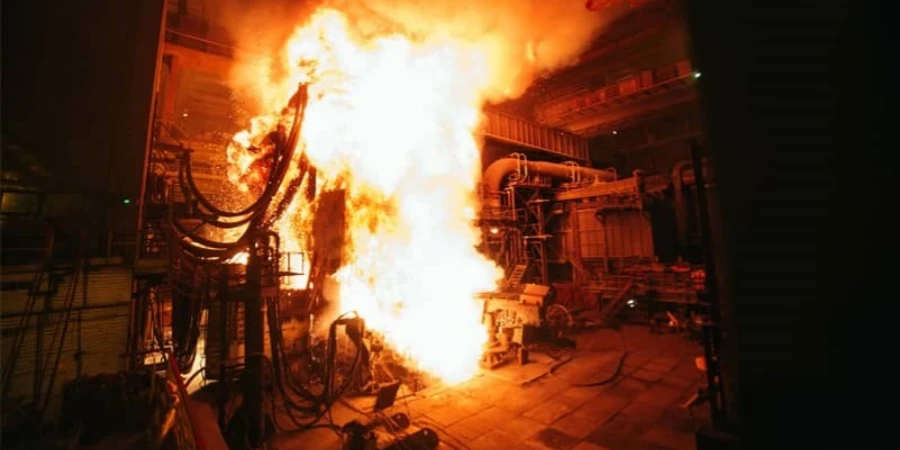
The arc is extremely hot, and it can reach temperatures of thousands of degrees Celsius. If it’s not stopped quickly, this arc can damage the breaker, the whole electrical system, even harm the people nearby.
How AC and DC Differ?
In AC Systems:
-
AC changes direction 50-60 times per second, depending on where you live. This makes natural moments where the current drops to zero, called zero-crossing points.
-
These zero-crossing points make it easier for AC circuit breakers to stop the arc, as the spark naturally fades away during these moments.
In DC Systems:
-
DC flows in one direction continuously, like a steady stream of water. This means there are no natural zero-crossing points.
-
Without these points, it’s much harder to stop the current without creating a dangerous, sustained arc. To solve this, DC circuit breakers have to use special techniques.

Technical Comparisons
As we’ve seen how AC and DC circuit breakers handle arcs differently, let’s look at some other differences.
Structure
AC breakers use the natural zero-crossing points of AC current, which makes their structure simpler because the arc tends to extinguish itself during these moments.
To help stop the arc, AC breakers often use:
-
Arc Chutes: A stack of metal plates that cool the arc and split it into smaller pieces, making it easier to extinguish. AC breakers’ arc chutes are simpler than those in DC breakers, with fewer and more widely spaced metal plate.
-
Gas Blast(in high-voltage AC breakers): A burst of gas (usually air or SF6) is blown into the arc path to cool it down and help it disappear.
These methods are relatively simple, cheap, and widely used in everyday situations.
Think of AC breakers like stopping a car that’s already slowing down and about to stop on its own—you just need to tap the brakes (arc chute or gas blast) to help it stop completely.

On the other hand, DC Breakers face a greater challenge because direct current has no zero-crossing points. To solve this, they often have to use some more advanced techniques such as:
-
Magnetic Blowout: Coils or magnets inside the breaker create a magnetic field that stretches the arc, making it longer and cooler until it finally breaks apart. This is commonly used in low-voltage DC systems.
-
Vacuum Interruption: A vacuum chamber inside the breaker pulls the arc into a space with no air. Without air, the arc can’t sustain itself and quickly disappears. This is typically used in medium to high-voltage DC systems.
-
Gas Blast: High-pressure gas (usually SF6 or N2) is blown into the arc path to cool it down and force it to break apart. Since DC doesn’t have natural zero-crossing points, the gas blast needs to be stronger than in AC breakers. This is often used in high-voltage DC applications.
-
Forced Current Zero: Some advanced DC breakers use special electronic components (such as IGBTs or thyristors) to create a human-made "zero point," copying the behavior of AC systems. This is particularly useful in high-power DC systems like HVDC (High-Voltage Direct Current) transmission.
These methods are more complex, expensive but necessary for high-power systems.
Imagine DC breakers like stopping a car that’s moving at a steady speed and won’t stop on its own—you need to slam on the brakes (magnetic blowout, vacuum interruption, or gas blast) and maybe even use a parachute (forced current zero) to make it stop.

Material Selection
The materials used in AC and DC circuit breakers are also different. Here’s a simple breakdown:
AC Breakers:
-
Contacts: Made of silver alloys because silver conducts electricity well and doesn’t rust easily. Although silver is a bit expensive, it lasts a long time and works great for AC systems.
-
Conductive Parts: Usually made of copper or copper alloys (like brass or bronze). Copper is relatively cheap, conducts electricity well, and is easy to shape into parts. Over time, copper can get a little rusty, but this isn’t a big problem in AC systems.
-
Durability: They don’t need to handle extreme heat as AC current naturally drops to zero many times per second, which reduces wear on the materials. This makes AC breakers last longer without super-great materials.

DC Breakers:
-
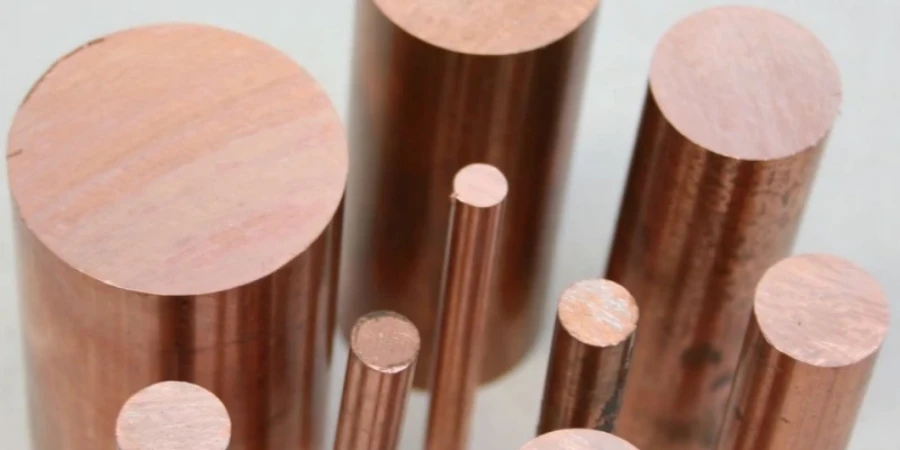
Contacts: Made of tungsten or tungsten-copper mixes. Tungsten can handle extremely high heat without melting, which is important for stopping DC arcs. Copper is also added to help with electricity flow.
Tungsten is more expensive and harder to shape and mold, but it’s necessary for DC systems.
-
Insulating Materials: Made of special ceramics or tough plastics. These materials can handle high heat and stress without breaking down. They’re more expensive than regular materials.
-
Durability: DC breakers are used for very high heat and energy, so they need stronger materials to last for a long time.
Response Times and Voltage Ratings
When it comes to response times, AC circuit breakers are usually faster. The natural zero-crossing points in AC current make it easier to interrupt the flow of electricity quickly.
DC circuit breakers, on the other hand, may take a bit longer because they need to actively stop the arc. However, modern DC breakers are designed to be highly efficient and reliable.
Voltage ratings are also different between the two types. AC breakers are commonly used with ratings like 120V, 240V, or 480V. DC breakers often handle much higher voltages, such as 600V, 1000V, or more.
Cost Examples
Based on the points we discussed earlier, DC circuit breakers are usually more expensive than AC ones.
Typically, the price of a DC circuit breaker is 10% to 50% higher than an AC circuit breaker, depending on factors like brand, model, current rating, raw material price and the volume you buy.
Here are some price examples I collected from a Chinese local e-commerce platform(kexu.com):
| Brand | Product Model | Type | Poles | Rated Current | Price (USD) |
|---|---|---|---|---|---|
| Chint | NXB-63 2P C25 | AC | 2P | 25A | ~4.35 |
| Chint | NXB-63 2P D25 | DC | 2P | 25A | ~6.52 |
| Delixi | DZ47SN 2P C25 | AC | 2P | 25A | ~5.07 |
| Delixi | DZ47SN-DC D25 | DC | 2P | 25A | ~7.97 |
| ABB | S203 B25 | AC | 2P | 25A | ~8.70 |
| ABB | S203 D25 | DC | 2P | 25A | ~11.59 |
| Schneider | C65N 2P C25A | AC | 2P | 25A | ~18.84 |
| Schneider | C65L-DC 2P C25A | DC | 2P | 25A | ~23.91 |
| Schneider | iC65H B Curve 2P 32A | AC | 2P | 32A | ~21.74 |
| Schneider | iC65H D Curve 2P 32A | DC | 2P | 32A | ~28.99 |
Reminder: This table shows retail market prices. For distributors and panel builders looking for competitive factory-direct pricing, costs will be significantly lower depending on volume and specifications.
Applications
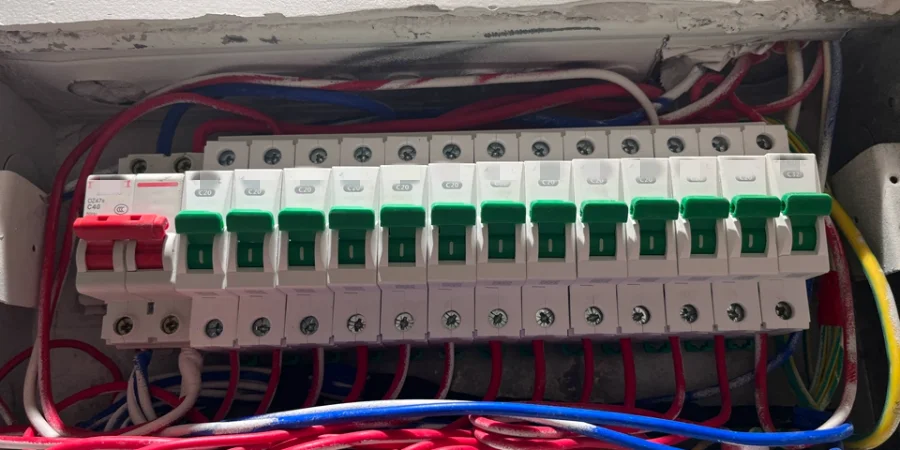
AC and DC circuit breakers are used in very different applications.
AC Circuit Breakers:
AC breakers are the most common type and are often found in:
-
Homes: They protect the circuits that power your lights, appliances (like your fridge or TV), and wall outlets.
-
Businesses: In offices, AC breakers keep computers, printers, lighting systems, and other equipment safe.
-
Industries: Factories and industrial sites use AC breakers to control heavy machinery and equipment.
-
Power Grids: They are a key part of the electrical grid, helping to send electricity over long distances.
DC Circuit Breakers:
DC breakers are essential in specialized applications, such as:
-
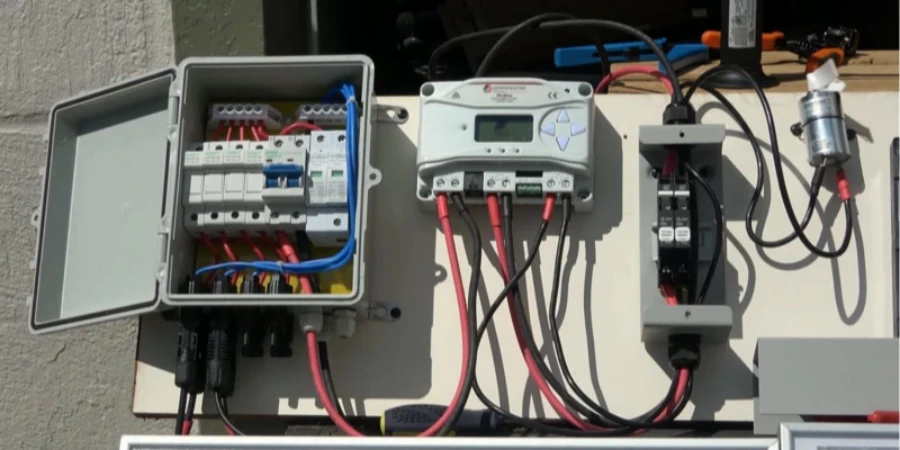
Solar Power Systems: They protect solar panels and inverters, making sure the system runs safely and efficiently.
-
Electric Vehicles (EVs): They keep the battery systems and charging stations safe.
-
Battery Storage: Used in home energy storage systems and industrial backup power systems.
-
Telecommunications: provide reliable power for communication networks, like cell towers and data centers.
-
Railway and Marine Systems: They manage DC power in trains, ships, and even submarines.
How Do I Know If a Breaker Is AC or DC?
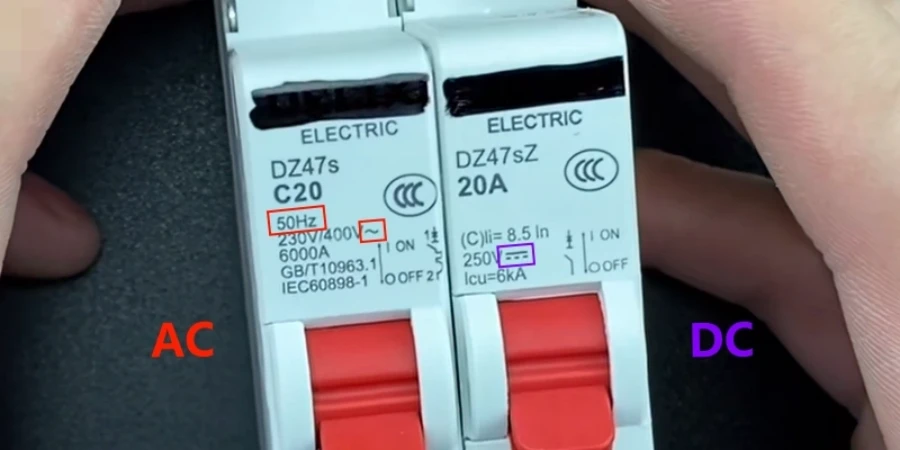
There are many ways to tell if a breaker is AC or DC, such as checking its price, where it’s used, or its design. However, the easiest way to tell them apart is by checking their labels and markings.
AC breakers are usually labeled with "AC" or have a wave symbol (~) to indicate alternating current. They often include a frequency rating, such as 50Hz or 60Hz.
On the other hand, DC breakers are often marked with "DC" or have a straight line (⎓) to indicate direct current.
Always check the labels carefully to make sure you’re using the right breaker for your situation.
Can I Use an AC Breaker for DC Situation?
The short answer is NO. AC circuit breakers are not designed to handle the continuous flow of DC current. Using an AC breaker in a DC circuit can be dangerous and might lead to serious problems.
I remember a project where a customer tried to use an AC breaker in a DC solar power setup. The breaker failed to stop the current, causing a sustained arc that damaged the equipment and created a safety problem.
You should always use a breaker specifically designed for the type of current in your system. It’s not just about efficiency—it’s about safety too.
Are There Mixed-Use Breakers?
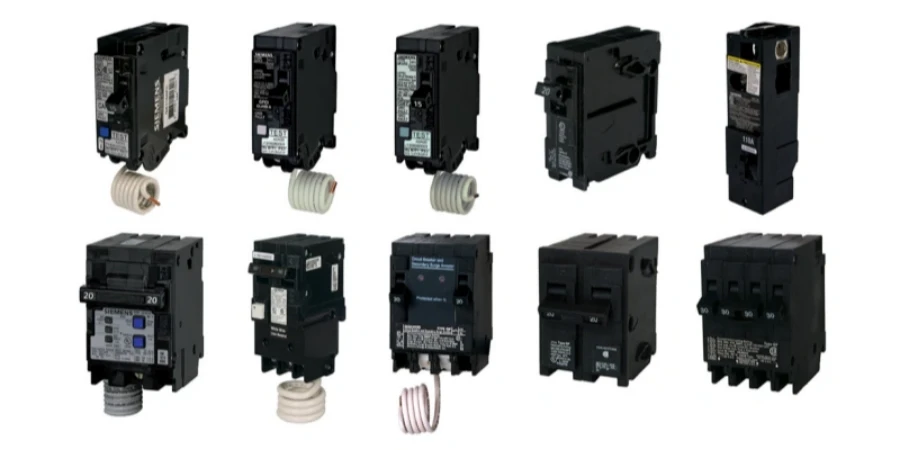
Some people might ask: are there breakers that can handle both AC and DC currents? The answer is yes! These are called Dual-Function Circuit Breakers.
These kind of breakers are ideal for specialized applications where both AC and DC currents are present. Some common examples include:
-
Hybrid Energy Systems: Homes or facilities that use both solar power (DC) and grid power (AC).
-
Electric Vehicles: Charging stations that need to handle both AC from the grid and DC from the vehicle’s battery.
-
Industrial Equipment: Machines that change between AC and DC power sources like VFDs(Variable Frequency Drives), Welding Machines, UPS(Uninterruptible Power Supplies).
Pros and Cons
While dual-function breakers can handle both situations, they have their goods and bads too.
On the positive side, these breakers are very flexible. This means you don’t need seperate breakers for different types of power, which saves space and makes your system design simpler. They’re especially useful in hybrid setups, like homes with solar panels or electric vehicle charging stations.
On the negative side, they cost more than standard AC or DC breakers, which can make them pricey to buy. They’re also more complicated to install and maintain because they are more advanced. What’s more, they’re not as easy to find as regular breakers, which can be a problem if you need one quickly.
If you’re considering a mixed-use breaker, make sure it matches your system’s voltage and current ratings, and always follow the local safety rules.
Conclusion
AC and DC circuit breakers are for different needs. AC breakers are simple and affordable, perfect for homes and offices, while DC breakers are essential for modern systems like electric vehicles and solar power. Learning their differences in details can help you choose the right breaker for safety and efficiency.