
Have you ever wondered when those simple circuit breakers, hidden behind your walls and switchboards, are most important?
Luckily, I’ve had the chance to learn about how these safety devices play key roles in many industries. Although they may seem simple, they play a huge role in making sure power systems are safe and reliable.
These quiet protectors are always ready to act when there’s an electrical problem or overload. They keep people safe, protect property, and make sure everything runs smoothly.
So, where exactly do these hardworking devices make the most difference? Let’s take a look at the top 10 industries that cannot go without circuit breakers for safety and control.
Manufacturing
Manufacturing facilities, with their complicated network of machines and equipment, are good examples of industries that use circuit breakers a lot.
The International Energy Agency (IEA) reports that manufacturing is a major energy consumer. Stable power systems are crucial for efficiency and safety. Circuit breakers help ensure this stability. Source: IEA World Energy Outlook 2024.
From assembly lines to packaging areas, these devices protect against electrical risks, lowering the chances of fires, equipment damage, and potential injuries to workers.
In a typical factory, circuit breakers are installed throughout the facility to monitor and control the flow of electricity for different production areas, so one problem won’t stop the whole operation.
Manufacturers in many industries such as automotive, aerospace, and consumer electronics depend heavily on the outstanding performance of circuit breakers to keep production safe and sound.

Commercial Buildings
Commercial spaces like office buildings, shopping malls, hotels also need powerful electrical systems to support elevators, HVAC units, lights, and many other facilities.
The U.S. Energy Information Administration (EIA) points out, commercial buildings use about 28% of global energy. Source: EIA Commercial Building Energy Consumption Survey
Circuit breakers are key for keeping these systems working safely by preventing issues like overloads and short circuits.
In large buildings, electrical panels often contain dozens or even hundreds of circuit breakers. Each of them is assigned to monitor a specific section or circuit.
This setup lets facility managers find and fix electrical issues quickly. It minimizes disruptions for tenants and visitors.
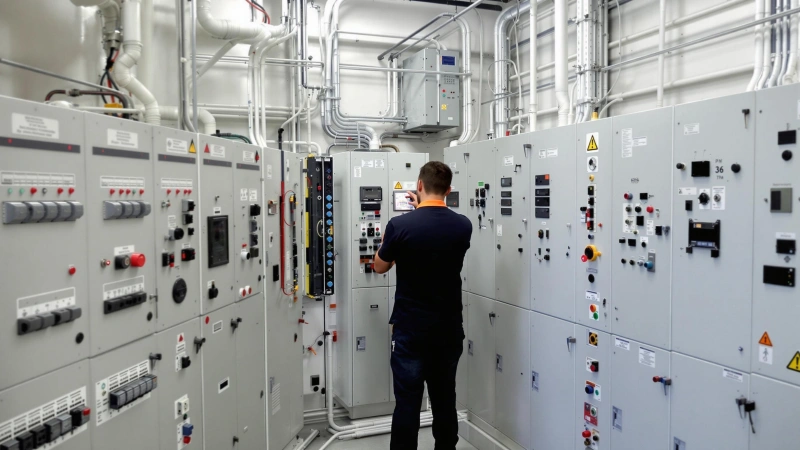
Residential Homes
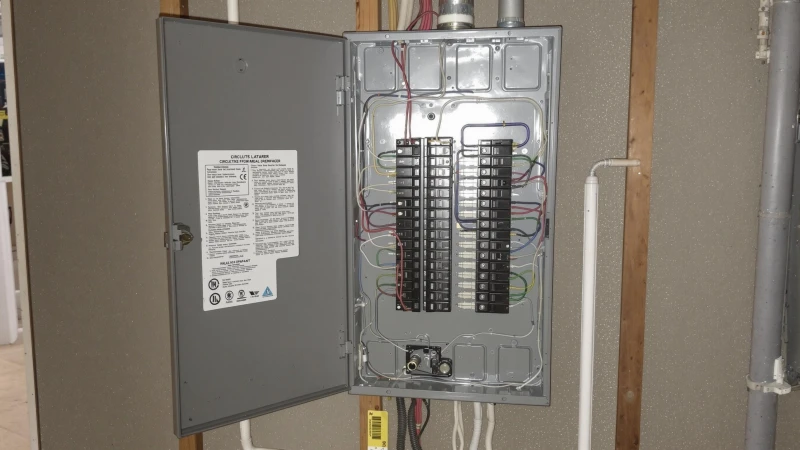
Every modern home has a circuit breaker panel, which is usually found in the basement or utility room.
These breakers are in charge of distributing electricity for the home. Moreover, they help prevent electrical fires, and protect appliances and electronics from power surges.
Homeowners depend on circuit breakers to keep their families and property safe. Each breaker controls a specific circuit that powers outlets, lights, or appliances.
According to the U.S. Fire Administration, electrical issues are a significant cause of residential fires, making it crucial for homeowners to understand how their circuit breakers function. Source: Residential Building Electrical Malfunction Fire Trends (2013-2022)
When a breaker trips, it indicates that there is an electrical issue that needs to be fixed. By this way, we could prevent potential hazards.
Healthcare Facilities
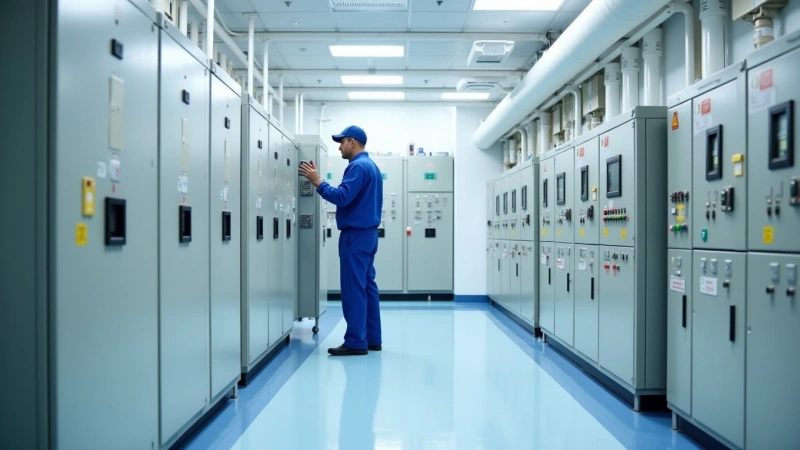
Hospitals, clinics, and other healthcare facilities depend on steady power to run life-saving equipment, maintain essential services, and guarantee patient safety.
Circuit breakers in these systems are built for reliability and they have get strict testings and regular maintenance to prevent unexpected outages
Hospitals also rely on emergency generators and battery-powered systems to back up circuit breakers, so that critical areas like operating rooms, intensive care units, and emergency departments always have a stable power supply.
In the healthcare industry, reliable circuit breakers are vital, as power stability can mean the difference between life and death.
If you want to get more insights about the circuit protection in this field, you could refer to this article Circuit Protection in hospitals.
Data Centers
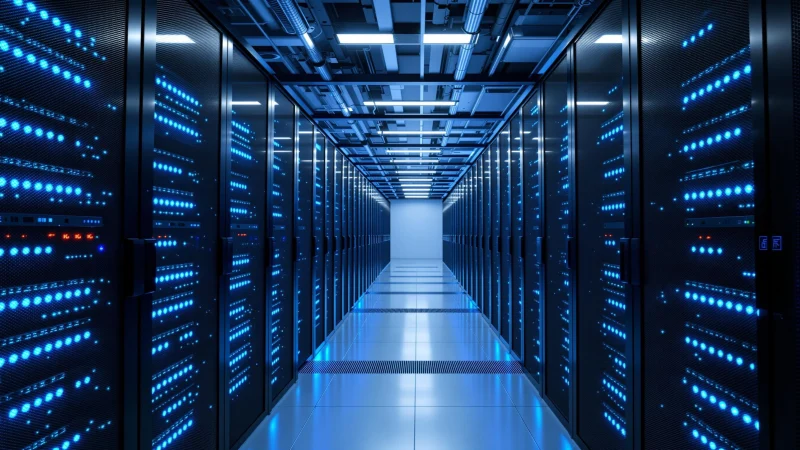
In today’s world, data centers are a key part of our information-based society.
As Research Nester says, the global market for DC circuit breakers is expected to grow from around $3.58 billion in 2024 to approximately $11.24 billion by 2037. This growth is driven by the increasing number of data centers and the need for efficient power distribution systems that can handle high-density computing environments safely. Source: DC Circuit Breaker Market Size & Share
Data centers are filled with many servers and networking equipment. They need a well-planned electrical system with circuit breakers to protect them from power surges and outages. The breakers help keep data processing and storage running smoothly.
Data center managers must take the quality of their circuit breakers seriously. Even one electrical issue can cause a major system failure, leading to lost data, downtime, and possible financial or reputational damage.
Many data centers use advanced monitoring and maintenance systems to ensure their circuit breakers work properly. For main power distribution in these critical facilities, Air Circuit Breakers (ACBs) are often the preferred choice due to their high breaking capacity and durability.
Transportation
When it comes to transportation, circuit breakers are a must.
From airports and shipping ports to train stations and metro systems, the industry needs circuit breakers to protect electrical systems that power things like lighting, signals, baggage handling, and escalators.
If there’s an overload or short circuit, the circuit breakers can quickly isolate the problem area to prevent further setback to important services.
This keeps people and goods moving safely without delays, which is crucial for transportation networks to run smoothly.

Renewable Energy
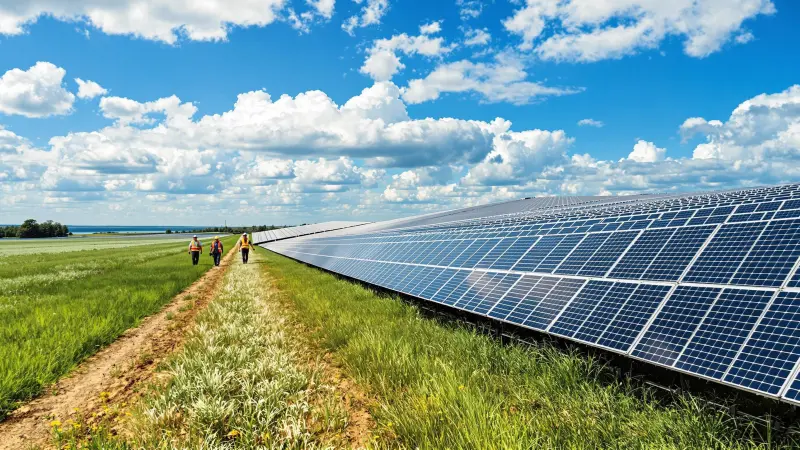
As we move towards cleaner energy, the demand for renewable sources is growing. In the European Union, the share of renewable energy has increased a lot over the years. In 2004, renewables made up just 9.6% of the EU’s energy, but by 2020, that number had more than doubled to 22.1%. This big increase shows the effort to shift to more sustainable energy. Source: Renewable Energy Statistics
During this process, circuit breakers are essential. They manage electricity from solar panels, wind turbines, and other renewable sources. These devices help keep the power grid stable. They ensure that renewable energy is safely integrated into the electrical system.
In renewable energy installations, circuit breakers protect delicate electronic parts. They prevent damage from power surges or faults. Besides, they allow individual renewable energy sources to be isolated. This makes maintenance and troubleshooting easier. It also ensures that the overall power supply is not disrupted.
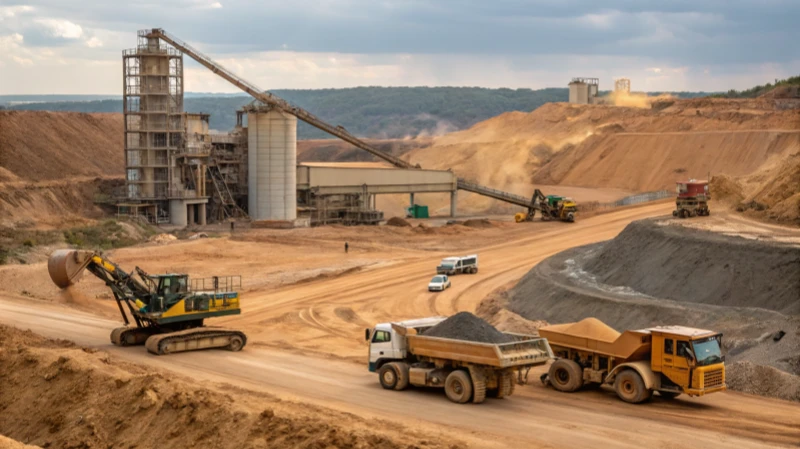
Mining and Quarrying
Mining and quarrying are tough jobs.
In fact, the electrical fatality rate in the mining industry is 8-12 times higher than in other industries. Additionally, three out of four mining injuries are related to electricity. Source: The Risks of Electrical Hazards in Mines
They need strong electrical systems to keep things safe. Good circuit breakers help protect against electrical dangers. These dangers are common when using heavy machines, pumps, and other important tools.
These places often have special electrical problems. There might be flammable gases or a need to work in far-off places without a power grid. The circuit breakers used here must handle extreme temperatures, shaking, and other tough conditions. They need to work well to keep workers safe and keep the business going bigger.
Oil and Gas
The oil and gas industry often works in remote and dangerous places. It depends on circuit breakers to keep its electrical systems safe. From offshore platforms to refineries, these devices help pumps, compressors, and other key parts run safely and reliably.
In this industry, electrical failures can lead to major problems, like environmental disasters or even loss of life. The circuit breakers used here are made to the highest standards. Source: Oil Circuit Breakers.
They have features like explosion-proof cases and advanced fault detection to reduce the risks of working with hydrocarbons. These features are crucial because the work involves handling flammable and explosive materials. Keeping the electrical systems safe is essential to prevent serious accidents and ensure smooth operations.

Agriculture
Modern farms use advanced tools like irrigation systems, automated greenhouses, and precision farming technologies. These tools need a stable and reliable electrical supply. Circuit breakers help prevent power issues and outages, keeping the balance needed for successful crop production and livestock management.
From powering irrigation pumps to controlling temperature and humidity in high-tech greenhouses, circuit breakers are vital. Farmers and related businesses rely on these devices to protect their investments and boost yields, especially in areas with unstable or unreliable grid power.
These devices help the electrical systems work well, which is important for keeping the right conditions for crops and animals. Without good circuit breakers, there’s a higher risk of power failures and equipment damage, which could lead to big losses.

Conclusion
Circuit breakers are the heroes of the electrical world, quietly safeguarding industries of all shapes and sizes.
From the bustling factories to the serene farmlands, these hardworking devices ensure that the flow of electricity remains uninterrupted, protecting lives, property, and the ever-increasing demand for power.
As we continue to push the boundaries of technological innovation, the role of circuit breakers will only become more crucial in maintaining the electrical infrastructure that powers our modern world.
Whether you are supplying equipment for a skyscraper, a mining operation, or a renewable energy project, having a reliable manufacturing partner is key to success.