
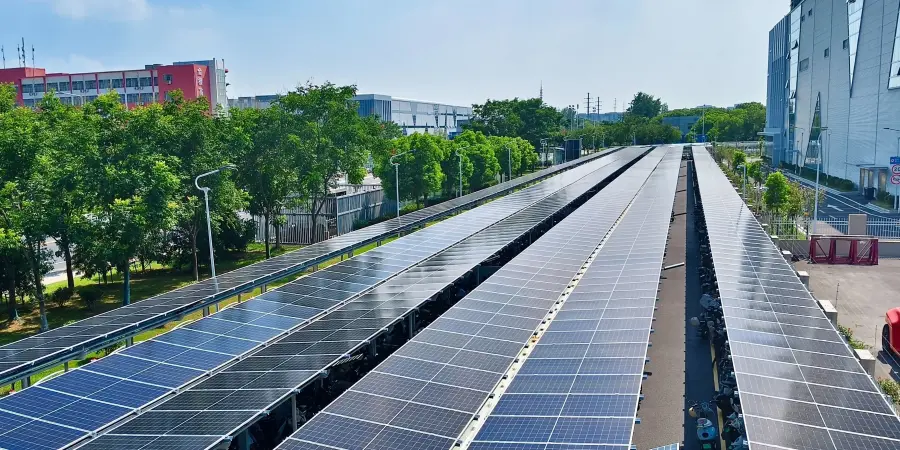
The sun shines every day, quietly providing energy to rooftops and open fields. Turning that sunlight into electricity might seem like magic, but it actually takes a team of parts working together. When we work on DC circuit breaker projects for solar systems, we often notice how even small details—like current flow or component placement—can affect how well the whole system performs.
One engineer on our team likes to compare a solar system to a performance. Panels collect sunlight, inverters turn it into usable power, batteries store extra energy, and circuit breakers and wiring keep everything safe. None of these parts work alone, but together they make the system run smoothly and reliably.
Looking closer, the little things matter most. How the direct current flows, how breakers respond, and how wiring holds up over time all affect long-term performance. Understanding these parts makes it easier to see how sunlight becomes real, usable electricity.
Solar Panels
In most solar power systems, solar panels are the most visible component. When installers or system integrators discuss a project, panels are usually the first part of the system that comes up.
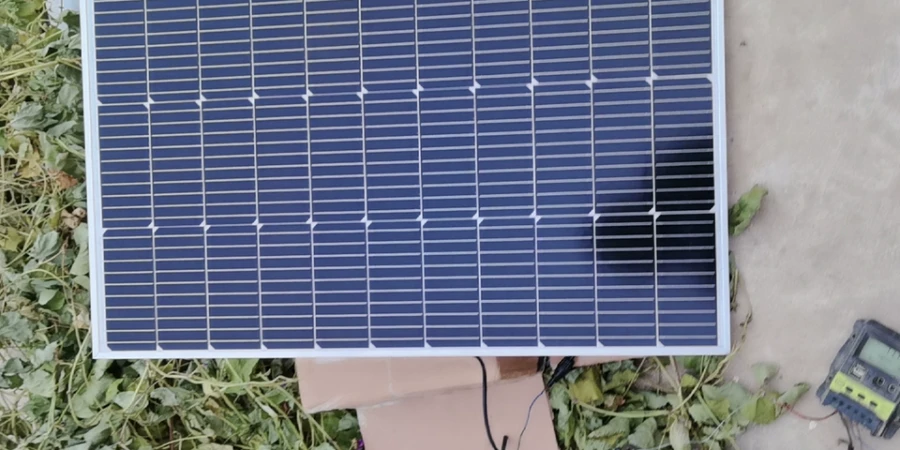
Solar panels, also called PV modules, convert sunlight into electricity using photovoltaic cells made from silicon. When sunlight hits these cells, photons knock electrons loose and create an electrical current. This electricity is produced as direct current (DC), which then flows to other parts of the system, such as the inverter.
Although the basic principle has remained the same for decades, modern solar panels are far more efficient and reliable than early versions. Most panels today are designed to operate for 25–30 years, and even after that time they typically still perform at around 80–90% of their original efficiency.
Because of their durability and their central role in energy generation, solar panels are often considered the core component of any solar power system. (Related Reading: How Do Solar Panels Generate Electricity?)
Inverters
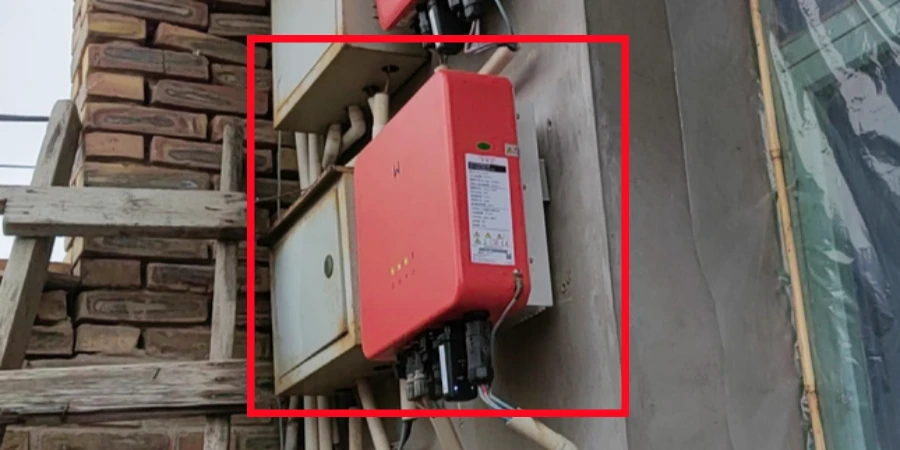
If solar panels are the face of a solar power system, inverters are the engine behind the scenes. Their main job is to convert the direct current (DC) from solar panels into alternating current (AC) that your home can actually use. Without an inverter, the electricity generated by your panels wouldn’t be compatible with your appliances, lights, or outlets. In grid-tied systems, inverters also synchronize the electricity with the utility grid, ensuring a safe connection and preventing any potential issues.
Beyond just converting electricity, inverters play a key role in safety. They can automatically shut down the system during a grid outage, which protects both your home and the utility workers who may be repairing power lines. Many modern inverters also come with monitoring features, allowing homeowners to track solar production in real time via an app. This makes it easy to see how much energy your system is generating, spot any issues early, and even adjust usage habits to get the most out of your solar setup.
In short, the inverter is a critical component that quietly keeps your solar system running smoothly. While it may not be as visible as the panels on your roof, it’s what ensures all that sunlight is turned into usable electricity for your home.
Mounting and Racking Structures
While panels and inverters get most of the attention, mounting structures are what literally hold the system together. They also make up a significant, though often overlooked, portion of the cost.
Mounts can be roof-mounted or ground-mounted, depending on space, roof condition, and local regulations. Ground-mounted systems typically cost more, because they require posts, footings, and additional labor. Roof mounts are simpler and cheaper, but the roof must be in good condition; installing panels on a roof nearing the end of its life adds extra costs later.
The tilt and orientation of panels also affect energy production. In the northern hemisphere, south-facing panels tilted roughly to the site’s latitude capture the most sunlight. East- and west-facing panels produce less overall but can help spread generation throughout the day. Adjustable tilt mounts exist but add cost and complexity, so most residential systems use a fixed angle optimized for the location.
Mounting systems must withstand wind, snow, and thermal expansion over decades. Quality racks are usually made from aluminum or galvanized steel and are rated for specific wind and snow loads. In coastal or high-wind areas, choosing the right hardware is especially important. A qualified installer should always review the roof’s load-bearing capacity, particularly on older homes, to avoid structural risks or warranty issues.
Charge Controllers
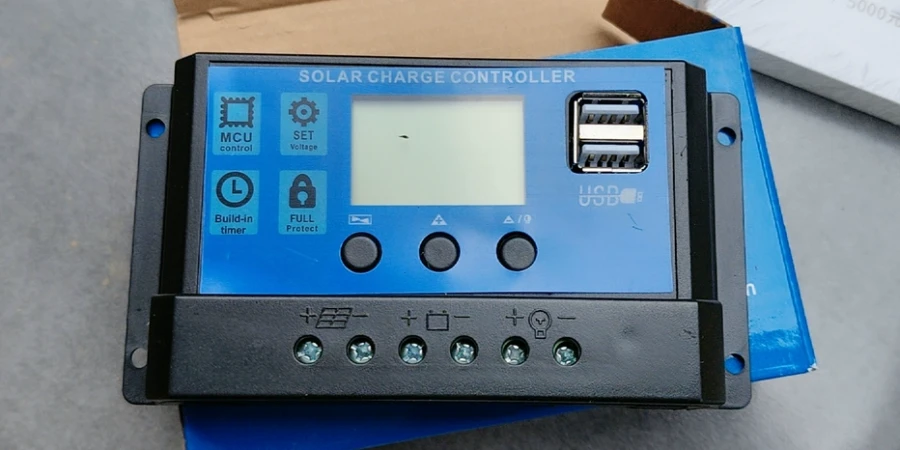
Charge controllers may not get the same attention as solar panels or inverters, but they play a critical role in battery-based or off-grid solar systems. Their job is to regulate the voltage and current coming from the panels into the battery bank, preventing overcharging, heat buildup, and premature battery damage. Without a charge controller, batteries could fail much sooner than expected, costing both time and money.
Even though they are mostly “behind the scenes,” charge controllers help the system operate efficiently and safely. They act like a gatekeeper for your battery bank — letting electricity in when needed and limiting it when the batteries are full. This not only extends battery life but also ensures the system delivers consistent performance over time.
For homeowners or installers working with hybrid or off-grid setups, choosing a reliable charge controller is essential. Skipping or undersizing this component can lead to unnecessary battery replacements and interruptions in power supply. Spending a little time to make sure the controller matches the system size and voltage is a small step that protects your investment and keeps the solar system running smoothly for years.
Battery Storage
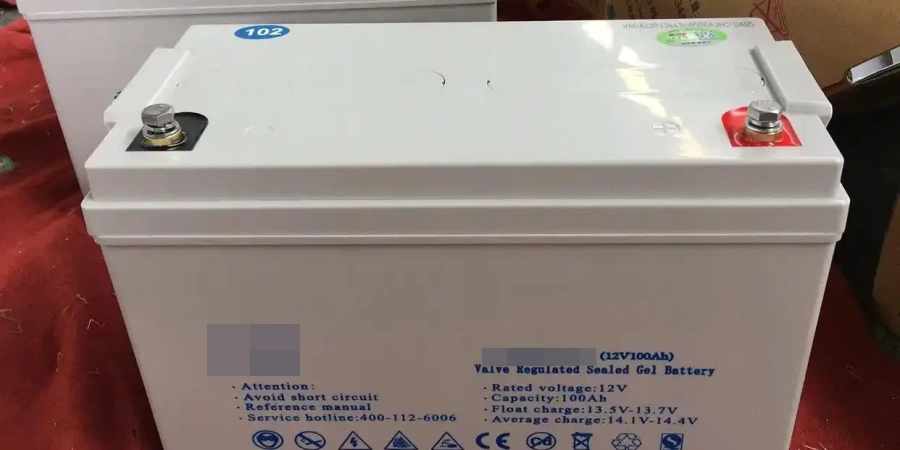
Battery storage is a key component in solar systems that include batteries. While standard grid-tied systems don’t require them, batteries allow you to store energy for use when the sun isn’t shining or during power outages. They are essential for off-grid systems and are increasingly popular in hybrid setups, which combine grid power with battery backup.
Batteries act as a bridge between your solar panels and your energy needs, holding electricity until it’s needed. This allows you to use the power your panels generate during the day even at night, or keep essential appliances running during a power outage. For example, you could keep your lights, refrigerator, or medical equipment powered when the grid is down, giving peace of mind for your family. They also make it easier to manage energy use throughout the day, storing excess solar power to reduce reliance on the grid and increase self-sufficiency.
Even though they operate quietly in the background, batteries are a critical part of creating a reliable and flexible solar power system. They help smooth out fluctuations in energy supply, protect the longevity of other components, and make solar energy more practical for everyday life. Properly integrated battery storage ensures that the system can meet your household’s needs consistently, even during periods of low sunlight or unexpected outages.
Wiring, Cables, and Connectors
Wiring might not be the most glamorous part of a solar system, but it is one of the most critical. Poor wiring can lead to efficiency losses, connection failures, and in rare cases, serious safety hazards. Done right, it quietly ensures that all your panels, inverters, and batteries work together reliably for decades.
A solar system has two main electrical paths. DC wiring carries electricity from the panels to the inverter (and to the batteries if present), while AC wiring carries electricity from the inverter to your home and the grid. Both need to be properly installed and rated for outdoor conditions and system capacity to maintain efficiency and safety.
MC4 connectors, combiner boxes, and surge protection devices are also key components of the wiring setup. Quality connectors ensure panels stay securely linked, combiner boxes consolidate multiple panel strings safely, and surge protection devices safeguard the system from voltage spikes caused by lightning or other events. These “behind-the-scenes” elements may seem minor, but they are essential to keeping your system running smoothly and protecting your investment.
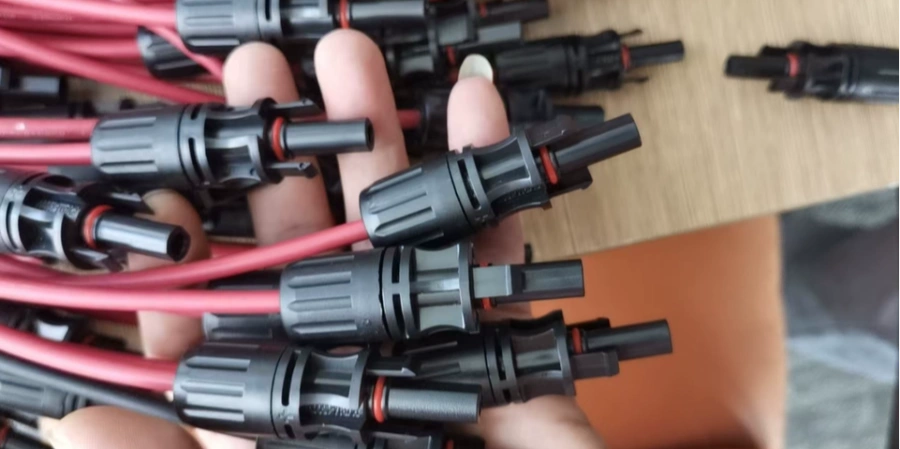
The quality of wiring and connections affects long-term performance. Even small energy losses over decades add up, and poor connections can reduce output or create hazards. That’s why using properly rated wire, reliable connectors, and skilled electricians familiar with solar installations is critical. In short, wiring may be out of sight, but it is the backbone that keeps your solar system working safely and efficiently.
Monitoring Systems and Safety Devices
Monitoring and safety devices are often treated as an afterthought, but they are essential to understanding and protecting your solar system. They let you know if the system is performing correctly and provide the safety measures that keep your investment secure.
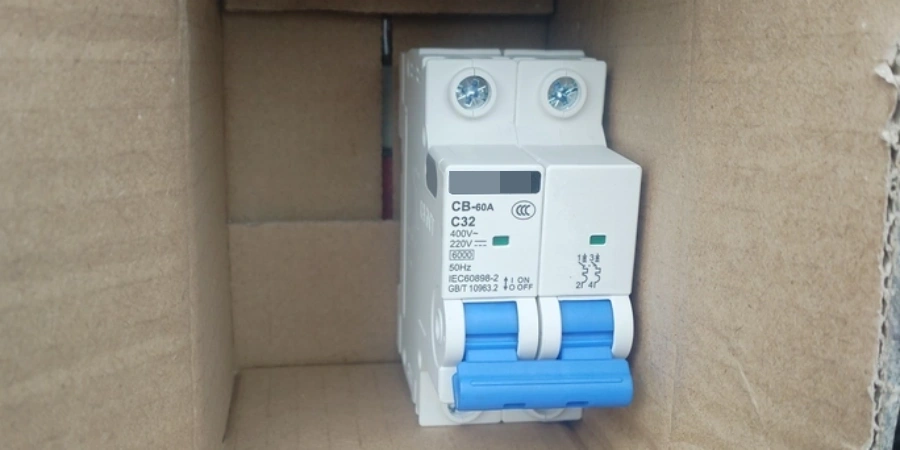
In grid-tied systems, bidirectional meters track electricity flowing both into and out of your home. This allows you to receive credit for excess energy sent to the grid, helping you make the most of your solar production. Safety devices like AC and DC disconnects, fuses, and circuit breakers allow the system to be quickly de-energized during maintenance or emergencies, protecting both people and equipment. Proper grounding of all metal components is also crucial for safety and is required by code.
Modern monitoring systems give homeowners real-time visibility into their solar production, energy use, and battery status. They can alert you to faults, underperforming panels, or other issues before they become serious problems. Some systems even track grid outages, provide remote updates, and integrate with smart home platforms.
Even though these devices often operate quietly in the background, they are the layer that keeps the system running safely, efficiently, and reliably. Without monitoring, you’re largely “flying blind,” and you may never know if your panels or batteries are performing as expected. Investing in proper monitoring and safety features ensures peace of mind and long-term system performance.
Conclusion
A solar power system may seem complex, but understanding the main components helps make sense of how sunlight becomes usable energy. Each part, from panels to batteries, works together to keep a home powered safely and reliably. Appreciating how the system operates gives a clearer picture of the benefits of solar energy.