

Have you ever had your power suddenly cut out when you were using a few appliances at once? Maybe the lights flickered, your TV turned off, or your microwave just stopped mid-cook. It might feel like a random annoyance, but it’s usually your circuit breaker doing its job—cutting the power to stop something worse from happening.
Electricity keeps our homes running, but it also comes with risks if things go wrong. When a breaker trips, it’s trying to protect you—from overheating wires, damaged cords, or even the chance of a fire. Still, it can be confusing when it happens over and over again, especially if you’re not sure why.
Modern homes use more power than ever, and older systems sometimes struggle to keep up. Even in newer houses, small problems can cause big disruptions. Understanding why your breaker trips isn’t just helpful—it’s something every homeowner or renter should know.
Overload
Ever plug in your toaster, rice cooker, and coffee maker—then boom, the power cuts out? That’s probably an overloaded circuit. It’s a common and annoying issue, but the good news is: it’s usually easy to fix.
An overload happens when your devices pull more power than the circuit is built to handle—usually 15 or 20 amps in most homes. When that happens, the breaker trips to stop overheating or a potential fire.

I’ve seen this a lot over the years. If you know what to look for, fixing it is simple.
Why Overloads Happen
In my experience, overloads are especially common in older houses. These homes weren’t designed for today’s tech-heavy style.
For example, I remember once a friend whose power cut out every time when they used their air conditioner and microwave at the same time. The solution? We simply moved those appliances to different circuits.
Overloading happens when all the devices on one circuit use more electricity than the circuit can safely provide. A typical 15-amp circuit can handle up to 1,800 watts (15A × 120V = 1800W). If you plug in a 1500W hair dryer and a 1000W heater, that’s 2500W—too much. The breaker trips to protect your home.
How to Spot an Overload
Here’s how to check:
-
Unplug everything on the affected circuit.
-
Reset the breaker.
-
Plug things back in one at a time.
-
If it trips again when you plug something in, that’s your problem.
Power strips are often to blame. Plugging too many devices into one outlet—even with surge protectors—can overload the whole circuit. I’ve even seen people chain multiple power strips together, which almost guarantees a tripped breaker.
Remember, one circuit powers several outlets. So even if your devices are spread across the room, they may still be sharing the same electrical load.
Fixing and Preventing Overloads
Short-term fix: Move high-power devices to different circuits. For example, plug the microwave into a kitchen outlet and the space heater into the bedroom.
Long-term fix: Install dedicated circuits for heavy-use appliances like ovens, air conditioners, or washers. In newer homes, kitchens and laundry rooms often have their own circuits for this reason.
If your breaker panel is old, it may not handle modern electrical needs. Upgrading it can help. I’ve seen 1950s panels that were completely overwhelmed—it’s like expecting a horse cart to run like a sports car.
According to Metropolitan Electrical, overloading is one of the top causes of tripped breakers. An electrician can tell you if your system needs an upgrade.
Understanding Your Devices’ Power Draw
Knowing your devices’ wattage helps prevent overloads. Here’s a table of common appliances and their typical power usage:
| Appliance | Typical Wattage | Approx. Amps (at 120V) |
|---|---|---|
| Refrigerator | 100-400W | 0.8-3.3A |
| Microwave | 600-1200W | 5-10A |
| Toaster | 800-1500W | 6.7-12.5A |
| Hair Dryer | 1500W | 12.5A |
| Air Conditioner | 500-1400W | 4.2-11.7A |
| Vacuum Cleaner | 1000-1400W | 8.3-11.7A |
Check device labels or manuals for exact wattage, and ensure the total doesn’t exceed your circuit’s capacity. Regular checks and mindful usage can keep your home safe.
Short Circuit
Ever reset a breaker only for it to trip again right away? That’s a red flag—it could be a short circuit, and it’s something you shouldn’t ignore. Short circuits can cause fires if not dealt with quickly.
A short circuit happens when a hot wire touches a neutral wire, creating a sudden surge of electricity. This overload trips the breaker to stop a fire from starting. If you notice scorch marks, a burning smell, or constant tripping, call an electrician right away.
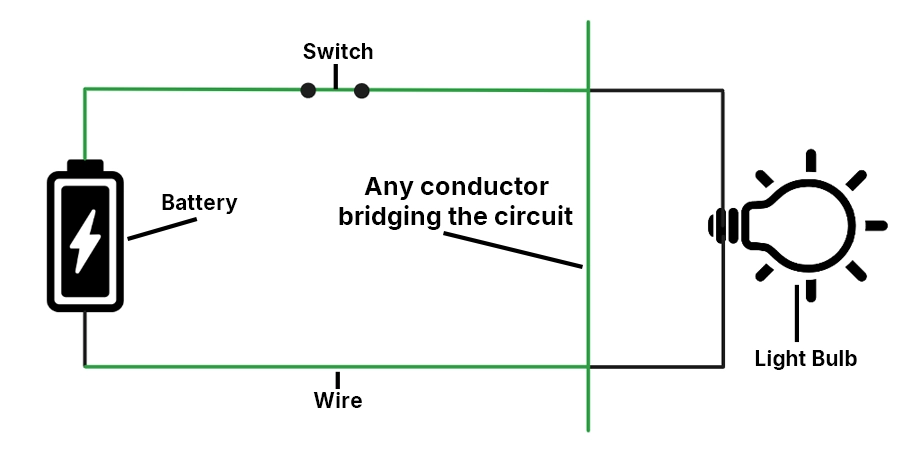
Short circuits can catch homeowners by surprise. let’s look at what causes them, how to spot them, and what to do next.
What Causes a Short Circuit?
A short circuit is basically electricity taking a shortcut. Instead of flowing through your devices like normal, it jumps from a hot wire to a neutral wire or ground. This sends a big surge of current through the circuit, and your breaker trips to stop it.
Some warning signs include:
-
The breaker trips immediately after you reset it
-
Burn marks or melting on outlets or switches
-
A faint burning or electrical smell
Breakers that trip whenever a certain outlet is used often point to hidden wiring problems. In some cases, poor DIY wiring leaves bare wires exposed and touching inside the wall—a serious fire hazard just waiting to happen.
The U.S. Fire Administration reports that electrical malfunctions—like short circuits—cause thousands of house fires every year.
How to Spot a Short Circuit
If you are not sure you’re dealing with a short circuit, Here’s what to check:
-
The breaker trips instantly, even with nothing plugged in
-
You smell something burning
-
You see melted outlets, black marks, or discolored switches**
Rodents chewing through wires can also cause short circuits. When insulation is damaged, exposed wires may touch and create a dangerous surge.
What to Do About It
If you suspect there’s a short circuit, here are what you should do:
-
Turn off the breaker immediately.
-
Don’t touch any wiring or outlets.
-
Call a licensed electrician.
Fixing it by yourself can be dangerous. Electricians could use tools like circuit testers and thermal cameras to safely find hidden faults—no need to tear up walls.
To prevent shorts in the future, you should:
-
Make sure all wiring meets current electrical codes
-
Avoid overloading outlets or using cheap adapters
-
Schedule regular inspections, especially in older homes
Why You Should Act Fast
Short circuits aren’t just annoying—they’re one of the top causes of electrical fires. Ignoring the signs can lead to serious damage.
I remember reading a news report where a house fire began in the living room due to a shorted wire behind the TV. The homeowner didn’t know anything was wrong until it was too late.
When it comes to electrical issues, fast action can prevent disaster. If in doubt, call a pro.
Ground Faults
Does your breaker keep tripping in the bathroom or kitchen? That’s often a ground fault—a serious problem in wet areas where you can get shocked.
If breakers trip a lot in kitchens or bathrooms, or if you sometimes feel a shock from appliances, you might have a ground fault. GFCI breakers are designed to trip fast and protect you from these electrical leaks.
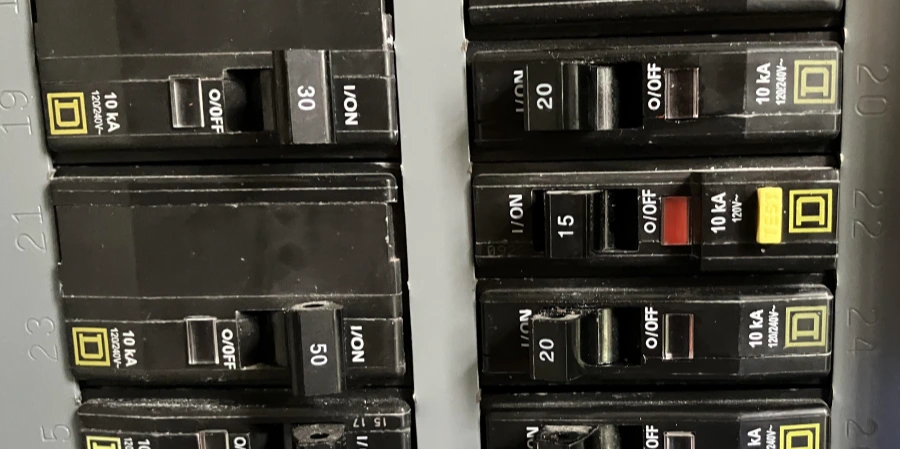
Ground faults can be tricky and dangerous, especially near water. Let’s see what they are and how to stay safe.
What Is a Ground Fault?
A ground fault happens when a hot wire touches something grounded—like a metal box or pipe—creating an accidental path for electricity. This is extra dangerous around water, because water helps electricity travel, increasing your risk of shock.
That’s why places like bathrooms and kitchens have GFCIs (Ground Fault Circuit Interrupters). These devices detect tiny leaks of current and shut off power right away.
Sometimes, a ground fault is caused by a damaged appliance cord touching a metal surface—like a hairdryer’s worn cord touching the edge of a sink—making the GFCI trip repeatedly.
How to Identify a Ground Fault
If your GFCI breaker trips often, or if an appliance gives you a small shock, you likely have a ground fault.
Try pressing the test button on the GFCI. If it doesn’t trip, the GFCI might be faulty.
If the breaker trips again after resetting, there’s probably a wiring or appliance problem.
Many ground faults are caused by water leaking into outdoor outlets during rain. Checking for wetness or damaged cords can help find the problem.
Fixing and Preventing Ground Faults
First, check your appliance cords for damage or exposed wires.
If the breaker still trips, call an electrician to find the issue. They may inspect wiring or replace a bad GFCI.
It’s important all outlets near water have GFCI protection. Modern building codes require this for safety. In older homes, adding GFCIs often solves frequent breaker trips.
Regular checks—like inspecting cords and making sure outdoor outlets stay dry—can stop ground faults before they start.
Why GFCIs Matter
GFCIs guarantee your safety by cutting power when they detect electrical leaks in wet areas.
Ignoring ground faults risks shocks, injuries, or fires. So don’t wait—fix ground faults quickly to keep your home safe.
Faulty Appliance
Does your breaker trip only when you use a certain appliance? That’s a sign the appliance might be faulty—drawing too much power or having an internal short.
If the breaker trips only with one appliance, unplug it and see if the trips stop. Then consider repairing or replacing it. High-power devices like space heaters, air conditioners, hair dryers, or microwaves are common culprits.
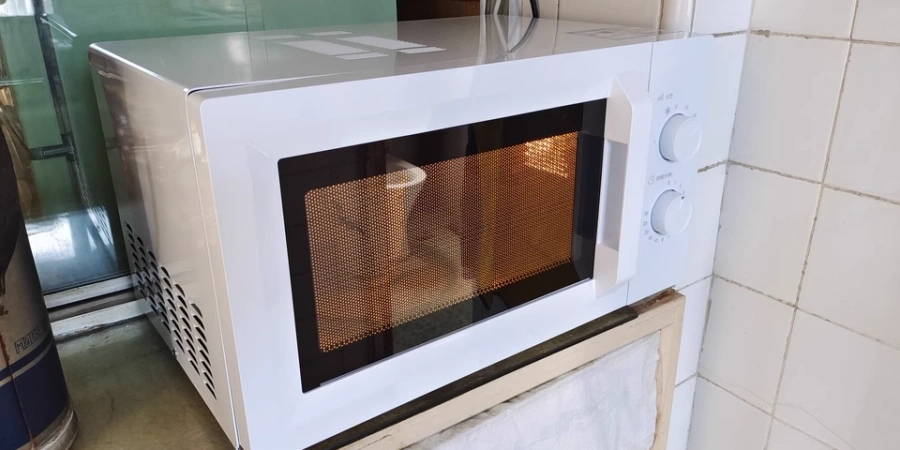
Faulty appliances can cause trips without obvious signs. Here’s how to spot and fix the problem.
How Appliances Cause Trips
Appliances can wear out over time, especially older ones. A broken motor or heating part may draw too much current and trip the breaker. Internal shorts from damaged wires or insulation can also cause trips.
To find the problem, unplug everything on the circuit, then plug devices back in one at a time. If the breaker trips with a specific appliance, that appliance is likely the cause.
Troubleshooting Steps
Check the appliance’s cord and plug for damage. Some appliances, like air conditioners, have their own internal breakers—check the manual to reset them.
If the problem continues, have a technician inspect the appliance. Sometimes a simple repair, like replacing a worn cord, fixes the issue. But with older appliances, replacement may be the better option, especially if they’re inefficient.
Preventive Tips
Regular maintenance—cleaning vents and checking cords—helps prevent faults. Avoid overworking appliances, like running washing machines on heavy cycles all the time.
Unplug appliances when not in use to reduce wear.
When to Replace
If repairs cost too much or the appliance is old, consider replacing it with an energy-efficient model. This can stop trips and lower your energy bills.
Always get a professional’s advice if you’re unsure.
Loose or Damaged Wiring
Does your breaker trip for no clear reason? The cause might be loose or damaged wiring—a hidden issue that can lead to shocks or even fires if left unchecked.
When wires come loose at outlets, switches, or junction boxes—or when insulation wears down—electricity can arc and overheat. This triggers the breaker to stop a potential hazard.
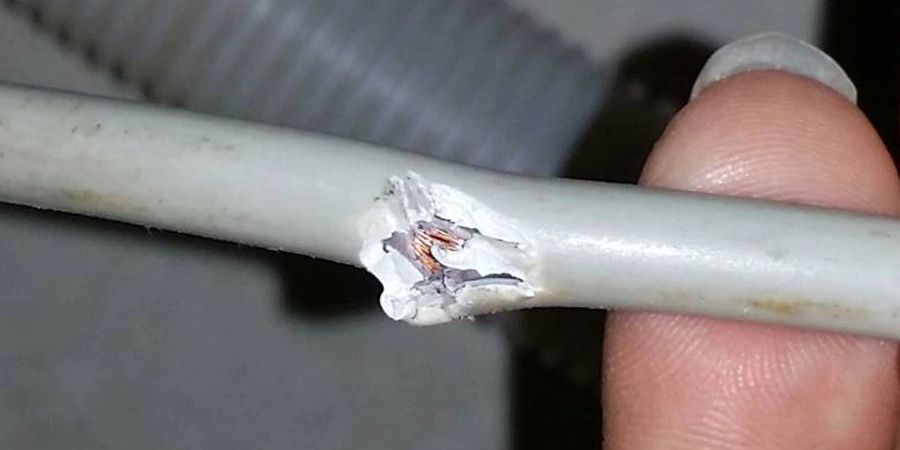
Let’s break down why wiring problems happen and how to handle them safely.
Why Wiring Goes Wrong
Loose or damaged wiring is a common issue, especially in older homes. Over time, vibrations from large appliances or daily heating and cooling can loosen connections. Damaged insulation may result from age, friction, or even rodents chewing wires in attics or walls.
For example, a breaker may trip randomly due to a loose screw in a junction box. This can cause tiny arcs of electricity—enough to trip the breaker and pose a fire risk.
Spotting the Signs
Here are some common warning signs of wiring problems:
-
Flickering lights
-
Buzzing sounds from outlets or switches
-
Warm outlet or switch covers
-
Burning smells or scorch marks
These signs point to loose connections or exposed wires. In some cases, wiring behind appliances can fray due to years of vibration, causing repeated breaker trips. If you smell burning or see black marks, turn off power right away and call an electrician.
How to Fix It
Wiring issues should never be handled without proper training. A licensed electrician has the right tools, such as:
-
Thermal cameras to detect overheating
-
Multimeters to test connections
Regular electrical inspections—especially in homes over 20 years old—can help catch problems early. According to Electrical Safety First, yearly checks are recommended for older wiring systems.
How to Prevent Wiring Issues
Stay ahead of the problem with these simple tips:
-
Make sure outlets and switches feel firm—not loose
-
Don’t overload circuits with too many devices
-
In older homes, consider rewiring high-use areas like kitchens and laundry rooms
Here’s a quick guide to common warning signs and what they mean:
| Sign | Possible Cause | What to Do |
|---|---|---|
| Flickering lights | Loose connections | Call an electrician to check |
| Buzzing outlets | Arcing from loose wires | Turn off power, get it inspected |
| Warm switch plates | Overheating wiring | Reduce load, have it inspected |
| Burning smell | Damaged insulation | Shut off power, call pro immediately |
Staying proactive keeps your home safe—and your breaker from tripping unnecessarily.
Are you living in an older home? You might have shared RCDs—a setup where one device controls multiple circuits. When something goes wrong, it trips everything at once, leaving parts of your home in the dark. It’s frustrating, but it can be fixable.
In older electrical panels, it was common for several circuits to share a single RCD(residual current device). If one circuit has a ground fault, the RCD trips and cuts power to all connected areas. Upgrading to individual RCDs can isolate faults and reduce unnecessary outages.
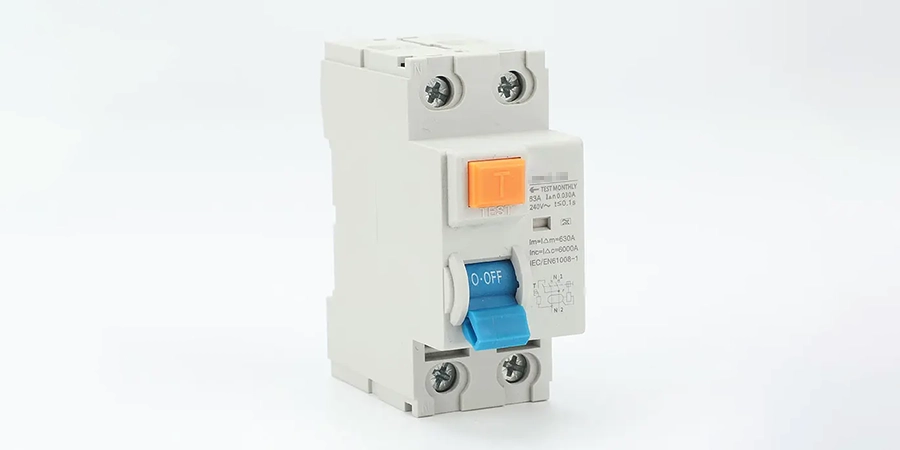
Let’s take a closer look at how shared RCDs work and why upgrading makes your system more reliable.
Before the 2000s, many homes were wired with one RCD protecting multiple circuits. An RCD detects small current leaks (such as from a ground fault) and shuts off power to prevent electric shocks or fires, as explained by Electrical Safety First. But with shared RCDs, a fault in one room can cut power to several others, even if they’re not related.
For example, a ground fault in a bathroom could shut down the kitchen, bedroom, and hallway lighting—because they all share the same RCD.
Shared RCDs can make it hard to track down the real issue. A fault in the garage might make it seem like the kitchen is the problem—simply because they’re on the same device.This setup can also affect your entire home more than necessary. One small fault can bring down multiple rooms.
Upgrading to individual RCDs or RCBOs (Residual Current Breakers with Overcurrent protection) solves this by ensuring only the faulty circuit shuts off, while everything else keeps running.
Upgrading Your Panel
If your breaker trips affect multiple areas, check your panel for a single RCD controlling several circuits. An electrician can confirm this and recommend upgrades. Switching to individual RCDs or RCBOs, as noted in ECA Technical guidelines, ensures only the faulty circuit trips. This upgrade can be costly but saves hassle and improves safety.
If a breaker trip causes power loss in multiple rooms at once, check your panel—there may be a shared RCD in place. A licensed electrician can inspect it and recommend an upgrade.
Switching to individual RCDs or RCBOs helps isolate issues and makes your system safer and easier to troubleshoot. While the upgrade may cost more upfront, it reduces future disruptions and improves protection.
As noted by ECA Technical Guidelines, isolating circuits with RCDs is now considered best practice.
Benefits of Individual RCDs
Here’s a comparison of shared versus individual RCDs:
| Feature | Shared RCDs | Individual RCDs / RCBOs |
|---|---|---|
| Number of Circuits | One RCD protects many circuits | One RCD or RCBO per circuit |
| Fault Isolation | Trips all connected areas | Trips only the faulty circuit |
| Installation Cost | Lower upfront cost | Higher, but more reliable |
| Safety & Accuracy | Harder to diagnose faults | Easier and safer to troubleshoot |
Upgrading is a smart choice—especially in older homes or during renovations. It improves safety, reduces downtime, and makes future electrical work easier.
Environmental Factors
Ever had your breaker trip during a storm or after heavy rain? Moisture and power surges can interfere with your electrical system—and knowing how to protect against them can save you time, money, and stress.
Moisture from rain or snow can cause ground faults in outdoor outlets and fixtures. Power surges from lightning or grid issues can trip breakers or damage electronics.
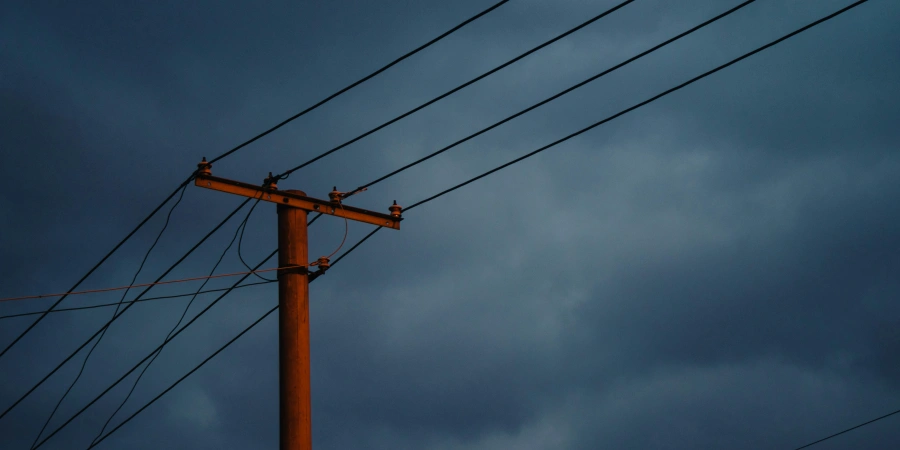
Let’s look at how environmental factors affect your breaker—and how to protect your home.
Moisture and Ground Faults
Water and electricity are a dangerous mix. Rain, melting snow, or high humidity can enter outdoor outlets, light fixtures, or improperly sealed junction boxes. This creates a path for electricity to leak—called a ground fault—which causes the breaker or GFCI to trip for safety.
For example, water can leak into an outdoor outlet through a cracked or missing cover. Replacing it with a weatherproof cover prevents future trips and hazards.
Power Surges from Storms
Lightning strikes or power grid issues can send a surge of electricity through your wiring. These power surges can trip breakers, damage appliances, or even start fires if unprotected.
While basic surge protectors help, a whole-house surge protector installed at the main panel provides much stronger defense. According to the U.S. Fire Administration, surges contribute to electrical damage in thousands of homes each year.
Protective Measures
To guard your electrical system from the elements, use the right equipment and install safety features in key areas. Here’s a quick overview:
| Environmental Factor | Protective Measure |
|---|---|
| Moisture | Weatherproof outlet covers, GFCI outlets |
| Power Surges | Plug-in surge protectors, whole-house arrestors |
Staying Proactive
Check outdoor outlets and light fixtures regularly—especially after storms—for signs of moisture or damage. Make sure covers are intact and sealed. If your breaker keeps tripping, it’s worth having an electrician inspect for hidden water exposure or surge damage.
Protecting your system from nature’s impact keeps your power reliable and your home safer.
Conclusion
Frequent breaker trips are a sign something’s not right. Whether it’s a small fix or a major upgrade, addressing the problem early can improve safety and prevent future issues.
For anything beyond basic troubleshooting, call a licensed electrician to keep your home safe and powered.