
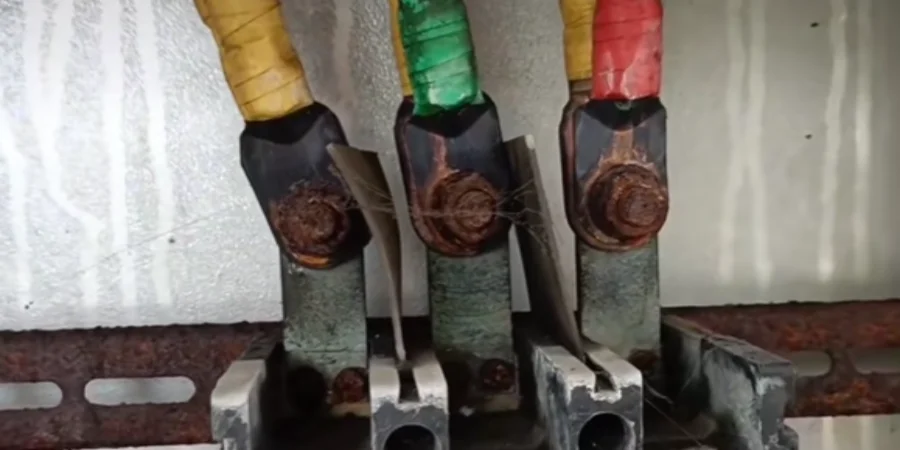
Corrosion is often invisible, but its impact can be costly. Electrical equipment may look fine on the surface, yet tiny chemical reactions and moisture can quietly weaken components, shortening lifespan and causing unexpected failures.
Different operating environments subtly affect equipment over time. Changes in humidity, exposure to chemicals, and everyday operational stresses can quietly accelerate metal wear and electrical failures, often catching businesses by surprise.
Corrosion often starts invisibly, yet its consequences are clear: unexpected failures and shortened equipment life. From coastal substations to chemical processing plants, we’ve observed firsthand how environmental stresses accelerate metal wear. With decades of experience engineering breakers for these conditions, we understand what it takes to keep systems reliable.
Coastal and Marine Environments
Salt spray changes everything when it comes to circuit breaker lifespan. The sodium chloride particles floating in coastal air settle on every surface, including your electrical components. These tiny salt deposits create a conductive layer that speeds up metal deterioration far beyond what you’d see inland. What makes salt-accelerated corrosion particularly damaging is how the chloride ions penetrate the protective oxide layers that naturally form on copper and aluminum.
How Salt Air Attacks Your Breakers?
The process starts small but adds up quickly. Chloride ions are aggressive little things—they punch through the thin protective layers on metal surfaces and trigger pitting corrosion. Think of tiny holes forming in the metal and slowly digging deeper while the surface might still look fine. This is why visual inspections can be misleading in coastal installations.
Research shows that salt air exposure reduces breaker lifespan by 20-25% compared to inland installations. That’s not a small difference—it means a breaker rated for 30 years inland might only give you 22-24 years near the coast. And salt isn’t the only factor—humidity plays just as big a role. When relative humidity climbs above 65%, salt particles begin absorbing moisture from the air and become even more corrosive.
The daily rhythm of coastal weather makes things worse. Temperature swings between day and night cause condensation cycles. In the cooler evening hours, moisture condenses on breaker components, mixing with the salt deposits. During warmer daytime hours, some of that moisture evaporates, leaving behind concentrated salt residue. This process repeats every single day, steadily eating away at your electrical system.
The Galvanic Corrosion Problem
One thing that surprised me early on was how different metals corrode at different rates when they touch each other in salty conditions. This is called galvanic corrosion, and it’s a major concern in marine applications. When copper contacts connect to aluminum components inside a breaker—which is very common—and salt-laden moisture bridges the gap between them, the aluminum essentially corrodes faster to protect the copper.
The corrosion byproducts—metal oxides and hydroxides—don’t just look bad. They build up on electrical joints and connection points, reducing the surface area needed for proper electrical contact. This increases in resistance generates heat, which speeds up corrosion even more. It’s a vicious cycle that can lead to breaker failure faster than you’d expect.
Our Solution: The Defense Lies in the Plating
This is exactly why we don’t cut corners on contact surface treatment. To combat galvanic corrosion, the quality of the barrier material is everything. In Sincede’s manufacturing process, we use high-thickness silver plating on all terminal connections.
Unlike standard thin flash plating that wears off quickly, a robust silver layer provides a critical buffer against the salt-laden moisture, effectively delaying the galvanic reaction between dissimilar metals and maintaining conductivity for years longer than standard commercial breakers.
Industrial and Chemical Processing Facilities
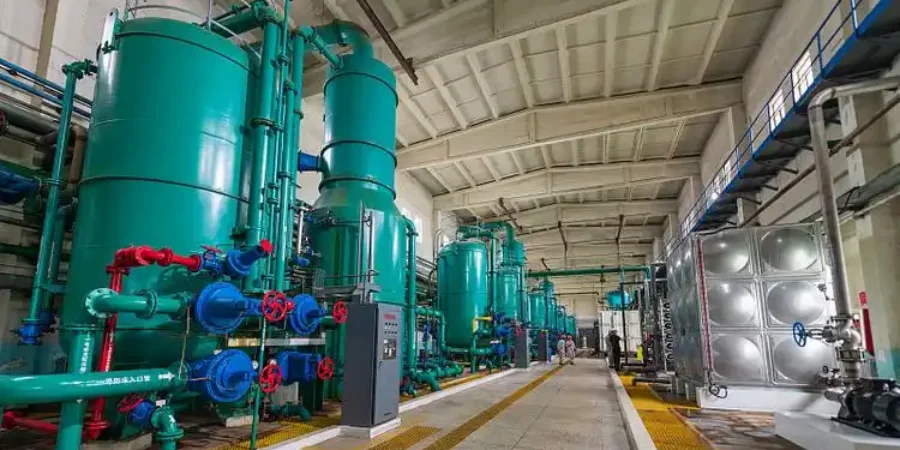
Walk into a petrochemical plant or refinery, and you’re in one of the harshest environments electrical equipment can face. These aren’t just dirty or humid spaces—they’re filled with corrosive gases that attack metal at a molecular level.
The challenge in industrial settings is that you’re dealing with multiple aggressive chemicals at once. Hydrogen sulfide, sulfur dioxide, chlorine gas, and ammonia—each one is bad enough on its own, but industrial facilities often have several of them in the air simultaneously. These gases don’t just simply settle on surfaces. They react chemically with the metals in your breakers, forming compounds that weaken structural integrity and increase electrical resistance.
The Hydrogen Sulfide Threat
Hydrogen sulfide needs special attention because it’s so destructive. In refineries and chemical plants that process sulfur compounds, H₂S levels can exceed what standard electrical equipment is designed to tolerate. The gas reacts directly with copper surfaces to form copper sulfide—a black compound that keeps flaking off and exposing fresh metal underneath. Studies show H₂S corrosion rates reaching 255-382 mg/m²·year depending on seasonal conditions, with winter months often being the most aggressive.
What makes this type of corrosion so dangerous is that it’s continuous. Unlike condensation that comes and goes, H₂S exposure in industrial facilities is often constant during operating hours. The thin layer of copper sulfide that forms initially might seem like it would protect the underlying metal, but it doesn’t—it breaks apart and falls away, leaving the metal surface vulnerable to repeated attack.
Standard circuit breakers are typically rated for hydrogen sulfide levels below 0.01 ppm, sulfur dioxide below 0.05 ppm, and chlorine below 0.01 ppm. Many industrial facilities exceed these limits during normal operations. That’s why specialized breakers with sealed enclosures and protective coatings are essential in these facilities.
Chemical Combinations Make It Worse
Temperature swings add another layer of stress in industrial environments. Many processes generate intense heat, and equipment located nearby experiences constant thermal cycling. Hot operating conditions followed by cooler shutdown periods cause materials to expand and contract, which can crack protective coatings and expose bare metal to corrosive gases.
Stress corrosion cracking is one of the most concerning failure modes because it provides little to no warning. When mechanical stress on components—such as springs or mounting hardware—combines with exposure to corrosive chemicals, microscopic cracks can form and gradually propagate through the material. Components may appear to function normally until a sudden and complete failure occurs.
| Chemical Contaminant | Safe Exposure Limit | Maximum Corrosion Rate | Primary Target Metal |
|---|---|---|---|
| Hydrogen Sulfide (H₂S) | Below 0.01 ppm | 255–382 mg/m²·year | Copper, brass |
| Sulfur Dioxide (SO₂) | Below 0.05 ppm | Forms sulfurous acid | Steel, aluminum |
| Chlorine Gas (Cl₂) | Below 0.01 ppm | Highly aggressive | All ferrous metals |
| Ammonia (NH₃) | Below 0.25 ppm | Dissolves copper | Copper alloys |
Why Copper Purity Matters Here
Resistance to chemical attack starts with the metal itself. Impurities in conductive materials can act as catalysts for these corrosion reactions. This is why we insist on using high-purity T2 copper (99.9%) for our internal moving parts and busbars.
Higher purity copper has a tighter grain structure and fewer impurities for sulfide gases to exploit, offering significantly better natural resistance to industrial chemical corrosion compared to the recycled copper or brass alloys often found in budget-tier breakers.

Agricultural Settings
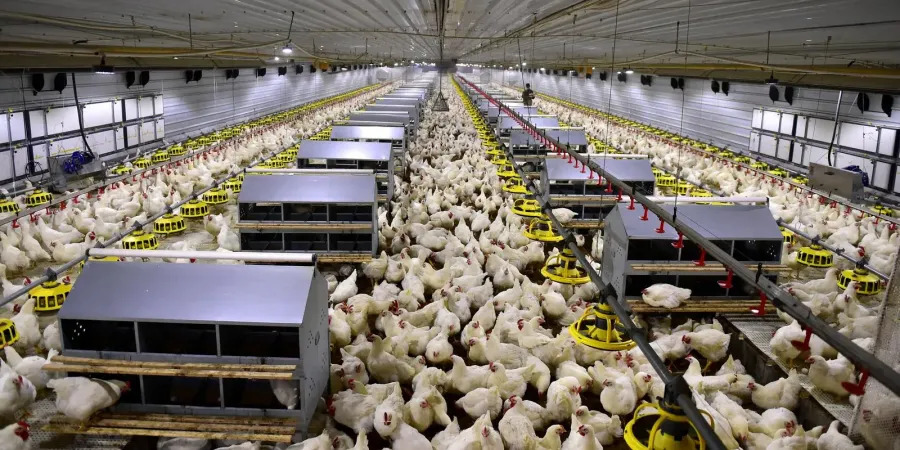
Farms may not seem like especially harsh places for electrical equipment, but I’ve learned otherwise. Agricultural facilities—particularly large poultry operations and cattle farms—create unique corrosion risks that catch many people by surprise. The ammonia levels in these buildings can rival what you’d find in a chemical plant, and commonly used fertilizers create an entirely different set of challenges.
Ammonia gas from livestock manure is the primary culprit. In a confined poultry house with thousands of birds, ammonia concentrations can rise quickly, especially when ventilation is poor. The gas doesn’t just smell bad—it chemically attacks copper and copper alloys in electrical components. Studies from Spanish poultry farms documented severe electrical system degradation within as little as two years, with ammonia exposure identified as the root cause.
How Ammonia Destroys Copper Components?
Copper and its alloys are particularly vulnerable to ammonia. When electrical contacts and breaker components containing copper are exposed to ammonia-rich air, the ammonia reacts with the metal surface to form copper ammine complexes. These are soluble compounds literally dissolve the metallic copper, weakening both electrical connection and mechanical strength.
What makes this process so dangerous is that it often happens inside enclosures where you can’t see it. Ammonia gas seeps into electrical panels through small gaps and ventilation openings and begins attacking internal parts. By the time you notice something—breakers tripping unexpectedly or not tripping when they should—serious corrosion has usually already taken hold
The concentration plays a critical role. Standard breakers are generally designed to handle ammonia levels up to about 0.25 ppm. While specialized, expensive ammonia-certified equipment exists, the practical solution for most agricultural installations lies in material density.
That is why we use DMC (Dough Molding Compound) for our breaker shells. Think of DMC as a much harder, more durable version of plastic. Unlike regular casings that can get soft or weak over time, DMC is built to stand up to heat and chemicals without breaking down. It acts like a solid physical shield, blocking the gas from getting inside and keeping the working parts safe.
The Fertilizer Factor
Fertilizers create a different but equally serious problem. Ammonium nitrate—the most widely used nitrogen fertilizer globally—is particularly aggressive. When moisture contacts ammonium nitrate residue on equipment surfaces, the compound breaks down through hydrolysis to produce nitric acid. This acid is strong enough to strip away the protective oxide layers that normally slow corrosion.
The corrosion rates assosciated with fertilizers are eye-opening. Research from materials protection specialists shows that mild steel exposed to ammonium nitrate solutions experiences corrosion rates reaching 1,250 micrometers per year—that’s over a millimeter of metal loss annually. UAN (urea ammonium nitrate) fertilizer solutions are even worse, generating corrosion rates of 60-70 mils per year. At those rates, you can literally see metal components getting thinner over time.
Electrical installations located near fertilizer storage or mixing areas face compounded risks. Dust and spray from fertilizer handling settle on enclosures and components, lying dormant until humidity or rain activates their corrosive effects. Even equipment housed indoors isn’t immune, as airborne fertilizer dust can still work its way into electrical panels.
Wastewater Treatment Plants
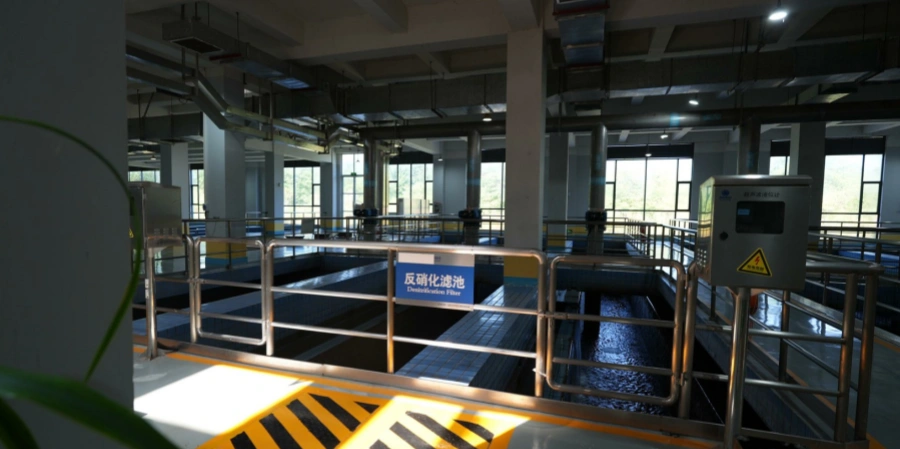
If I had to name the single most corrosive environment for circuit breakers, wastewater treatment plants would be high on the list. These facilities combine nearly every corrosion driver we’ve discussed—high humidity, aggressive chemicals, biological activity, and often coastal salt exposure. I’ve walked through treatment plants where the metallic equipment looked like it aged decades in just a few years.
Wastewater treatment creates a chemical soup that electrical equipment was never meant to handle. Common treatment chemicals include ferric chloride for coagulation, chlorine for disinfection, various acids and alkalis for pH adjustment, and a range of specialty chemicals depending on the treatment process. Each one is corrosive on its own, but in combination, they create an exceptionally aggressive environment.
Multiple Corrosion Mechanisms Working Together
The nonstrop presence of moisture in treatment plants accelerates everything. Unlike an industrial facility where corrosive gases might be the main concern, wastewater plants keep everything damp around the clock. Biological activity in the treatment tanks produces additional corrosive byproducts, including organic acids and sulfur compounds. This combination drives electrochemical corrosion at rates far higher than dry chemical exposure alone.
Filiform corrosion is particularly common in these environments—it begins when moisture sneaks through tiny defects in protective coatings, then spreads underneath the surface in thin, thread-like patterns. From the outside, everything may look intact—until the coating suddenly blisters or peels away, revealing widespread damage underneath. This makes visual inspections unreliable, since the most severe corrosion often remains hidden.
Facilities near the coast face even greater challenges. Saltwater intrusion and salt spray add another layer of exposure. Research on wastewater infrastructure corrosion shows that atmospheric corrosion from rain, snow, UV radiation, and salt spray causes more material loss—by both weight and cost—than any other single corrosion mechanism. Inside the plant, treatment chemicals attack from one side, while outdoor salt exposure attacks from the other.
The Economic Reality
The costs are both significant and ongoing. Wastewater treatment plants require continuous maintenance to prevent premature equipment failures that could interrupt critical water services. Standard electrical equipment simply doesn’t last in their environment. Replacement costs for corroded breakers —often housing reliable Air Circuit Breakers (ACB)—and panels can run tens of thousands of dollars for larger installations, not counting the labor for emergency repairs or the consequences of service interruptions.
In wastewater treatment plants, keeping electrical equipment safe requires extra protection. Special coatings and tough, corrosion-resistant enclosures help guard against chemicals and constant moisture. Equipment also needs more frequent checks than in typical industrial settings—quick visual inspections, thermal scans to spot hot spots, and yearly full testing. It might seem like a lot of work, but these steps are essential to prevent failures that could disrupt critical systems.
High-Humidity Indoor Environments
Indoor humidity problems might not seem as dramatic as chemical plants or coastal salt spray, but they’re probably the most common corrosion cause I see in everyday installations. Basements, mechanical rooms, enclosed electrical closets—these spaces create perfect conditions for condensation and the electrochemical reactions that follow. The tricky part is that the damage develops slowly and often goes unnoticed until you have a failure.
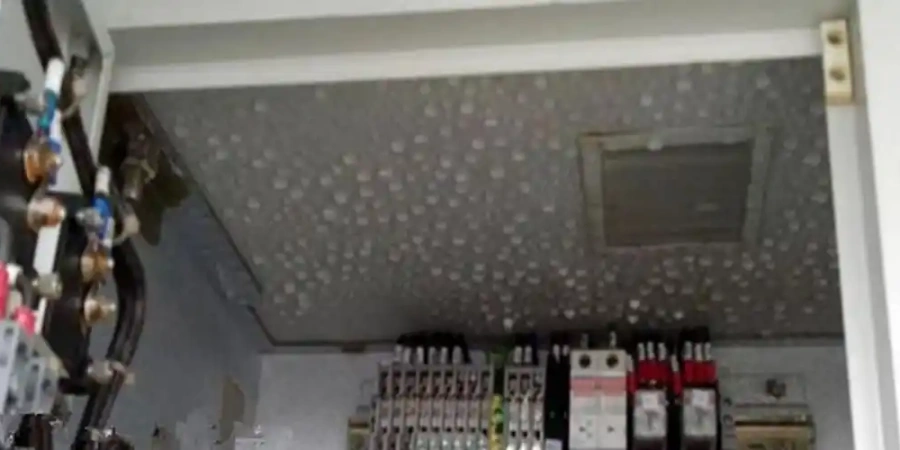
The core issue is that corrosion requires moisture to enable the electrochemical reactions that oxidize metal. When indoor relative humidity exceeds 65%, you hit a critical threshold where condensation readily forms on cooler metal surfaces. That thin layer of water acts as an electrolyte, enabling electron transfer between the metal and its surroundings—and that’s when corrosion really accelerates.
Understanding the Condensation Cycle
Temperature cycling makes indoor humidity particularly damaging. Think about a basement electrical panel in a region with significant day-night temperature swings. During warmer daytime hours, the panel might be dry. As evening temperatures drop, the cooler metal surfaces reach the dew point, and moisture condenses on breaker components and bus bars. When morning comes and temperatures rise again, some of that moisture evaporates. But the damage is done—the corrosion process has progressed another step.
This cyclical pattern is actually worse than constant humidity in many ways. Each condensation-evaporation cycle provides a fresh opportunity for corrosion to advance. The corrosion products that form—metal oxides, hydroxides, and salts—accumulate on electrical joints and breaker contacts. These deposits increase electrical resistance, which generates excess heat during operation, which accelerates further corrosion. It’s a feedback loop that compounds over time.
Intermittent-duty installations face additional risks. Solar-powered systems that only operate during daylight hours, or equipment in temperature-controlled rooms with significant temperature swings, create ideal conditions for repeated condensation cycles. The equipment cools when not operating, moisture condenses, then when it powers back up and warms, the moisture evaporates but leaves corrosion behind.
Practical Humidity Control
Controlling indoor humidity is the most effective way to slow corrosion in high-humidity environments. Keeping relative humidity below 60% generally prevents condensation, which is the key driver of electrochemical corrosion, and maintaining it under 50% provides an even safer margin, especially in naturally humid or coastal areas.
Practical measures such as proper ventilation, anti-condensation heaters, and thoughtful panel placement can help reduce moisture exposure. While the specifics vary, the key takeaway is that maintaining lower indoor humidity significantly slows corrosion progression and extends the life of electrical equipment.
Conclusion
You can’t always control the environment—whether it’s salt spray, chemical fumes, or humidity—but you can control the equipment you choose.
If you are looking for reliable protection that balances performance with a fair price, we are here to help. Contact us today, and let’s make sure your next project is built to last.