
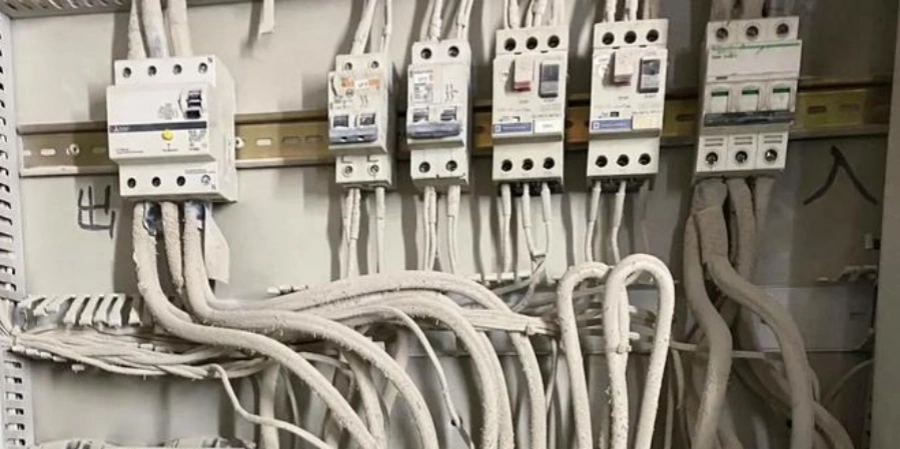
In our previous blog (How Dust Affect Circuit Breakers’ Performance?), we explored how dust affects breaker performance, causing unwanted trips or unstable power. Dust doesn’t just settle on surfaces—it works its way into the breakers inside your electrical panel, increasing resistance, trapping heat, and stressing key components.
Here in this post, we focus on how your panel reveals early warning signs when its breakers are being affected. Small changes—heat, smells, noise, or dust buildup—can indicate that a breaker is struggling long before it fails.
Understanding these early clues is not just maintenance—it’s electrical safety. From a factory’s perspective, we know exactly what these signs mean for your system’s longevity.
Burning Smell or Electrical Odors from the Panel
If you notice a burning plastic smell or a sharp electrical odor near your breaker panel, stop immediately. This usually means something inside is overheating, and dust buildup is often the cause.
Dust acts like insulation. When it settles on breakers and wires, it traps heat. As the components get hotter, the insulation can start to melt, producing that burning smell. By the time you notice it, some damage may already have occurred. These kinds of electrical problems contribute to thousands of home fires each year.
Dust doesn’t just block airflow—it makes heat build up faster inside the panel. Breakers, bus bars, and wire connections can overheat more easily, which can make the problem worse over time. In severe cases, dust can bake onto parts, turning a simple cleaning job into a repair or replacement.
Treat any burning smell as an emergency. If it’s safe, turn off the main breaker and call a licensed electrician. Don’t try to investigate on your own. Even a faint or intermittent smell can mean the insulation is already melting. Each heating cycle increases the risk of failure or fire.
Frequent and Unexplained Tripping
If a breaker trips occasionally because you’re using too many appliances at once, that’s normal. But if it trips three or more times a month without a clear reason, dust may be interfering with its operation.
Breakers are precise devices. Dust can affect them in two main ways:
-
Electrical issues – Conductive dust can bridge contacts that should stay separate, causing trips. Dust also blocks heat from escaping, making thermal elements trip more easily.
-
Mechanical issues – Dust can jam moving parts inside breakers, like springs or contact arms, making them trip unexpectedly or fail to reset properly.
Frequent trips are always a sign that you should call a licensed electrician. While the cause could be as simple as dust buildup, it could also indicate overloaded circuits or that your electrical system needs upgrading. You should NEVER replace a breaker with a higher-rated one, because that would ignore the warning instead of actually fixing the problem.
Pay attention to any patterns in when the trips occur. Do they happen when certain appliances are running, at specific times of day, or in humid conditions? Dust-related trips tend to get worse gradually as buildup increases and may be more noticeable in damp environments.
Visually Noticeable Dust or Discoloration on Components
Sometimes the warning signs are easy to see. When you open your electrical panel, you might notice layers of dust, a gray film, or discoloration on breakers and terminal blocks. These signs indicate that dust has accumulated and we need to do something.
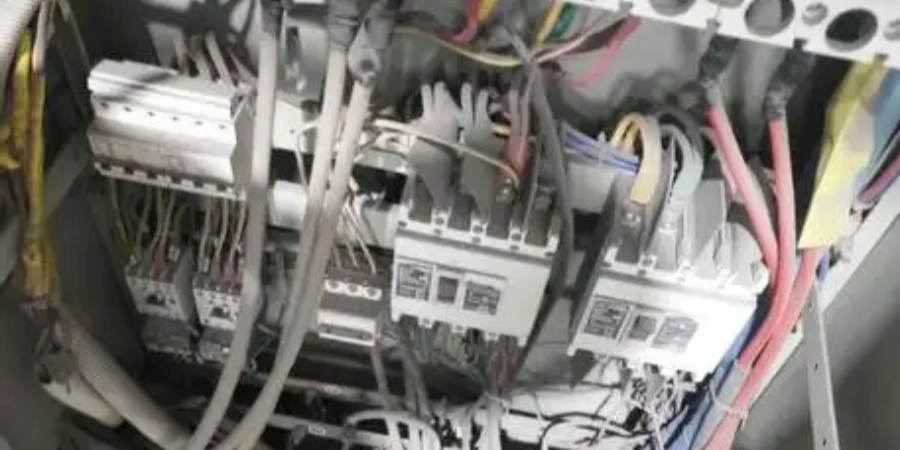
Dust looks differently by environment. In clean offices, it may appear as a light haze, while in industrial settings it can be thick enough to obscure the breaker labels. Fresh dust is usually gray or brown, but dark scorch marks, blackened areas, or baked-on deposits indicate heat exposure or electrical faults. In these cases, the damage may have already begun.
The surrounding environment affects how quickly dust builds up. Facilities with heavy dust or high humidity may need inspections more frequently than clean offices. Regular inspection could help catch issues early, before they become serious problems.
To red the warnings signs:
-
A light dust layer means routine maintenance is needed soon, but it’s not yet critical.
-
Thick dust layers indicate overdue cleaning, as airflow may be blocked and fire risk is increasing.
-
Discoloration, scorch marks, or gray buildup around contacts suggest that electrical faults have already occurred and professional inspection is necessary.
Always prioritize safety. You should NEVER touch live panels unless you are qualified. Often, you can see dust through ventilation slots or on the panel cover. If you open the panel, inspect terminal blocks and bus bars carefully, as dust accumulation at high-resistance points is particularly dangerous.
The goal isn’t to become an expert, but to recognize when dust has reached a level that requires professional attention. If you can see it, it’s already affecting performance.
Excessive Heat from the Breaker Box or Individual Breakers
Your breaker panel should feel at most slightly warm to the touch. If it feels genuinely hot, that’s a warning sign. Dust acts like insulation, trapping heat and creating dangerous conditions.
A little warmth under heavy load can be normal, but if the panel or a breaker feels uncomfortably hot—like a coffee mug that’s too hot to hold—something is definitely wrong. Dust can prevent proper heat dissipation, keeping breakers hot even under normal loads. Over time, this can damage insulation, degrade components, and increase fire risk.
Heat often comes from multiple factors working together. Loose connections create resistance and heat, and dust traps that heat, creating a feedback loop that makes the problem worse. High ambient temperatures or poor ventilation around the panel make things worse, even in relatively clean environments. Humidity also plays a role: dust absorbs moisture, which can increase conductivity and generate more heat.
To check safely, NEVER touch bare metal inside a live panel. You can carefully feel the panel cover or the outside of breaker switches. If anything feels excessively hot, shut off power and call a licensed electrician. Determining the exact cause yourself is risky and could lead to electric shock or fire.
Visible Arcing, Sparking, or Carbon Deposits on Contacts
Black marks, pitting, or carbon buildup on electrical contacts are clear signs that arcing has occurred. Arcing happens when current jumps across surfaces instead of flowing properly, and dust often contributes to this problem.
Arcing leaves obvious footprints: black carbon tracks on insulation, small craters where metal has melted, soot around terminals, and sometimes melted plastic. Every arc deposits conductive carbon, which makes the next arc more likely. Over time, this damage can escalate until a component fails or even starts a fire.
Dust makes arcing worse because it can contain conductive particles like metal or minerals. In humid conditions, dust can form bridges between contacts, creating paths for electricity to jump where it shouldn’t. Dust can also interfere with the breaker’s ability to quench arcs, leaving small currents that sustain damage.
Different types of arc damage tell different stories:
-
Light pitting may indicate occasional arcing and should be monitored.
-
Heavy pitting or erosion shows repeated arcing, and the affected components likely need replacement.
-
Carbon deposits or dark tracking lines indicate significant past arcing, requiring professional inspection.
NEVER try to clean visible arc damage yourself. Removing carbon can also remove contact material or change the geometry of the contacts, making the problem worse. Arcing indicates that your electrical system has been operating in a weakened state, so a thorough inspection by a licensed electrician is necessary. If replacement is required for heavy-duty panels, upgrading to robust Air Circuit Breakers (ACB) is often the safest long-term solution.
Corrosion, Rust, or Oxidation on Metal Components
When you open a panel and see rust-colored corrosion on copper bus bars or green oxidation on aluminum components, you’re looking at another warning sign. Dust doesn’t just sit on surfaces—it absorbs moisture from the air and holds it against the metal, creating ideal conditions for corrosion.
Corrosion is an electrochemical process that needs moisture, oxygen, and often some form of electrolyte. Dust provides all three: it absorbs humidity from the air, and often contains minerals and salts that speed up the reaction. Different metals corrode differently:
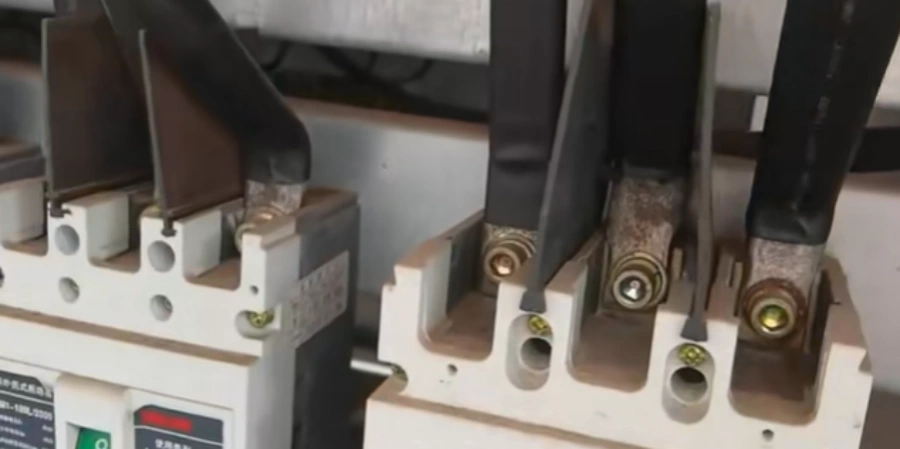
Different metals corrode in different ways:
-
Copper: dark tarnish at first, then blue-green patina.
-
Aluminum: white or gray powdery oxide on lugs or connections.
-
Steel: red-brown rust that flakes and pits the surface.
Even light corrosion can increase resistance at contact points, generating more heat and accelerating further damage. Coastal or industrial environments make this worse due to salt, humidity, or chemical residues.
Regular inspection and cleaning could help remove dust before it traps moisture. Good ventilation reduces the risk of corrosion, and in harsher environments, sealed enclosures or protective coatings can further slow the process.
Minor surface corrosion can sometimes be cleaned, but deep pitting or metal that has weakened must be replaced. Connections affected by corrosion may no longer make reliable contact, so cleaning alone is not enough to restore safe operation.
Flickering Lights or Intermittent Power Disruptions
When lights flicker or equipment briefly loses power, people often blame the utility company. But if these disruptions affect only certain circuits or areas, dust in breakers or connections may be the culprit.
Momentary flickers or brief dropouts usually indicate unstable electrical contact. Dust trapped between contacts can interrupt the current path. While incandescent lights may barely notice, modern electronics can reset, malfunction, or give false readings.
Dust acts like a partial insulator. Under normal conditions, contact pressure may push it aside, but vibration, thermal expansion, or mechanical shifts can break the connection temporarily. Over time, these small interruptions can damage components and deposit carbon, making the problem worse.
You can often tell if dust is causing the problem by looking for patterns:
-
They usually affect specific circuits or areas, not the whole facility.
-
The problem worsens gradually as dust accumulates.
-
High humidity or vibration may make issues more noticeable.
-
Temporary improvements may follow maintenance, but problems return as dust builds up again.
Finding the right solution usually starts with systematic troubleshooting. Electricians may use power quality analyzers or thermal imaging to pinpoint the source, but the fix often involves cleaning and tightening connections. Regular preventive maintenance can greatly reduce intermittent power problems.
Hot or Warm Spots Visible on Wiring or Terminals
Finding localized hot spots on wiring or terminal connections is serious business. Unlike general panel heat, these spots point to specific high-resistance connections where dust, corrosion, or loose hardware are creating dangerous heat buildup that can quickly damage components or lead to fire if left unchecked. Over time, repeated heating cycles can weaken insulation, warp metal parts, and increase the risk of failure.
Terminal connections should stay cool during normal operation. If a specific point feels warm or hot, resistance there is elevated. Dust can make this worse by blocking contact points, absorbing moisture, or promoting corrosion. Even connections that look fine mechanically may run dangerously hot because of these hidden issues. Careful inspection can often reveal subtle signs before serious damage occurs, allowing preventative maintenance to avoid costly repairs.
Electricians often use infrared thermal imaging to detect hot spots before they become visible. Visual clues include discolored insulation, melted plastic, or oxidized terminals—signs that overheating has already occurred and may have affected nearby components as well.
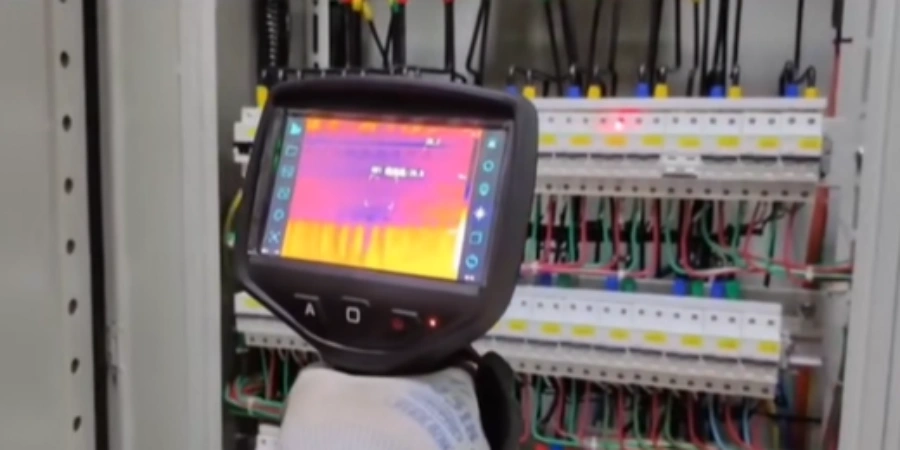
Warm terminals should be dealt with promptly through maintenance, while terminals that feel hot require an immediate shutdown. Any component showing melted insulation or visible heat damage must be de-energized and repaired or replaced by a licensed electrician. Overheating can escalate quickly, creating serious fire hazards and potentially damaging other connected equipment.
Audible Buzzing, Hissing, or Crackling Sounds from the Panel
A properly functioning electrical panel should be silent. Buzzing, hissing, or crackling noises are warning signs that something is wrong—often related to dust, loose connections, or moisture—and should never be ignored.
Different sounds indicate different issues. Buzzing usually comes from loose connections vibrating under AC current. Hissing signals arcing, where electricity jumps across gaps. Crackling or sizzling often points to intermittent or severe arcing, which can be worsened by dust or humidity.
Dust contributes to these noises by reducing contact quality, bridging gaps, or absorbing moisture that makes it conductive. Even slight changes in humidity can turn normally harmless dust into a conductor, allowing electricity to arc where it shouldn’t.
These sounds are more than annoying—they indicate active faults generating heat. Arcing can ignite combustible dust, melt insulation, or create hotspots, making dust-contaminated panels a serious fire hazard.
If you hear unusual electrical noises, contact a licensed electrician right away. If safe, shutting off power can prevent fire while waiting for professional assessment. Electricians will inspect terminal connections, bus bars, and panel components for arcing damage, dust, and moisture, using specialized tools if needed. Early intervention prevents equipment failure, reduces fire risk, and avoids costly emergency repairs.
Poor Appliance Performance or Inconsistent Power Delivery
When appliances heat slowly, cycle unexpectedly, or run inefficiently, people often blame the equipment itself. But dust in breakers or connections can disrupt consistent power delivery, causing these issues.
Dust can build up on the metal contacts inside breakers or terminal connections, increasing resistance and lowering voltage. This can cause intermittent current flow and make high-current appliances—like air conditioners, water heaters, and dryers—struggle to start, heat inefficiently, or reset unexpectedly. Even if appliances work fine under light load, they may fail during peak usage as dust shifts and contact resistance rises.
These issues often develop gradually and intermittently. Signs that dust may be the cause include multiple appliances on the same circuit underperforming, problems correlating with load or humidity, and appliance replacement not solving the issue.
Dust-related power issues often appear gradually, with appliances underperforming or acting erratically. Measuring voltage under load can reveal drops caused by resistance in breakers or terminals. Cleaning and tightening these connections helps restore consistent performance, and regular preventive maintenance—especially for high-power or sensitive equipment—reduces the risk of failures and costly appliance replacements.
Conclusion
Electrical panels teach an important lesson: even small, unseen changes can have big consequences. Noticing them early is more than maintenance—it’s a habit of awareness, caution, and responsibility that extends beyond wiring into daily life.