

When I first started working in the electrical field, I wasted a lot of time on confusing websites and old PDFs. I just wanted to check a wire size or study for a test—but finding clear, up-to-date info wasn’t easy. So I started bookmarking the websites that actually helped.
Over time, I built a list of sites that work—ones with free tools, simple explanations, current news from the industry and so on. If you’re tired of hunting for answers, these are worth saving.
I still use some of them everyday. Others have helped my coworkers pass exams, solve problems on the job, or avoid costly mistakes. Best part? Most of them don’t cost a thing. Let me show you what’s actually useful.
Sincede.com
Tight project deadlines are common—and unreliable suppliers just make things worse. I’ve seen teams lose days because parts didn’t fit or arrived late. That’s why sites like Sincede.com are worth knowing.
Sincede is not just a website; we are a source factory with 26 years of manufacturing experience. We specialize in producing MCB, MCCB, and ACB.
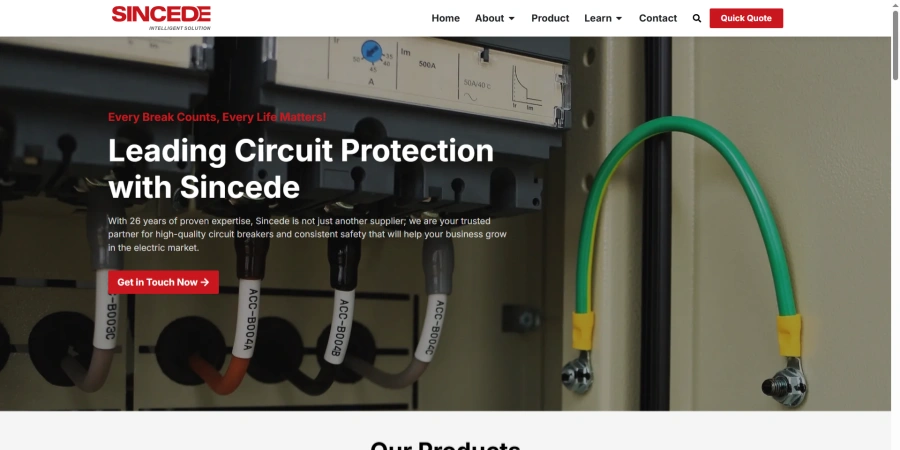
Although Sincede is a new brand in the export market, the factory behind has been a core supplier for major domestic giants for decades.
They go beyond just making products. Their blog features not only technical articles about breakers, but also beginner-friendly guides, material insights, industry trends, and even fun reads. One recent post, for example, asks: “Can You Shower During a Thunderstorm?”
After reading it, I realized I never really understood the risks during a thunderstorm. I used to think staying indoors meant I was completely safe, but the article explained how water pipes and wiring can still carry electric current. It was a wake-up call—and a reminder that there’s always more to learn, even about everyday things.
I love how Erwin writes. It feels like a friend chatting with me. His blog is easy to follow, even if you’re not an expert, and he always adds personal touches that make dry topics fun to read.
In short, Sincede.com is a great resource—not just for buyers, but also for students looking to understand real-world knowledge.
IEEE.org
Finding the right connections can be hard in our field, especially with fast changes in technology. I’ve seen teams miss out on new ideas because they lacked networks. Sites like this change that.
IEEE.org gives access to standards, publications, events, and the Xplore library. It plays a key role in global teamwork and career growth, with over 486,000 members worldwide as of 2025.
IEEE plays a key role in setting industry standards that keep projects safe and reliable—especially important for designers.
It also hosts thousands of conferences each year where you can share your work or learn from experts. A friend of mine used their webinars to stay current on safety updates, which helped their project pass inspection.
Beyond events, IEEE groups act like forums for in-depth discussions. For students, it’s a great place to build skills. On the job, I’ve seen how quick access to IEEE research—like during a substation upgrade—can speed up planning and improve results. Their focus on trends like smart grids also aligns with the projected 9% job growth for engineers through 2033.
Exploring IEEE.org can open doors—even if not free for all, but the free resources like some articles are worth it.
Electrical-Engineering-Portal.com
Power systems face unique challenges, like adding renewable energy. Wrong advice can cause big problems—Many projects fail because of that. Electrical-Engineering-Portal.com helps prevent these mistakes.
This site offers guides on substations, renewables, free downloads like spreadsheets, and video courses.

This site has helpful articles on topics like islanding in distributed energy systems, load flow studies, and causes of blackouts. For substations, it covers important areas like oil containment and switchgear safety.
Speaking of switchgear, the reliability of your main incoming protection is critical. If you are designing heavy-duty distribution boards, check out our Air Circuit Breakers (ACB), which are engineered for high breaking capacity and zero downtime in industrial projects.
It offers free spreadsheets for tasks like cable sizing and voltage drop calculations, which save engineers time. There are also guides on AC/DC circuits and protection. I know a utility engineer who improved transmission line design by using their handbook.
Their video courses, available with premium plans, cover low, medium, and high voltage topics. Plans range from basic to enterprise levels to suit different needs. For power engineers—especially those in utilities—this site is one of the best resources.
Design engineers use it for transformer specs and extending the life of GIS equipment. Its focus on solar and wind energy matches current industry trends.
Premium access gives you even more topics, like wind energy design. If you work in power systems, Electrical-Engineering-Portal.com provides practical and detailed information.
Electrical4U.com
Basics in electrical work can be tricky if not explained clearly. Many beginners struggle with ideas like transformers. Without a solid foundation, mistakes happen. Electrical4U.com helps clear up those basics.
This site offers free, simple explanations of core concepts like transformers and motors. It also has over 5,000 multiple-choice questions for practice. It’s useful for both students and professionals who want to strengthen their knowledge in electrical and electronics engineering.

From my view, sites like this fill important gaps. It explains voltage, current, and power generation in easy terms. For motors, it covers different types and their uses. And more than 8,000 people have signed up for updates, showing how many find it helpful.
The quizzes it offers cover topics from analog communications to power electronics, with hints that make learning easier. The questions are great for exam prep, such as job certifications.
If you’re wondering about top learning sites for students, this one fits well — it explains things like diodes and filters in plain language. Some Engineers use it for refreshers on Biot Savart Law or wave equations.
While no major updates are planned for 2025, the content stays relevant. It matches steady job demand in the field. Electrical4U.com is user-friendly, with search options to quickly find topics. It answers common questions and offers free learning paths.
In my opinion, it’s one of the best free resources to build a solid knowledge base in electrical engineering.
ElectricalTechnology.org
Basics like wiring often cause delays—and I’ve seen teams redo entire sections because they followed the wrong guide. Confusing instructions just add to the stress. This site helps sort things out.
ElectricalTechnology.org offers free tutorials on electrical wiring, power systems, control, automation, machines, motors, transformers, resistors, and circuit analysis. It explains real-world tasks with step-by-step guides, Q&As, and practical examples—great for both learning and daily work.
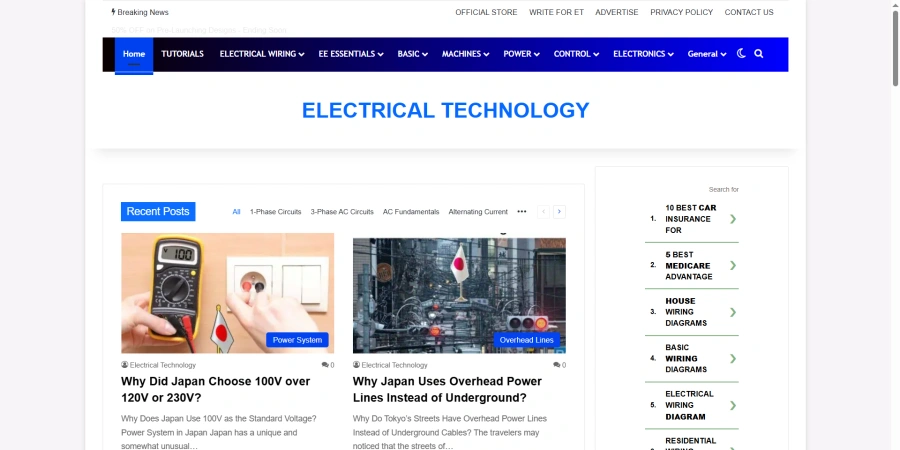
This site solve real problems fast. It covers a wide range of topics like power factor correction, alternators, batteries, wiring, and logic gates for automation.
The tutorials are step-by-step, include images, and are free to access—no paywalls. They explain tricky concepts like the difference between switches and breakers, or how Boolean logic fits into control systems.
Whether you’re a student, apprentice, or experienced engineer, ElectricalTechnology.org is a solid go-to for fast, practical help. The content stays current, speaks plain English, and supports day-to-day work—no textbook needed.
EngineeringToolBox.com
Design errors often start with simple miscalculations. Many projects delayed due to manual mistakes or bad data. EngineeringToolBox.com helps avoid that.
This free site offers calculators, tables, and references for topics like wire gauges (AWG), thermal conductivity, unit conversions, electrical formulas, and more. It’s especially useful for engineers working on system design, materials selection, and quick spec checks.
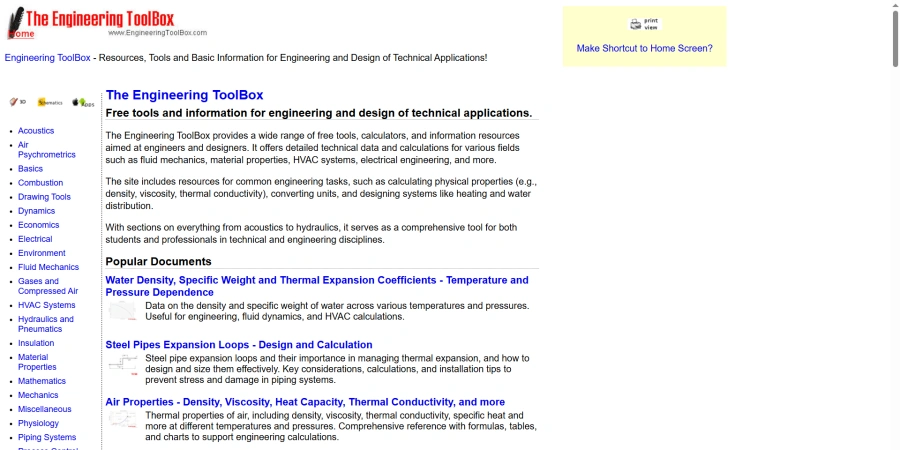
Over the years, this site has helped countless engineers speed up work. For example, the AWG chart includes wire diameter, resistance, and ampacity—key for choosing cables. Thermal conductivity tables help with heat management when selecting materials.
The site isn’t just for electrical work—it also supports HVAC, fluid systems, and structural tasks.
However, accurate calculations are only half the battle. You need reliable hardware to handle that load.
If you’re looking for a solid reference site, this one delivers. It’s great for fast checks in the field, like adjusting for cable expansion in heat or confirming beam size for an install. One team I knew used it alongside project drawings to avoid errors—and it worked.
EngineeringToolBox.com covers a wide range of engineering needs. For electrical pros, it’s one of the most useful, no-frills tools out there.
PowerEngineeringInt.com
In the fast-moving power industry, falling behind on news can hurt projects. Many companies miss opportunities simply because they were relying on outdated info. This site can help you stay ahead.
PowerEngineeringInt.com offers up-to-date news, interviews, and expert insights on power generation, hydrogen, renewables, and energy events. From hydrogen pipelines to solar setbacks, it covers global developments engineers need for planning and innovation.
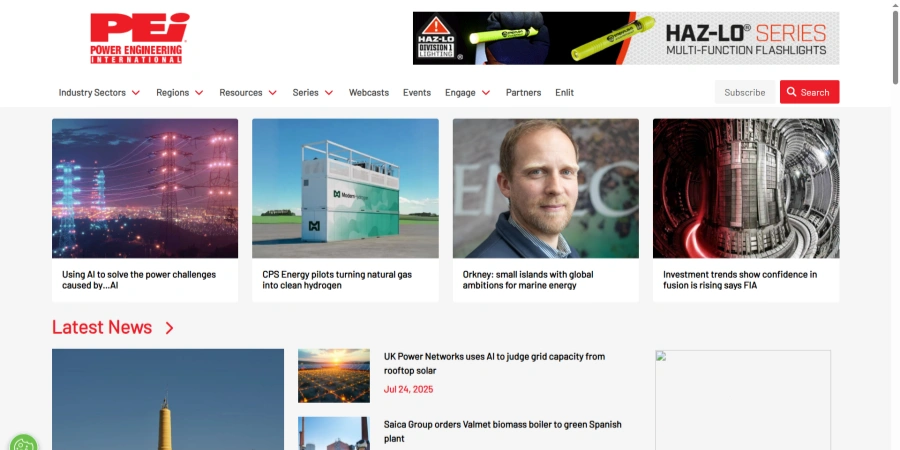
The site shares stories that give you new ideas—not just updates, but insights that help you spot risks early, like delays or supply chain issues. Their weekly newsletter makes it easy to stay updated.
Besides news, you’ll find simple explanations of complex topics—like how wind behaves at night or how Australia is changing its power grid. Their webinars cover important subjects too, such as how Ukraine is keeping its power running or how to store energy for longer. If you’re keeping an eye on new tech, clean energy, or future energy markets, there’s a lot here for you.
PowerEngineeringInt.com is trusted around the world. It covers not only the technology, but also the people, policies, and big ideas shaping the future of energy. From fiber-connected grids to local community energy projects, the site mixes useful facts with long-term thinking.
Whether you work in energy or just want to understand where the industry is going, this site helps you stay prepared.
TestGuy.net
Working without the right guidance during testing can be risky. I’ve seen close calls happen because of poor preparation. Missing certifications can also hold back careers. That’s where TestGuy.net makes a real difference.
TestGuy.net offers free study guides for certifications like ETT, QEMW, and CET. It also includes technical articles, productivity tools, quizzes with 4,000+ questions, and active forums for anyone in electrical testing, safety, or maintenance.
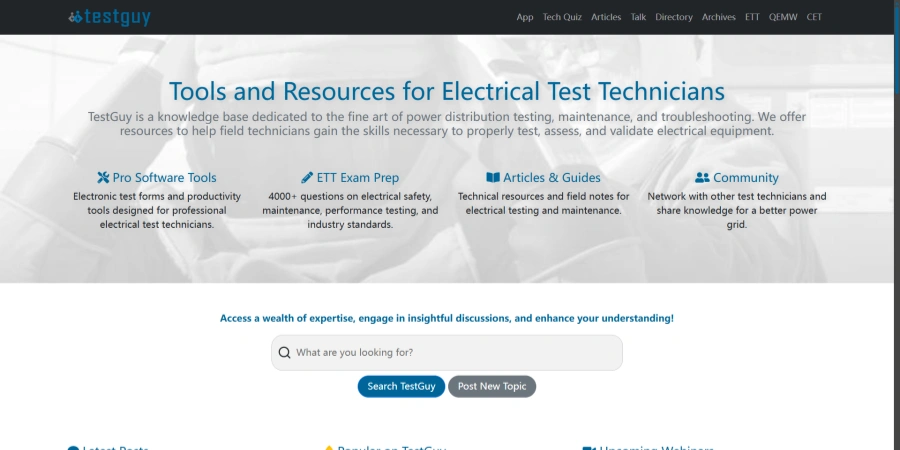
This site has helped thounds of people pass key certifications like:
-
ETT – Electrical Test Technician
-
QEMW – Qualified Electrical Maintenance Worker
-
CET – Critical Environment Technician
Its quizzes cover safety standards and technical questions. Forums are full of helpful discussions about testing methods, exam tips, and day-to-day challenges.
Beyond test prep, TestGuy includes tools for building electronic forms, boosting productivity, and managing reports. Articles cover topics like maintenance strategy, system performance, and test procedures.
If you’re looking for a reliable site to build skills in electrical testing, this is a great place to start. The community is active, and people regularly share insights, fixes, and resources.
Even without specific 2025 updates noted, the site stays relevant. From report templates to test case examples, it’s packed with helpful, practical content for anyone working in the field.
Whether you’re studying for certification or troubleshooting in the field, TestGuy.net offers the tools and support to grow your skills with confidence.
EcMag.com
Contracting trends change fast—and missing updates can mean lost work. EcMag.com helps electrical contractors stay current with news, insights, and tools that support smarter decisions.
EcMag.com hosts Electrical Contractor magazine and covers topics like fiber broadband, energy savings, business operations, webinars, and market research. For example, a June 2025 study on rural fiber demand helps contractors plan future services.
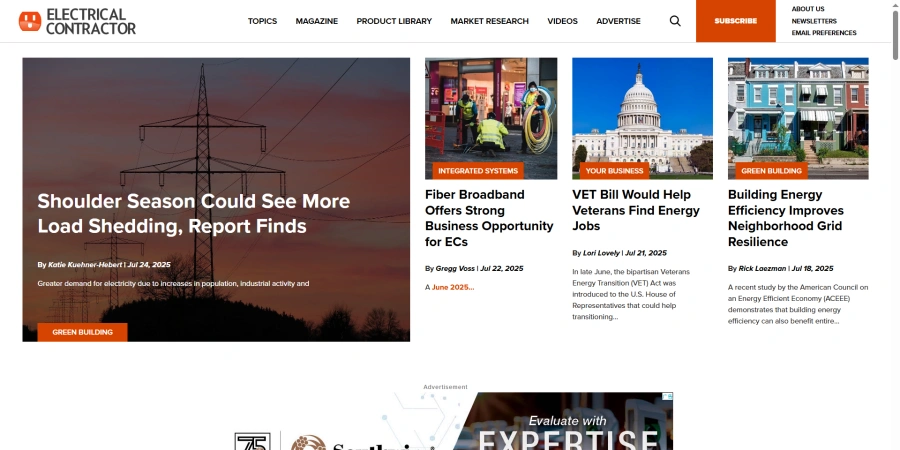
Recent articles explain how electrical contractors can enter the fiber market, and how combining lighting with HVAC controls can improve energy efficiency. There’s also a free toolkit from DesignLights for integrating networked lighting controls with HVAC systems.
The site includes on-demand webinars, sponsored content (such as from Champion Fiberglass), and original research. Contractor profile reports give insights into industry trends and business opportunities.
For contractors, finding a balance between quality and budget is the ultimate opportunity. We support electrical contractors with cost-effective MCB Solutions directly from our factory, ensuring you stay competitive in local bids.
If you’re in the electrical contracting field, EcMag.com is a valuable source. A July 15 article, for instance, explored strategies for energy use in commercial buildings—one example of how the site supports real-world efficiency goals.
The platform is easy to navigate, regularly updated, and useful for everyone from project managers to field engineers. It’s a reliable way to stay informed and ahead in a competitive industry.
EEPowerSchool.com
Power engineering topics can be hard to follow without clear resources, and scattered information can slow learning and project work. EEPowerSchool.com brings everything together in one place.
The site offers articles, tutorials, simulations, and courses focused on electrical power engineering. Topics include generator control, wind energy, smart grids, and renewables. It’s built for students, professionals, and anyone interested in the field—with options to ask questions and contribute content.

EEPowerSchool.com focuses on power systems and control topics. It explains concepts like isochronous vs. droop modes in generators, which are key to understanding grid stability. Articles on sensors and transducers help make control system basics clearer for both students and professionals.
The site supports user interaction, letting visitors ask questions or share ideas. It’s managed by experienced contributors, including Muhammad Umair, an electrical engineering graduate who writes across a wide range of subjects.
Tutorials cover topics like wind power components, marine energy types, and more. Interactive simulations help users test ideas without real-world setups. Most resources are free, with some paid courses for advanced learning.
With its focus on power engineering and hands-on learning, the site is useful for both beginners and working engineers. A linked sitemap makes it easy to navigate, and topics like energy conversion and smart grids are covered in practical detail.
Whether you’re studying or working in the field, EEPowerSchool.com is a solid tool for building real-world knowledge.